Skip to content
Winter brings serious challenges for road safety and pedestrian access. Snow and ice increase accident risks, raise maintenance costs, and strain municipal budgets. Choosing the right deicing material is not just a technical decision—it is a financial and safety decision.
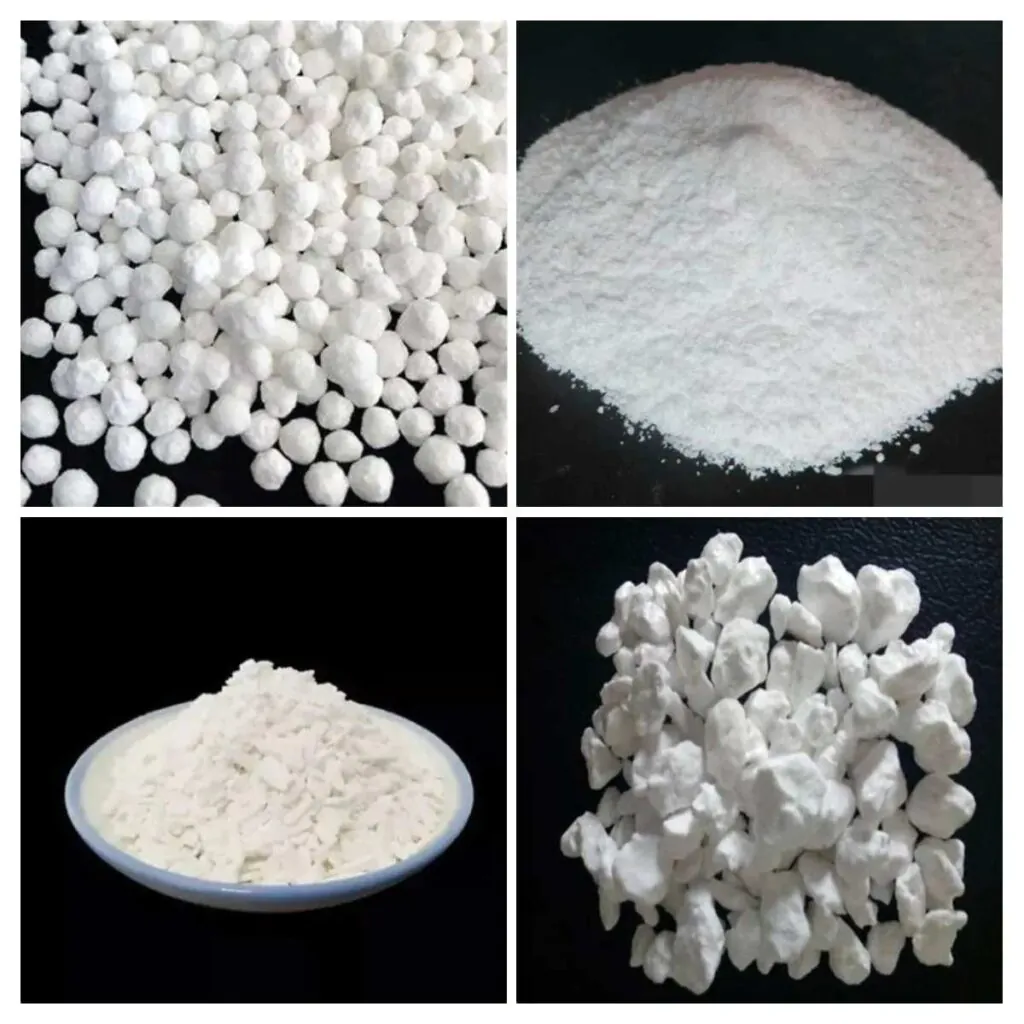
Among the most common options, calcium chloride (CaCl₂) and rock salt (sodium chloride, NaCl) are widely used. This article compares their performance, cost, durability, and long-term value to help municipalities and businesses make a smarter winter maintenance choice.
Why Deicing Material Choice Matters
Effective snow and ice control directly affects:
- Road and sidewalk safety
- Labor and equipment costs
- Infrastructure lifespan
- Environmental compliance
Traditional rock salt has been used for decades, but calcium chloride is increasingly adopted due to its superior performance in extreme winter conditions.
Effectiveness at Low Temperatures
Rock Salt (Sodium Chloride)
Rock salt works best at moderate winter temperatures. Its melting ability drops sharply as temperatures fall.
- Effective temperature: above 15°F (-9°C)
- Slow reaction in extreme cold
- Often requires repeated application
Calcium Chloride
Calcium chloride remains active in much colder environments due to its exothermic reaction and moisture-attracting properties.
- Effective temperature: down to -25°F (-32°C)
- Starts melting ice immediately
- Prevents refreezing more effectively
Key Insight: In cold climates, calcium chloride provides faster and more reliable ice control.
Application Rates and Longevity
Application Efficiency
Calcium chloride requires significantly less material to achieve the same or better results.
- Rock Salt: 300–400 lbs per lane mile
- Calcium Chloride: 75–100 lbs per lane mile
Lower usage means less storage, transport, and labor.
Longevity of Performance
Calcium chloride stays active longer on road surfaces. This reduces:
- Reapplication frequency
- Equipment operation time
- Fuel consumption
Key Insight: Fewer applications lead to lower operational costs across the winter season.
Total Cost Impact: Looking Beyond Price Per Ton
Initial Material Cost
- Rock salt is cheaper per ton
- Calcium chloride has a higher unit price
However, material price alone does not reflect real winter maintenance costs.
Total Cost of Ownership
Calcium chloride often delivers better overall value due to:
- Reduced labor and fuel costs
- Lower equipment wear
- Extended pavement and bridge lifespan
- Fewer emergency reapplications
Municipal data shows that switching to calcium chloride can reduce total winter maintenance costs by 15–30% in cold regions.
Impact on Roads, Vehicles, and Infrastructure
Corrosion Considerations
Both products are corrosive, but sodium chloride causes more long-term damage due to higher application volumes and longer surface contact time.
Calcium chloride:
- Requires lower dosage
- Melts ice faster
- Reduces freeze-thaw damage
Maintenance Benefits
Using calcium chloride helps reduce:
- Pothole formation
- Concrete spalling
- Vehicle corrosion
Key Insight: Infrastructure protection translates directly into long-term cost savings.

Environmental Impact Comparison
Rock Salt Risks
- Soil and water salinity buildup
- Damage to roadside vegetation
- Increased runoff contamination
Calcium Chloride Advantages
- Lower application rates
- Reduced environmental load
- Less severe impact on soil and water when used properly
Key Insight: Calcium chloride offers a more controlled and manageable environmental profile.
Real-World Results: Municipal and Commercial Use
Municipal Case Example
A northern U.S. city reported:
- 20% reduction in winter maintenance costs
- Fewer accident-related claims
- Improved road conditions during extreme cold
Commercial Applications
Shopping centers and logistics facilities using calcium chloride report:
- Improved pedestrian safety
- Reduced slip-and-fall liability
- Fewer emergency treatments
Which Deicing Solution Is Right for You?
Calcium chloride is especially suitable for:
- Cold and extreme winter regions
- High-traffic roads and sidewalks
- Municipalities focused on long-term savings
- Commercial sites prioritizing safety and liability reduction
Conclusion
While rock salt remains a low-cost option for mild winters, calcium chloride delivers superior performance, efficiency, and long-term value in demanding winter conditions.
By reducing application rates, improving safety, and protecting infrastructure, calcium chloride proves to be a smarter investment for municipalities and businesses aiming to optimize winter maintenance budgets.
If you are evaluating deicing materials for the upcoming winter season, calcium chloride is a solution worth serious consideration.