Skip to content
During winter months, icy roads and sidewalks present serious safety challenges for cities, businesses, and communities. Slips, falls, and traffic accidents increase sharply when temperatures drop below freezing.
Recent studies and municipal case data show that calcium chloride plays a critical role in improving winter road and sidewalk safety, outperforming traditional de-icing salts in both effectiveness and reliability.
Faster and More Effective Ice Melting
Calcium chloride is widely recognized for its superior ice-melting performance. Unlike sodium chloride, it attracts moisture from the air and generates heat through an exothermic reaction, allowing it to melt ice rapidly even at extremely low temperatures.
Key Performance Advantages
- Immediate ice-melting action after application
- Effective at temperatures as low as -25°F (-32°C)
- Maintains performance during sudden overnight temperature drops
This rapid response is especially important during early morning traffic hours, when untreated black ice poses the greatest risk.
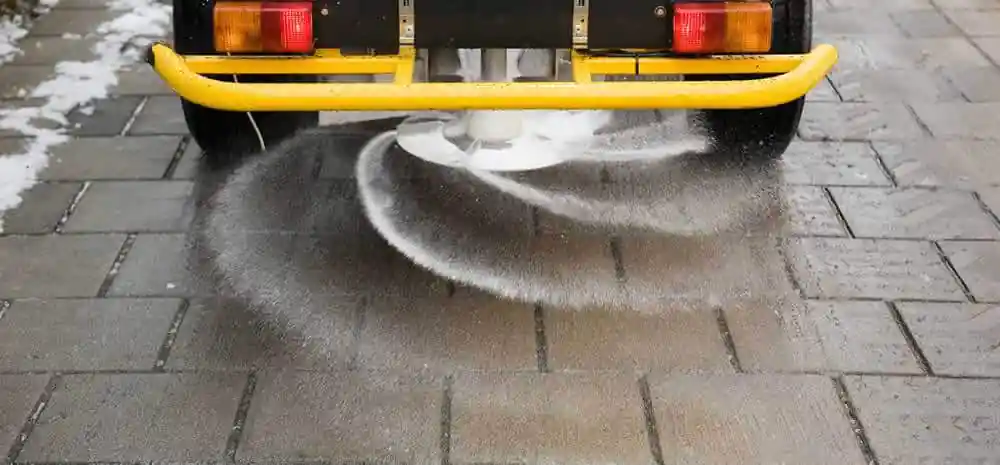
Reduced Accidents and Improved Public Safety
The primary objective of winter maintenance is accident prevention. Data collected from multiple municipalities confirms that roads treated with calcium chloride experience significantly fewer safety incidents.
Case Study: Minneapolis, Minnesota
A comparative winter study conducted by the Minneapolis Department of Public Works evaluated accident rates on roads treated with sodium chloride versus calcium chloride.
Results included:
- 33% reduction in vehicle accidents during icy conditions
- 50% fewer slip-and-fall injuries in pedestrian areas
The study concluded that calcium chloride’s rapid ice removal played a key role in improving overall winter safety.
Long-Lasting Performance and Operational Efficiency
Calcium chloride remains active longer than traditional de-icing salts, reducing the need for repeated applications throughout the winter season.
Operational Benefits
- Fewer applications required
- Reduced labor and equipment usage
- Lower total de-icer consumption
In cities such as Chicago, winter maintenance departments reported up to 30% fewer applications per season when using calcium chloride, while maintaining safer road conditions.
Environmental and Infrastructure Considerations
While safety is the priority, environmental and infrastructure impacts are also important.
Calcium chloride is generally less corrosive to concrete and metal surfaces than sodium chloride, helping extend the lifespan of roads, bridges, and sidewalks.
Observed Benefits
- Lower damage to vehicles and infrastructure
- Reduced long-term maintenance costs
- Controlled environmental impact when applied according to guidelines
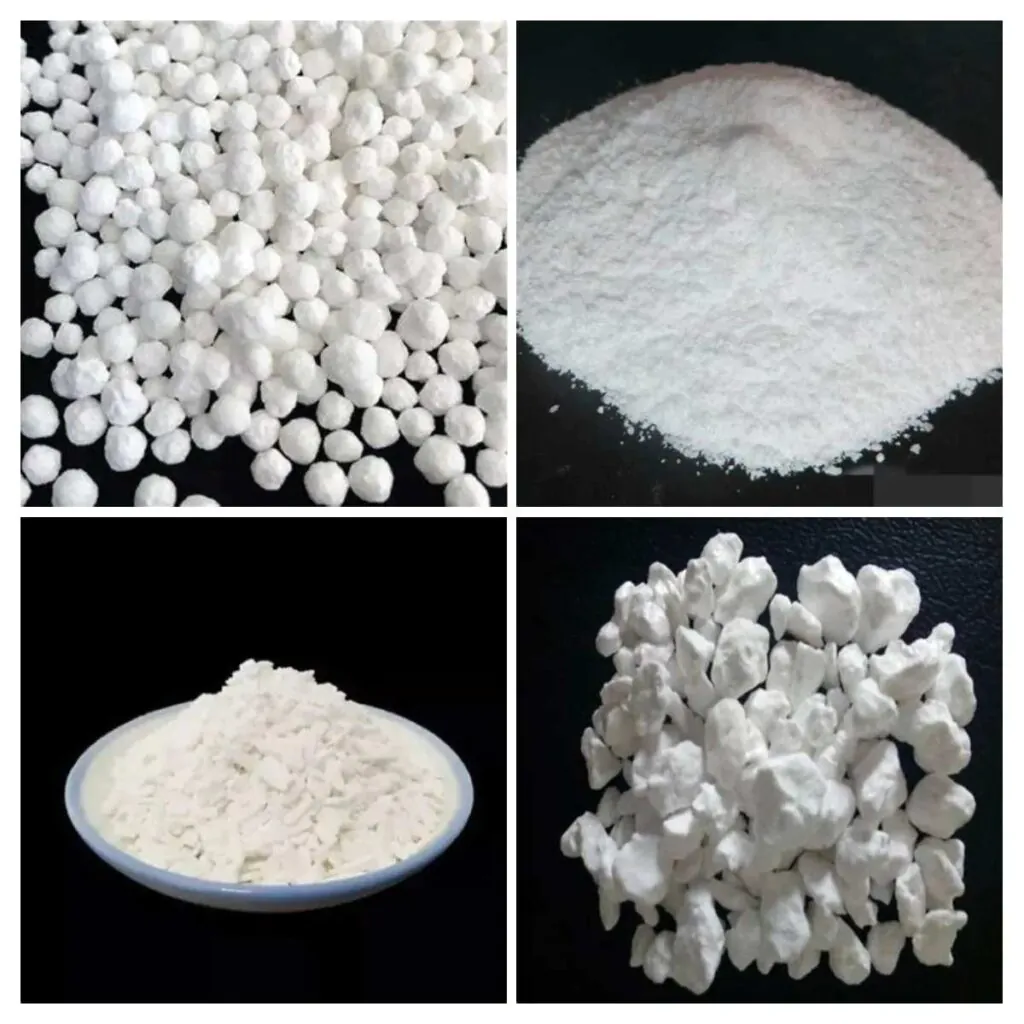
Additional Municipal Case Data
Denver, Colorado
A pilot winter maintenance program using calcium chloride on key routes reported:
- 45% faster ice melting compared to traditional salt
- 25% reduction in winter maintenance costs
Montreal, Quebec
In high-traffic pedestrian zones, Montreal’s public works department observed:
- 60% reduction in slip-and-fall injury claims
- Higher public satisfaction with winter safety measures
Conclusion
Research findings and real-world case studies consistently show that calcium chloride is a highly effective solution for winter road and sidewalk safety. Its ability to melt ice quickly at low temperatures, reduce accidents, and lower maintenance demands makes it a preferred choice for municipalities and infrastructure operators.
When applied correctly, calcium chloride not only enhances public safety but also supports cost control and infrastructure protection. As winter weather patterns become more unpredictable, proven solutions like calcium chloride continue to play a vital role in maintaining safe transportation networks.
For technical specifications or supply information related to calcium chloride for winter maintenance, please contact our team.