 Skip to content
Yes. Calcium hypochlorite is one of the most common and effective chlorine disinfectants used in swimming pools. It is widely applied for daily pool disinfection and chlorine shock treatment. Due to its high available chlorine content and strong oxidation ability, it helps maintain clear, safe, and hygienic pool water.
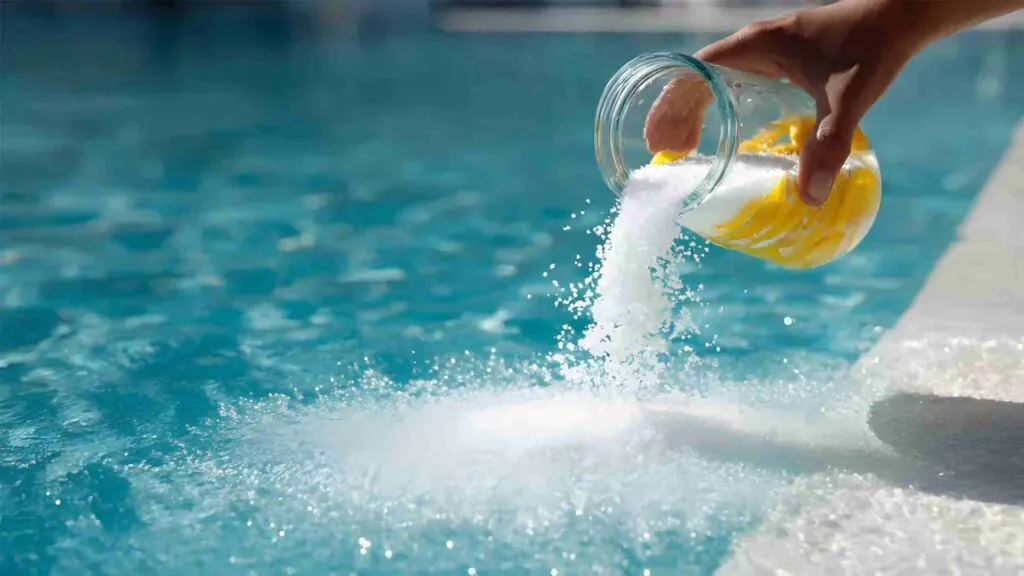
What Is Calcium Hypochlorite?
Calcium hypochlorite is a solid inorganic chlorine compound. When it reacts with water, it releases hypochlorous acid, which is the active disinfecting agent. Hypochlorous acid has strong oxidation properties and can quickly destroy the cell structure of bacteria, algae, and other microorganisms. This reaction is the core reason why calcium hypochlorite is highly effective in swimming pool sanitation.
Pool Disinfection Performance
In swimming pools, calcium hypochlorite works as a fast and reliable disinfectant. It effectively kills bacteria, viruses, and algae, helping prevent waterborne diseases and keeping pool water clear. Compared with some stabilized chlorine products, calcium hypochlorite delivers rapid chlorine release, making it suitable for both routine chlorination and emergency treatment.
Chlorine Shock Treatment Explained
According to U.S. pool water standards, the free chlorine level in swimming pools should normally be maintained between 1 ppm and 3 ppm. However, contaminants such as sweat, cosmetics, rainwater, and organic debris continuously consume free chlorine. Nitrogen-containing pollutants react with chlorine to form chloramines, which cause strong odors, eye irritation, and breathing discomfort.
Chlorine shock treatment solves this problem. By adding a high dose of calcium hypochlorite, free chlorine levels rise quickly and oxidize chloramines. Once the chlorine level naturally drops back to the safe range, the pool can be used again with improved water quality and reduced odor.
Storage and Handling Guidelines
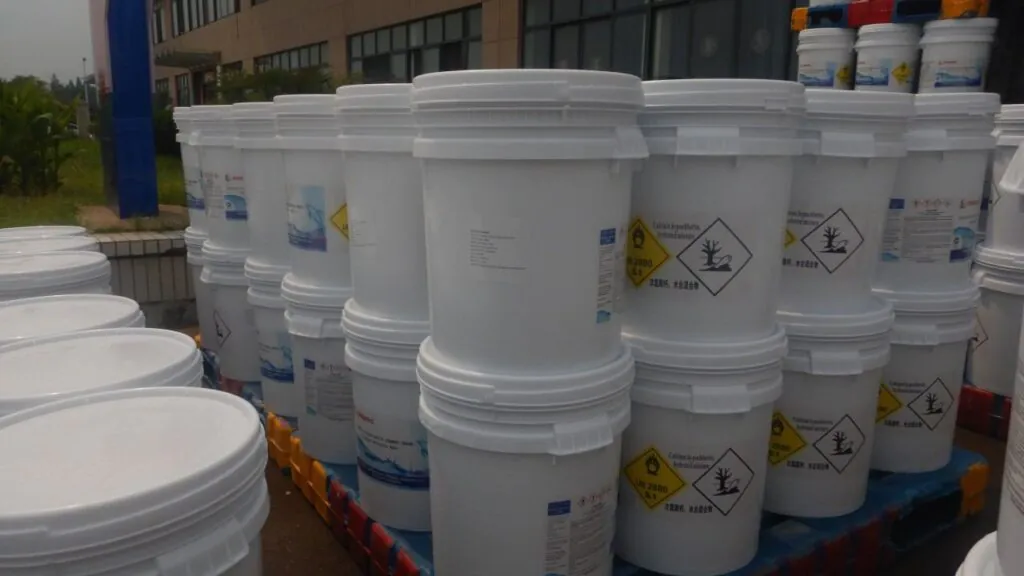
Calcium hypochlorite should be stored in a cool, dry, and well-ventilated area, away from heat sources and incompatible chemicals. Packaging must remain intact, as high temperature or contamination may cause decomposition and reduce available chlorine content. Under proper storage conditions, calcium hypochlorite remains stable and is best used within twelve months of production.
Key Advantages for Pool Use
Calcium hypochlorite is a non-stabilized chlorine source and does not increase cyanuric acid (CYA) levels in pool water. This helps avoid chlorine lock issues and keeps disinfection efficiency stable over long-term operation. It also offers high chlorine concentration, strong oxidation power, and flexible application options for different pool sizes.
Usage Recommendations
For large swimming pools, calcium hypochlorite tablets should be applied using a dedicated calcium hypochlorite feeder. TCCA feeders must not be used, as mixing incompatible equipment may create safety risks.
For smaller pools, calcium hypochlorite granules should first be dissolved in water. After insoluble particles settle, only the clear solution should be evenly poured into the pool to ensure safe and effective chlorination.
Why Choose Us as Your Calcium Hypochlorite Supplier?
Our calcium hypochlorite is manufactured under strict quality control systems to ensure stable chlorine content and consistent performance. With a reliable production base, we offer competitive pricing without sacrificing quality. We have long-term cooperation experience with professional and large-scale clients, proving our supply reliability and technical capability.
In addition, our after-sales team provides continuous technical support, usage guidance, and problem-solving assistance. Flexible payment terms are also available to help customers manage procurement plans more efficiently.
If you are sourcing calcium hypochlorite for swimming pools or water treatment applications, we can support product selection, dosage guidance, and sample testing. Feel free to contact us for detailed information and a tailored solution.


