
Written by the HyChron Technical Team — water treatment specialists with over 15 years of field experience in municipal and industrial systems. Last reviewed: April 2026
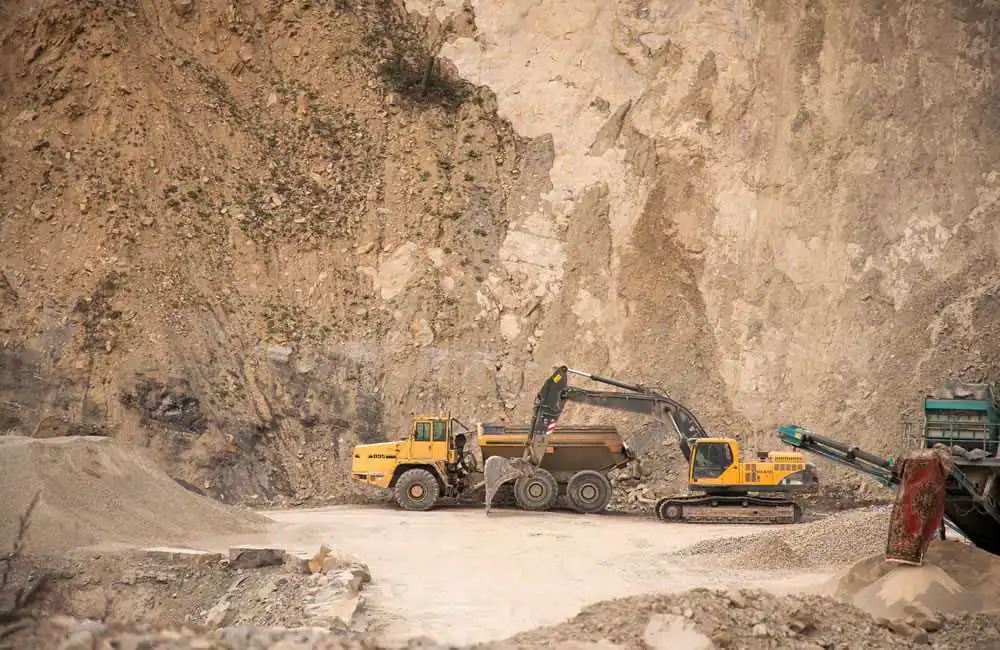
Mining operations present some of the most demanding water treatment challenges in any industry — high solids loading, variable water quality, remote locations, and stringent discharge requirements that affect the facility’s operating license. This case study documents a copper mine’s water treatment upgrade that switched from lime-only settling to PAC-assisted coagulation, transforming a compliance liability into a reliable, cost-managed operation.
The mine processes approximately 2,500 m³/hour of process water from ore washing, tailings pond decant, and site drainage. Treatment objectives: turbidity below 50 NTU for process water recycling and below 10 NTU for site drainage discharge.
What the Operator Was Trying to Solve
Problem 1 — Thickener overflow turbidity above target. The primary thickener overflow — intended for recycling to the ore grinding circuit — was consistently between 180–350 NTU. This was causing wear in pumps and pipelines, reducing grinding circuit efficiency, and forcing the operation to draw more freshwater to compensate for the unusable turbid overflow.
Problem 2 — Tailings pond compliance. The tailings pond discharge (site drainage) was averaging 25–40 NTU — exceeding the discharge permit limit of 10 NTU in the wet season when storm events increased influent solids loading. The mine had received two compliance notices in the preceding 18 months.
Problem 3 — Freshwater consumption above water license limit. The combination of turbid overflow that could not be recycled and a leaking tailings pond perimeter was causing freshwater consumption to approach the mine’s water use license limit. A reduction in freshwater draw was required.
The PAC Solution and Implementation
Diagnosis and Jar Testing
Jar testing was conducted with thickener feed water (slurry diluted to representative concentrations) and with tailings pond influent. Results:
- Lime only at current rate (200 mg/L): thickener overflow 240 NTU, settling rate poor
- PAC at 35 mg/L + anionic PAM at 3.5 mg/L: thickener overflow 18 NTU, settling rate 3× faster
- PAC at 25 mg/L + anionic PAM at 2.0 mg/L: tailings pond effluent 6 NTU (within permit limit)
The combination of PAC and anionic PAM dramatically outperformed lime alone for the fine copper ore and clay mineral particles present in the water.
Product Selected
Powder PAC at 30% Al₂O₃, basicity 74%. Powder form selected due to the remote mine site location — lower transport cost and freight volume than liquid, longer shelf life for infrequent delivery schedule, and suitability for the existing dry reagent dissolution system.
System Configuration
- Thickener feed: PAC dosed at the thickener feed launder, flash mixed with an in-line static mixer, followed by PAM addition 3 meters downstream; 4-minute contact time before thickener feed well
- Tailings pond: PAC dosed at the pond inlet with a simple gravity-feed static mixer; PAM dosed 5 meters downstream; settling time in pond provided adequate flocculation
Lime System Retained
The existing lime system was retained for pH adjustment (maintaining tailings pond pH 7.5–8.5 for metal precipitation) but lime dose was reduced by 60% once PAC took over the coagulation function.
Measured Outcomes at 12 Months
Thickener Overflow Turbidity
- Baseline (lime only): 180–350 NTU
- With PAC + PAM: 12–28 NTU (average 18 NTU)
- Result: Overflow now consistently below the 50 NTU threshold for process water recycling
Freshwater Consumption Reduction
- Thickener overflow previously unusable: 350–500 m³/hour wasted; now recyclable
- Net freshwater draw reduced by approximately 380 m³/hour average
- Annual freshwater saving: approximately 3.3 million m³
- Water license compliance restored with 15% margin
Tailings Pond Discharge Compliance
- Baseline: 25–40 NTU in dry season; 40–80 NTU in wet season
- With PAC + PAM: 5–12 NTU in dry season; 8–22 NTU in wet season
- Compliance: 95% compliance with 10 NTU limit; the remaining 5% exceeded limit during extreme rainfall events (above 100mm/day) — acceptable to regulator under a “exceptional circumstances” provision

Chemical and Operational Cost Analysis
| Cost Component | Lime-Only System | PAC + PAM System | Change |
|---|---|---|---|
| Lime cost/day | $1,840 | $736 (60% reduction) | −$1,104/day |
| PAC cost/day | $0 | $2,100 | +$2,100/day |
| PAM cost/day | $0 | $490 | +$490/day |
| Freshwater cost saving | — | −$2,850/day | −$2,850/day |
| Equipment wear reduction | — | −$380/day (estimated) | −$380/day |
| Net daily cost | $1,840 | −$564/day net saving | +$2,404/day improvement |
Freshwater cost calculated at mine’s water license cost of $0.0075/m³ × 380 m³/hr × 24 hr/day
Key Lessons from This Case Study
Lesson 1: PAC + PAM combination for mining applications consistently outperforms single-chemical approaches. The fine clay and ore mineral particles at this site were too small for effective lime-only settling; PAC charge neutralization followed by PAM bridging was required for effective coagulation.
Lesson 2: Freshwater savings were the dominant economic driver — not chemical cost. The mine’s water license cost made freshwater recovery economically very significant. In water-scarce mining regions, this effect is amplified further.
Lesson 3: Powder PAC was the practical choice for this remote location. The mine site was 340 km from the nearest bulk liquid chemical supplier. Powder PAC in 25 kg bags, delivered by container every 6 weeks, provided adequate supply security with lower transport cost than liquid alternatives.
Lesson 4: Jar testing at mine water temperatures and particle concentrations — rather than generic reference data — was essential. The particle size distribution and mineralogy at this site required a higher PAM dose than typical mining applications; only site-specific testing revealed this.
Frequently Asked Questions
Why was anionic PAM the right choice rather than cationic?
Mining process water particles (clay, fine ore minerals) carry strong negative surface charges even after PAC charge neutralization. Anionic PAM bridges between the residual slightly-negative particles through a different mechanism from cationic PAM — physical bridging rather than additional charge neutralization. For most mineral processing applications, anionic PAM is the standard choice after PAC coagulation.
How does the PAC system perform during the wet season when turbidity spikes from storm events?
PAC dose is increased by 30–40% during the wet season (the mine uses an online turbidity sensor at the pond inlet to trigger dosage adjustment). PAM dose is also increased proportionally. During extreme rainfall events above 100mm/day, influent turbidity exceeds 2,000 NTU — at this loading, the settling pond hydraulic capacity is the limiting factor, not PAC performance.
What is the maintenance requirement for the PAC dissolution and dosing system?
The powder PAC dissolution system requires cleaning of the dissolution tank monthly to remove any accumulated insoluble residue. The dosing pumps are standard peristaltic units serviced at the mine’s normal preventive maintenance schedule. The static mixers in the pipeline require no maintenance. Total annual maintenance time for the PAC system is estimated at less than 40 hours.
Conclusion
This mining case study demonstrates that PAC + PAM coagulation transforms mine water treatment from a persistent compliance liability into a reliable, cost-managed operation that delivers additional operational benefits — in this case, restored process water recycling and significant freshwater savings — that substantially outweigh the chemical cost of the treatment program.
For mining operations facing thickener overflow quality problems, tailings pond discharge compliance, or freshwater consumption challenges, PAC + PAM combination treatment offers a proven solution that can typically be implemented within 4–8 weeks of the decision to proceed.
Contact our technical team today for a free mining water treatment assessment, powder PAC and PAM product samples, and a site-specific dosage recommendation for your ore type and water conditions. We respond within 24 hours.