Skip to content
Written by the HyChron Technical Team — water treatment specialists with over 15 years of field experience in municipal and industrial systems. Last reviewed: April 2026
For operators and decision-makers evaluating PAC for municipal wastewater treatment, real-world performance data is more useful than theoretical comparisons. This case study documents the experience of a medium-scale municipal wastewater treatment plant that switched from alum to PAC for chemically enhanced primary treatment (CEPT) — covering the operational challenges that motivated the switch, the implementation process, and the measured outcomes twelve months after transition.
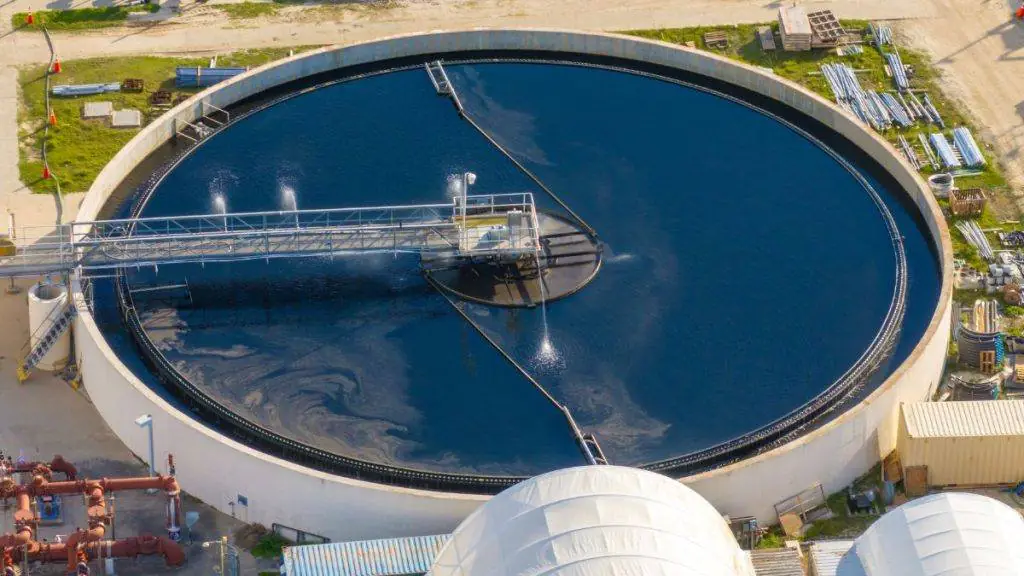
The plant processes 35,000 m³/day of combined municipal sewage and serves a population of approximately 180,000. It operates a two-train treatment system with primary sedimentation, activated sludge secondary treatment, and UV disinfection before discharge to a sensitive receiving water body with strict nutrient discharge limits.
What the Operator Was Trying to Solve
Before switching to PAC, the plant was experiencing three persistent problems:
Problem 1 — Total phosphorus compliance risk. The plant’s discharge permit was tightened to a TP limit of 0.8 mg/L from the previous 1.5 mg/L limit, effective at the start of the year. The plant’s existing biological nutrient removal system achieved TP of 1.0–1.5 mg/L — compliant under the old limit but insufficient for the new one. The operator needed chemical phosphorus polishing without a major capital investment.
Problem 2 — Seasonal TSS performance. During winter months (water temperature 4–8°C), primary clarifier TSS removal dropped from 55–60% to 40–45% with alum. The result was elevated TSS loading to secondary biological treatment and periodic final effluent TSS exceedances during cold weather.
Problem 3 — Sludge handling costs. The plant’s sludge handling contract was a significant operating expense. Primary sludge volumes from alum-based CEPT were contributing to the contract cost, and the plant was looking for ways to reduce sludge volume without compromising primary treatment performance.
The PAC Solution and Implementation
Product Selected
30% Al₂O₃ powder PAC, basicity 72%, NSF/ANSI 60 certified (drinking water grade used for additional safety margin on residual aluminum in final effluent). Dissolved to 10% working solution on-site before dosing.
Dosing Point and Configuration
PAC was dosed ahead of the primary clarifier flash mixing zone — the same dosing point as the previous alum system. The only equipment change was recalibration of the dosing pumps to deliver the lower PAC dose volume. The existing flash mixers and flocculation chambers were retained without modification.
Transition Process
- Week 1: Jar testing with current influent at operating temperature (6°C) confirmed optimal PAC dose of 28 mg/L for primary sedimentation TSS target
- Week 2: Parallel jar testing for phosphorus removal — Al:P ratio 2.2:1 (equivalent to 18 mg/L PAC as Al₂O₃) achieved TP below 0.5 mg/L in jar tests
- Week 3: Phased transition — alum reduced to zero, PAC increased to jar-test-confirmed dose over 48 hours with continuous effluent monitoring
- Weeks 4–8: Monitoring period — daily effluent TSS, TP, and COD; weekly sludge volume measurement; monthly residual aluminum in final effluent
Dose Established
- Primary sedimentation: 28 mg/L PAC (versus 46 mg/L alum previously)
- Phosphorus polishing dose: Combined within the primary sedimentation dose — no separate dosing step required
Measured Outcomes at 12 Months
Total Phosphorus
- Baseline (alum): 1.0–1.5 mg/L TP in final effluent
- With PAC (12-month average): 0.42 mg/L TP in final effluent
- Compliance: 100% compliance with 0.8 mg/L limit throughout the monitoring period, with comfortable margin
The combination of biological nutrient removal and PAC chemical polishing achieved TP well below the permit limit — without any modification to the biological treatment stage.
TSS Removal — Cold Weather Performance
- Baseline (alum, winter): Primary clarifier TSS removal 40–45% at 4–8°C
- With PAC (winter, same temperature range): Primary clarifier TSS removal 62–68%
- Result: TSS loading to secondary biological treatment reduced by approximately 40% during winter months; no final effluent TSS exceedances during the first PAC winter
Sludge Volume
- Baseline (alum): 18.4 m³/day average primary sludge volume at 2.8% dry solids
- With PAC: 11.6 m³/day average primary sludge volume at 3.1% dry solids
- Reduction: 37% reduction in primary sludge volume; slightly higher dry solids concentration indicating better dewaterability
The sludge handling contract cost was renegotiated at a lower rate at contract renewal, reflecting reduced sludge volumes.
Chemical Cost
- Alum: $46 mg/L × 35,000 m³/day × $0.19/kg / 1,000,000 = $305/day
- PAC: $28 mg/L × 35,000 m³/day × $0.34/kg / 1,000,000 = $333/day
- Chemical cost increase: $28/day ($10,220/year)
- Sludge cost saving: 6.8 m³/day reduction × $145/m³ disposal cost = $986/day ($359,890/year)
- Net annual saving: approximately $349,670/year
Residual Aluminum in Final Effluent
Average 0.08 mg/L — well within WHO guideline of 0.2 mg/L and below the plant’s internal target of 0.1 mg/L.

Key Lessons from This Case Study
Lesson 1: PAC delivered phosphorus compliance without biological process modification or capital expenditure. The chemical cost of the PAC program was more than recovered by sludge savings alone.
Lesson 2: Cold-weather TSS improvement was significant and immediate. The plant had tolerated seasonal performance drops with alum for years; PAC eliminated them within the first winter.
Lesson 3: The transition was operationally straightforward. Reusing existing dosing infrastructure with recalibration only, rather than equipment replacement, kept transition costs minimal.
Lesson 4: Sludge volume reduction was the dominant economic driver of the switch decision — more so than chemical cost or performance improvement alone.
Frequently Asked Questions
How long did the transition from alum to PAC take operationally?
The phased transition from alum to PAC was completed over 48 hours — essentially one operating cycle. The jar testing and planning period of 3 weeks before transition was the longer component. Operators were briefed on the new chemical handling requirements in a half-day session before the transition.
Did the switch to PAC require any changes to the biological secondary treatment stage?
No. The improvement in primary clarifier performance reduced the organic loading entering secondary treatment, which actually improved biological process stability during the first winter. No operational changes to the biological stage were needed or made.
What would the operator do differently if starting again?
The operator noted that conducting jar tests at the plant’s actual winter water temperature — rather than at room temperature — before the transition would have given more accurate cold-weather dose confirmation earlier. The plant now maintains a seasonal jar testing calendar as standard practice.
Conclusion
This case study demonstrates that switching a medium-scale municipal wastewater plant from alum to PAC for CEPT delivers multiple simultaneous benefits: phosphorus compliance achievement, cold-weather TSS improvement, sludge volume reduction, and positive net economics — all without capital investment or biological process modification.
The combination of operational performance improvement and cost reduction makes the business case for PAC in municipal wastewater treatment straightforward — particularly for plants facing new or tightened phosphorus discharge limits.
Contact our technical team today for a free assessment of your municipal wastewater plant’s potential PAC transition outcomes, including site-specific cost and performance projections. We respond within 24 hours.