
Clogged drains are a common household problem. Caustic soda, also known as sodium hydroxide, is a powerful chemical that can dissolve grease, hair, and organic blockages. However, because it is highly corrosive, it must be used carefully and correctly.
This guide explains how to use caustic soda safely and effectively to clean drains while protecting your health and plumbing system.
⚠️ Safety First Before You Start
Caustic soda produces heat and strong fumes when mixed with water. Direct contact can cause serious burns.
Always wear:
- Rubber or neoprene gloves
- Safety goggles
- Long-sleeved clothing
- Closed shoes
Work in a well-ventilated area. Open windows or use a fan to improve airflow.

Step 1: Prepare the Necessary Materials
Before starting, gather:
- Caustic soda (sodium hydroxide)
- Plastic bucket (never metal or aluminum)
- Wooden or plastic stirrer
- Cold water
- Funnel (optional)
Using the correct tools helps prevent dangerous chemical reactions.
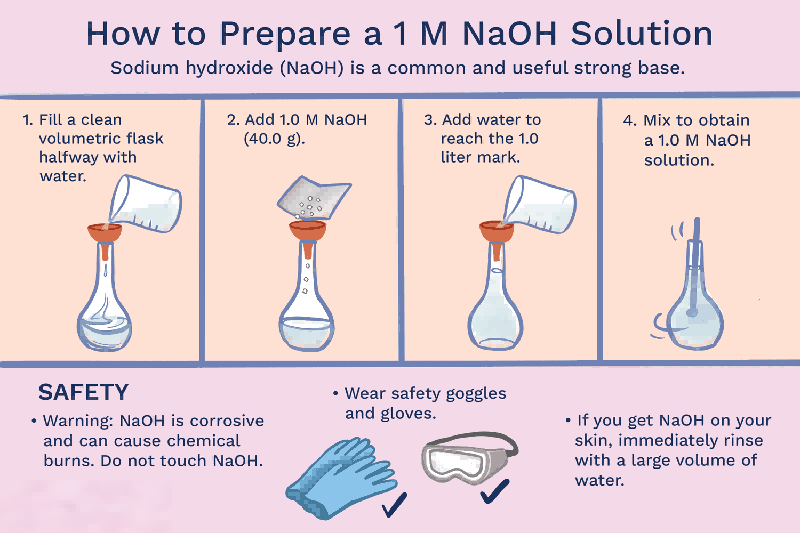
Step 2: Mix the Caustic Soda Solution
This step is very important for safety.
- Pour cold water into the plastic bucket first.
- Slowly add small amounts of caustic soda into the water.
- Stir gently using a wooden or plastic tool.
⚠️ Never pour water onto caustic soda.
The reaction releases heat, and adding water too quickly can cause splashing.
You will notice the solution getting hot — this is normal.
Step 3: Pour the Solution into the Drain
Carefully pour the prepared solution directly into the clogged drain.
Use a funnel if needed to avoid spills.
Make sure the liquid goes straight into the pipe and does not touch surrounding surfaces.
Step 4: Let It Work
Allow the solution time to break down the blockage.
- Light clog: wait 15–30 minutes
- Heavy clog: wait several hours or overnight
Do not run water during this time. The chemical needs time to dissolve grease, soap, and organic matter.
Step 5: Flush with Hot Water
After waiting, slowly pour hot (not boiling) water into the drain. This helps wash away the dissolved debris and remaining chemicals.
If the clog remains, you may repeat the process once more, but frequent use can damage pipes.
Step 6: Neutralize Leftover Solution
Never dispose of strong caustic soda directly.
To neutralize:
- Slowly add vinegar to the leftover solution
- Stir carefully
- Wait until the reaction stops
Once neutralized, it can be safely flushed with plenty of water.
Step 7: Clean and Store Safely
- Wash all tools with plenty of water
- Seal the caustic soda container tightly
- Store in a cool, dry place
- Keep away from children and pets
Proper storage prevents moisture absorption and accidental exposure.
⚠️ Important Warnings
- Never mix caustic soda with other drain cleaners
- Do not use on aluminum pipes
- Avoid frequent use in old or weak plumbing systems
- If the clog is severe, call a professional plumber
Chemical misuse can damage pipes and cause injury.
Conclusion
Caustic soda is an effective solution for drain cleaning when used properly. It works by breaking down organic blockages and restoring water flow. However, safety must always come first.
By following the correct mixing process, wearing protective gear, and allowing enough reaction time, you can clear many household drain clogs safely and efficiently.