 Skip to content
In recent years, environmental protection has become a major global focus. One topic often discussed is the environmental impact of calcium chloride (CaCl₂). Because calcium chloride can increase soil salinity, many people worry about its effect on ecosystems and nearby water bodies.
However, recent scientific studies show a more balanced picture. When calcium chloride is used correctly and according to guidelines, its impact on surrounding water systems is minimal. These findings highlight how proper application and management make a significant difference in environmental outcomes.
Why This Topic Matters
Calcium chloride is widely used in:
- Dust control on roads
- De-icing in winter
- Soil stabilization in construction
These applications bring clear practical benefits. But questions remain about whether calcium chloride may lead to soil salinity problems or water contamination. Understanding the real environmental impact helps industries, policymakers, and communities make informed decisions.
The Chemistry and Uses of Calcium Chloride
What Is Calcium Chloride?
Calcium chloride is a highly soluble salt made of calcium and chlorine. Because it absorbs moisture easily, it is effective for:
✔ Controlling dust
✔ Melting ice
✔ Improving soil stability

Environmental Concerns About Calcium Chloride
The main concern is increased soil salinity. High salt levels in soil can:
- Stress plant growth
- Reduce soil fertility
- Potentially affect nearby water sources through runoff
But the key factor is how much and how often calcium chloride is used.
The Study: How Researchers Evaluated the Impact
Environmental scientists recently conducted field and laboratory research to understand the real effects of calcium chloride in practical use.
They focused on:
- Application rates
- Different soil types
- Weather conditions
- Distance from water bodies
Key Findings of the Study
1. Soil Salinity Increases — But Stays Manageable
Yes, calcium chloride raises soil salinity. But when applied at recommended levels, the increase remains within safe and manageable limits.
2. Minimal Impact on Water Bodies
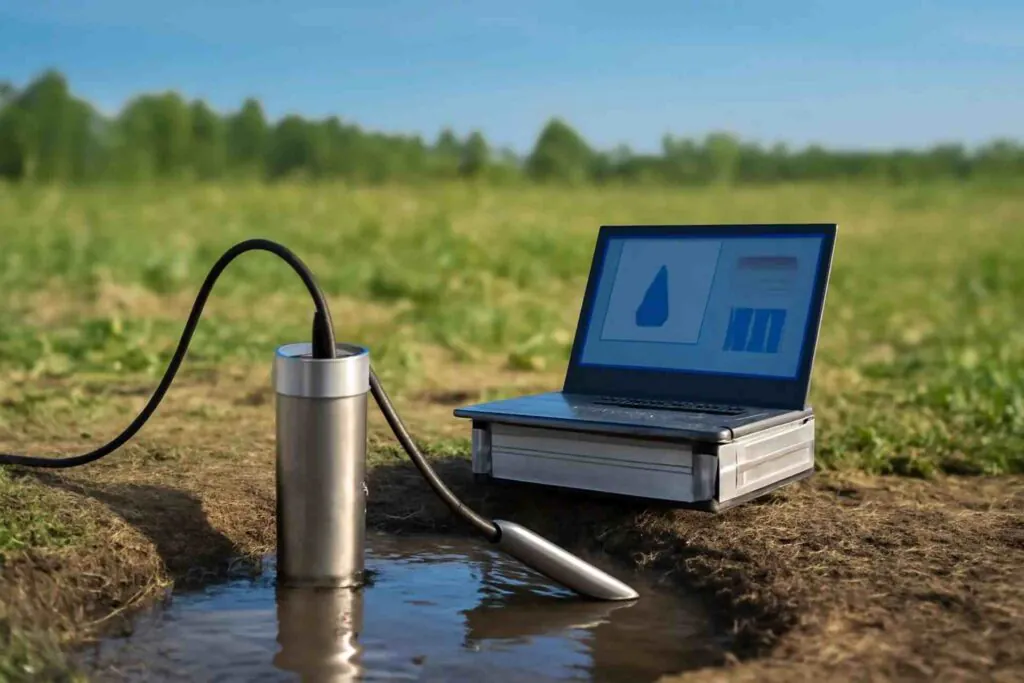
One of the most important findings: nearby rivers, lakes, and groundwater showed little to no harmful salinity change when calcium chloride was used properly.
3. No Major Damage to Vegetation
Local vegetation did not show significant negative effects when application followed proper guidelines.
4. Weather Plays a Role — But Risk Remains Low
Rain and drainage patterns influence how calcium chloride moves in the environment. Even so, measured levels in water bodies stayed below harmful thresholds.
Why Application Rate Matters So Much
The research clearly showed that overuse is the real risk, not normal use.
Important factors include:
- Soil buffering capacity (some soils handle salts better)
- Distance from water sources
- Proper timing of application
Following recommended rates is the key to avoiding environmental stress.
Implications for Environmental Management
Best Practices for Safe Use
To minimize environmental impact, experts recommend:
✔ Applying calcium chloride at approved dosage levels
✔ Regularly monitoring soil and water salinity
✔ Creating buffer zones near rivers, lakes, and wetlands
These measures significantly reduce environmental risk.
Policy and Industry Recommendations
For regulators and environmental managers, the study suggests:
- Establishing clear application guidelines
- Training operators on correct usage practices
- Supporting continued environmental monitoring and research
Science-based policies help balance infrastructure needs with ecosystem protection.
Conclusion
Calcium chloride does increase soil salinity, but recent studies show that its impact on water bodies is minimal when used properly. Responsible application, monitoring, and adherence to guidelines allow communities to benefit from its practical uses while protecting the environment.
Understanding the environmental impact of calcium chloride in context helps move the discussion from fear to fact-based management.
If you are involved in road maintenance, dust control, or soil stabilization and need technical guidance, product specifications, or environmental compliance information, our team can provide professional support tailored to your project conditions.


