 Skip to content
Polyacrylamide (PAM) is one of the most widely used flocculants in wastewater treatment, sludge dewatering, mining, and industrial processing. But even the highest-quality polymer delivers poor results if it is not dissolved correctly.
Slow or incomplete dissolution is one of the most common—and most avoidable—causes of underperforming treatment systems. Understanding what controls dissolution speed gives operators a direct path to better flocculation, lower chemical consumption, and fewer operational disruptions.
This guide covers the five key factors that affect PAM dissolution speed, practical preparation best practices, and how to troubleshoot the most common dissolution problems.
Why Proper Polymer Dissolution Matters
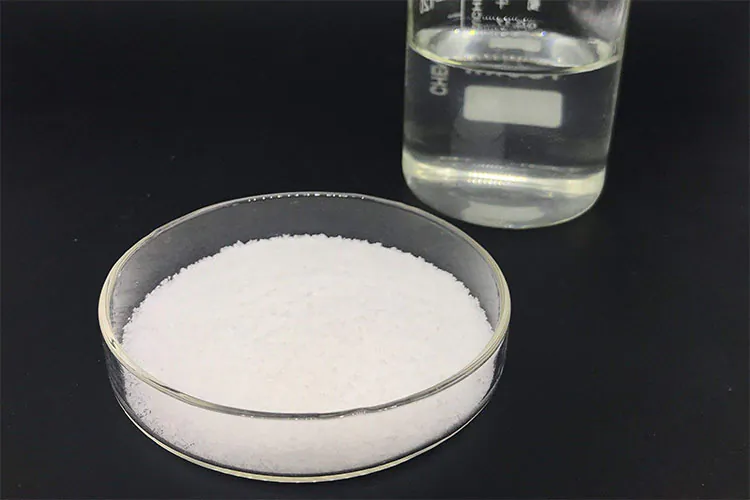
Polyacrylamide is supplied in dry powder or granular form. Before it can work as a flocculant, it must be hydrated and dissolved in water to form a diluted polymer solution—typically at concentrations between 0.1% and 0.3%.
During proper dissolution, the polymer chains unfold and extend outward into the solution. These extended chains are what physically bridge suspended particles together, forming the large, fast-settling flocs that make treatment effective.
When dissolution is incomplete, the following problems commonly occur:
- Fish eyes (undissolved gel lumps) block dosing lines and injection points
- Uneven polymer concentration causes inconsistent flocculation across the tank
- Reduced bridging efficiency leads to smaller, slower-settling flocs
- Higher chemical consumption as operators compensate by overdosing
- Increased maintenance from clogged dosing equipment
Proper dissolution is not a background task—it is the foundation of effective flocculation performance.
The 5 Key Factors Affecting PAM Dissolution Speed
1. Water Temperature
Water temperature is the single most influential variable in dissolution speed.
Higher temperatures increase molecular mobility in water, which accelerates the hydration and unfolding of polymer chains. In practical terms:
| Water Temperature | Approximate Dissolution Time |
|---|---|
| Below 10°C | 60–90 minutes (risk of incomplete dissolution) |
| 15–20°C | 45–60 minutes |
| 20–30°C | 30–45 minutes |
| 30–40°C | 20–35 minutes |
| Above 45°C | Not recommended — risk of polymer degradation |
Recommended range: 20°C to 40°C for most wastewater treatment applications.
In cold-climate facilities or winter operations, where water temperature may drop below 15°C, operators should extend mixing time by 30–50% or use warm water supply where available. Attempting to dissolve PAM in near-freezing water often results in severe fish eye formation and significantly reduced polymer activity.
⚠️ Important: Temperatures above 45°C can break down polymer chains and permanently reduce molecular weight, which lowers flocculation performance. Always check product specifications for upper temperature limits.
2. Mixing Intensity
Mixing serves two roles in polymer dissolution: it disperses dry polymer particles across the water surface to prevent clumping, and it maintains continuous contact between polymer and water molecules during hydration.
However, mixing intensity must be carefully balanced:
Too little mixing:
- Polymer particles sink and clump at the tank bottom
- Uneven hydration creates concentration gradients
- Fish eyes form on the surface
Too much shear force:
- Mechanical shear breaks extended polymer chains
- Molecular weight effectively decreases
- Flocculation efficiency drops permanently—this damage cannot be reversed
Recommended approach:
| Stage | Mixing Speed | Duration |
|---|---|---|
| Initial dispersion (adding powder) | High speed — 200–400 RPM | 2–5 minutes |
| Main hydration | Moderate speed — 60–120 RPM | 25–55 minutes |
| Mature solution (ready to dose) | Slow agitation — 20–40 RPM | Continuous until use |
The specific RPM targets depend on tank geometry and impeller type. Jar testing can help calibrate the right mixing protocol for each facility.
3. Polymer Particle Size
Smaller polymer particles dissolve significantly faster than larger granules, because the surface area available for water contact is much greater relative to mass.
For a simplified illustration:
- A 1 mm granule has a surface-area-to-volume ratio of approximately 6:1
- Breaking it into 0.1 mm particles multiplies that ratio tenfold
In practice, this means that finely milled polyacrylamide powders—designed with optimized particle size distribution—can reduce dissolution time by 20–40% compared to coarser granular grades, under identical conditions.
When evaluating PAM products, consider requesting particle size distribution data from the supplier. Products with a consistent, narrow particle size range produce more predictable dissolution behavior and less process variability.
4. Polymer Solution Concentration
Solution concentration during preparation directly affects how quickly the polymer dissolves.
At higher concentrations, dissolved polymer chains in solution begin to interfere with each other—a phenomenon called viscosity buildup—which physically slows the movement of water molecules to undissolved particles.
Concentration guidelines:
| Application | Recommended Preparation Concentration |
|---|---|
| Municipal wastewater flocculation | 0.1% – 0.2% |
| Sludge dewatering | 0.2% – 0.3% |
| Mining/thickening applications | 0.05% – 0.15% |
| High-MW anionic grades | ≤ 0.15% |
Preparing solutions above 0.3% is generally not recommended for most wastewater treatment applications. Higher concentrations increase viscosity to the point where complete dissolution becomes impractical within standard mixing times, and the thick solution is harder to pump and dose accurately.
If your process requires higher polymer concentrations, contact your supplier to confirm compatibility with the specific product grade.
5. Water Quality
This factor is often overlooked, but water quality can significantly affect dissolution performance.
Hardness (calcium and magnesium ions): Hard water can interact with anionic polyacrylamide, partially neutralizing charge density and reducing the polymer’s ability to fully extend in solution. In areas with very high water hardness (above 500 mg/L as CaCO₃), consider using softened water for polymer preparation.
pH: Polyacrylamide dissolves effectively across a broad pH range (6–9). Outside this range, particularly under strongly acidic conditions, hydrolysis of the amide groups can alter the polymer’s charge density unpredictably.
Suspended solids: Water used for polymer preparation should be as clean as possible. Suspended solids compete for polymer adsorption sites and can partially consume the polymer before it reaches the treatment zone—effectively reducing the active dose.
Chlorine and oxidants: Residual chlorine in tap water can degrade PAM polymer chains over time. Where possible, use process water rather than chlorinated municipal water for polymer preparation.
Best Practices for Preparing Polymer Solutions
Following a consistent preparation procedure eliminates most dissolution problems before they start.
Step 1: Prepare the mixing tank
Ensure the tank is clean and free of residue from previous batches. Fill to approximately 80% of target volume with water at the correct temperature (20°C–40°C).
Step 2: Start the agitator before adding polymer
Set the agitator to high speed before introducing any polymer powder. This creates the vortex or turbulence needed to disperse particles immediately on contact with the water surface.
Step 3: Add polymer slowly and steadily
Never dump polymer powder into the tank all at once. Use a slow, steady feed—ideally via a venturi eductor or screw feeder—to introduce polymer gradually over 2–5 minutes. This prevents surface clumping and fish eye formation.
Step 4: Reduce mixing speed for hydration
After all polymer has been added and dispersed, reduce agitator speed to a moderate level (60–120 RPM). Allow the solution to mix for 30–60 minutes for complete polymer hydration.
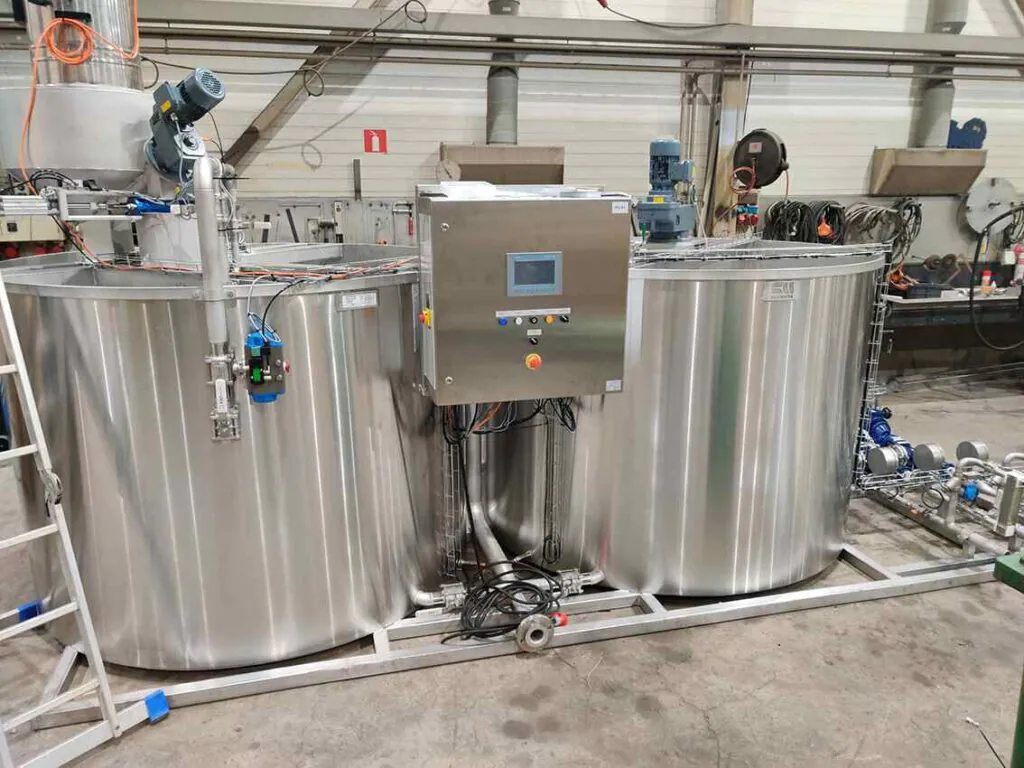
Most facilities use a two-tank or three-tank preparation system, where Tank 1 handles initial dissolution, Tank 2 completes aging, and Tank 3 holds the mature solution ready for dosing. This ensures a consistent, fully hydrated polymer supply at all times.
Step 5: Age before dosing
Do not dose polymer solution immediately after mixing. Allow at least 30–45 minutes of total hydration time before the solution enters the dosing system. Prematurely dosed polymer has not fully extended its chains and will underperform.
Step 6: Use within recommended time
Most PAM solutions should be used within 24–48 hours of preparation. Over time, bacterial degradation and continued hydrolysis can reduce performance. Check product-specific guidance for shelf life recommendations.
How Dissolution Quality Directly Affects Flocculation Performance
The link between dissolution quality and treatment results is direct and measurable:
Fully dissolved PAM:
- Polymer chains extend to full length, maximizing bridging reach
- Charge groups are evenly distributed and accessible to particle surfaces
- Floc formation is rapid, producing large, dense aggregates
- Sedimentation is fast and supernatant clarity is high
Partially dissolved PAM:
- Gel lumps pass through without contributing to flocculation
- Active polymer concentration is lower than the nominal dose suggests
- Flocs are smaller and weaker, settling slowly
- Operators may compensate by increasing dose—raising cost without solving the root problem
A well-run jar test using properly dissolved polymer solution versus a poorly dissolved sample of the same product can show 30–50% differences in floc size and settling rate.
👉 Related article: Molecular Weight and Its Impact on Flocculation
Troubleshooting Common Dissolution Problems
Problem: Fish eyes (gel lumps) forming
Likely causes:
- Polymer added too quickly
- Agitator not running before polymer addition
- Water temperature too low
- Concentration too high
Solutions: Reduce addition rate, pre-start agitator, warm water supply, lower target concentration.
Problem: Solution is too viscous to pump
Likely causes:
- Concentration above 0.3%
- High molecular weight grade used at full concentration
- Solution over-aged in cold conditions causing gelling
Solutions: Dilute with additional water, reduce preparation concentration for high-MW grades.
Problem: Inconsistent flocculation despite correct dose
Likely causes:
- Insufficient mixing time—polymer not fully hydrated
- Agitator speed too high, degrading polymer chains
- Water hardness interfering with anionic PAM
Solutions: Extend mixing time to 45–60 minutes, reduce agitator RPM, test with softened water.
Problem: Rapid degradation of dissolved solution
Likely causes:
- Bacterial contamination in the preparation tank
- High temperature storage
- Residual oxidants in preparation water
Solutions: Clean tank regularly, keep solution below 30°C during storage, switch to process water for preparation.
Choosing a Polyacrylamide That Dissolves Reliably
Not all PAM products dissolve at the same rate or with the same consistency. Product quality directly affects how predictable and manageable the dissolution process is in real operations.
When evaluating suppliers, ask for the following product data:
- Particle size distribution — narrower distributions dissolve more uniformly
- Moisture content — products above 10% moisture may clump during storage and handling
- Dissolution time specification — reputable suppliers provide a dissolution time at standard conditions
- Molecular weight range — higher MW grades require more careful dissolution management
- Charge density (for ionic grades) — consistent charge density ensures predictable behavior across batches
High-quality polyacrylamide products offer faster dissolution, minimal clumping, and stable molecular weight distribution—reducing operational variability and allowing more accurate dosing.
Our industrial-grade polyacrylamide is used in:
- Municipal wastewater treatment
- Sludge dewatering and belt press / centrifuge applications
- Mining and mineral thickening
- Food processing wastewater
- Paper and pulp industry effluent
Each grade is available with technical data sheets specifying dissolution time, particle size, molecular weight range, and ionic content—giving operators the data needed to optimize preparation procedures before the product arrives on site.
👉 Related article: Understanding Charge Density in PAM
Frequently Asked Questions
How long does polyacrylamide take to dissolve?
At 20°C–30°C with moderate mixing, most PAM grades dissolve in 30–60 minutes. High molecular weight grades or cold water conditions may require up to 90 minutes for complete hydration.
What causes fish eyes in PAM solution?
Fish eyes (undissolved gel lumps) are caused by adding polymer too quickly, insufficient agitation before addition, or water that is too cold. The outer layer of each particle hydrates instantly and forms a gel skin that prevents water from penetrating to the core. Slow addition and adequate pre-mixing prevent this.
Can I dissolve PAM in hot water to speed up the process?
Warm water (up to 40°C) speeds dissolution, but temperatures above 45°C risk thermal degradation of polymer chains, which permanently reduces molecular weight and flocculation performance. Stay within the 20°C–40°C range.
What concentration should I prepare PAM solution at?
Most wastewater treatment applications use 0.1%–0.3% solution concentration. Higher concentrations increase viscosity and make both dissolution and dosing more difficult.
How long can I store a dissolved PAM solution?
Most PAM solutions should be used within 24–48 hours. Longer storage allows bacterial degradation and continued hydrolysis to reduce polymer activity.
Does water hardness affect PAM dissolution?
Hard water can interact with anionic PAM grades, reducing charge density and solution performance. If your supply water exceeds 500 mg/L hardness (as CaCO₃), consider using softened water for polymer preparation.
Conclusion
Polymer dissolution is not just a preparation step—it is a direct determinant of treatment performance. The five factors covered in this guide—water temperature, mixing intensity, particle size, solution concentration, and water quality—all interact to determine how fully and how quickly polyacrylamide activates in your system.
By controlling these variables and following a consistent preparation procedure, wastewater treatment plants can:
- Achieve complete polymer hydration before dosing
- Reduce fish eye formation and equipment blockages
- Improve flocculation efficiency and effluent clarity
- Lower polymer consumption through accurate, effective dosing
Optimizing dissolution does not require significant capital investment—in most cases, adjusting temperature, mixing protocol, and addition rate is enough to see measurable improvement in treatment results.
If your current polyacrylamide is difficult to dissolve, prone to fish eye formation, or delivering inconsistent flocculation performance, the issue may be product quality rather than process conditions. Our technical team can evaluate your current setup and recommend the right grade and preparation protocol for your specific application.
Contact us to request a product data sheet, dissolution test data, or a free application consultation.


