Skip to content
Managing sludge concentration is one of the most overlooked variables in biological wastewater treatment. For plant operators and process engineers running activated sludge systems, allowing MLSS to climb beyond design limits triggers a chain reaction of operational problems — from oxygen deficits and equipment overload to regulatory non-compliance. This guide identifies the six key risks of excessive sludge concentration and gives you the diagnostic benchmarks to catch them early.
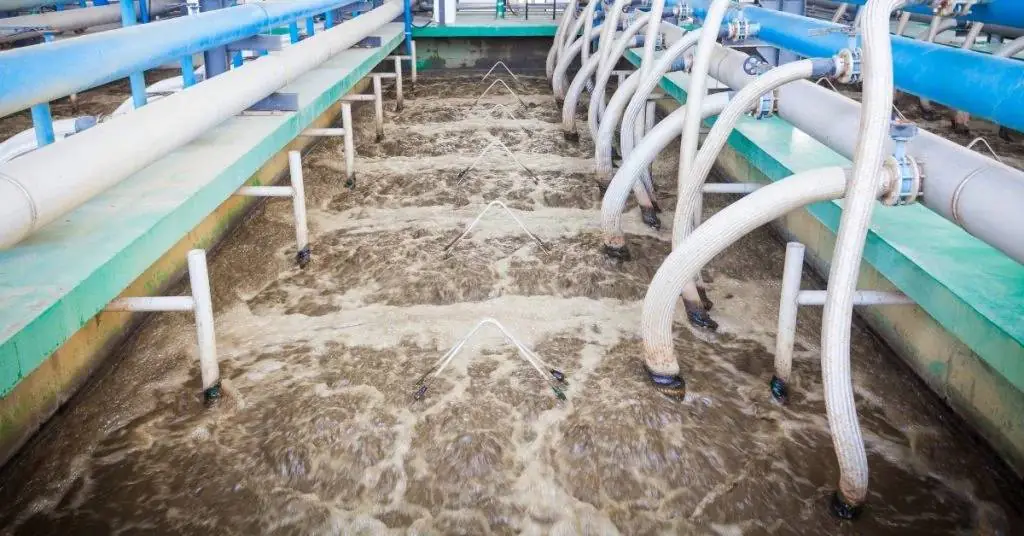
Why High MLSS Causes Excessive Dissolved Oxygen Demand in Aeration Systems
As mixed liquor suspended solids (MLSS) rise above optimal operating range (typically 2,000–4,000 mg/L for conventional activated sludge), the total microbial biomass in the aeration tank increases proportionally. Higher biomass demands more dissolved oxygen to sustain aerobic metabolism.
In practice, this means blowers and surface aerators must run at higher output and for longer durations to maintain a DO setpoint of 2.0–4.0 mg/L. We see aeration energy consumption increase by 20–35% when MLSS climbs from 3,500 mg/L to 6,000 mg/L without a corresponding increase in organic loading. This accelerates impeller and bearing wear, shortens equipment service intervals, and directly inflates your energy bill — typically the single largest operating cost in a biological treatment plant.
Equipment Overload and Rising Operating Costs from Excessive Sludge Loads
High sludge concentration increases the viscosity and density of the mixed liquor, placing greater mechanical stress on recirculation pumps, submersible mixers, and return activated sludge (RAS) pumps. System hydraulic resistance rises as sludge thickens, forcing pumps to operate outside their optimal duty point.
The result is a “high input, low output” scenario: energy consumption increases by 15–25%, pump seal and impeller replacement frequency doubles in some cases, and overall treatment throughput per unit of energy spent declines. For a plant processing 10,000 m³/day, this operating inefficiency can translate to an additional ¥150,000–300,000 per year in unplanned maintenance and energy costs.
How High Sludge Concentration Disrupts the C:N:P Nutrient Balance
Healthy aerobic microbes require a carbon-to-nitrogen-to-phosphorus ratio of approximately 100:5:1 (BOD:N:P). When MLSS is excessively high relative to influent organic loading, the available substrate per unit biomass drops sharply — effectively starving the microbial population of carbon.
This nutrient imbalance suppresses microbial activity, reduces enzymatic reaction rates, and destabilizes nitrification — particularly sensitive when the ammonia-nitrogen load fluctuates. In our experience, when the food-to-microorganism ratio (F/M) drops below 0.05 kg BOD/kg MLSS·day, treatment efficiency for COD and ammonia-nitrogen can decline by 15–30%, pushing effluent closer to discharge limit thresholds.
Sludge Aging and Declining Biological Treatment Performance
Excessively high MLSS combined with low organic loading creates a “too many mouths, too little food” condition. The microbial community shifts toward endogenous respiration — consuming their own cellular material rather than influent substrate. This produces older, less active sludge with a higher proportion of inert and dead cell mass.
The practical consequences are measurable: sludge settleability worsens (SVI rising above 150 mL/g), effluent turbidity increases, and the system’s capacity to handle peak loading events is significantly reduced. Aged sludge also releases intracellular material into the liquor, increasing effluent COD even when influent quality is stable.
Filamentous Bacteria Proliferation and Secondary Clarifier Sludge Loss
High MLSS combined with a low F/M ratio (below 0.05 kg BOD/kg MLSS·day) creates ideal selection pressure for filamentous bacteria such as Microthrix parvicella and Type 021N. These organisms outcompete floc-forming bacteria under substrate-limited conditions, causing sludge bulking — SVI values exceeding 200 mL/g are common in severe cases.
Bulking sludge settles poorly in the secondary clarifier, leading to foam accumulation, surface scum, and sludge carryover into the effluent. Effluent SS can spike to 50–100 mg/L during bulking events, directly causing discharge standard violations. In the worst cases, if the sludge blanket in the clarifier becomes too deep, anaerobic conditions develop at the base — denitrification and fermentation gases lift settled sludge back into suspension, dramatically worsening solids loss and potentially destabilizing the entire biological system.
Increased Chemical Consumption: Higher PAM and Coagulant Dosage Requirements
As sludge concentration rises and settleability deteriorates, plants compensate by increasing coagulant and flocculant dosage to maintain effluent quality. Polyacrylamide (PAM) consumption for sludge dewatering increases significantly — a plant running belt filter presses or centrifuges may see PAM dosage climb from 3–5 kg/tonne dry solids to 6–9 kg/tonne dry solids when processing aged, poorly dewatering sludge.
PAC (Polyaluminum Chloride) dosage in the secondary treatment or effluent polishing stage also increases to compensate for higher effluent turbidity. Combined, excess chemical consumption from high sludge conditions can raise treatment chemical costs by 25–40% versus a properly controlled system — eliminating the perceived operational “safety margin” that high MLSS might seem to provide.
Summary: Sludge Concentration Control Is Preventive, Not Reactive
Allowing MLSS to run excessively high does not create a more robust treatment buffer — it introduces compounding risks across every aspect of plant operation:
- Aeration energy consumption increases 20–35%
- Equipment wear and maintenance costs rise 15–25%
- Nutrient imbalance suppresses biological activity by up to 30%
- Sludge aging degrades settleability and effluent quality
- Filamentous bulking risks discharge standard violations
- Chemical costs increase 25–40% for dewatering and polishing
We recommend monitoring MLSS, SVI, and F/M ratio on a daily basis and establishing clear operational triggers for waste sludge removal. Timely sludge wasting — combined with carbon source supplementation when the C:N ratio is insufficient — keeps your biological system in the active growth phase where treatment performance and cost efficiency are both optimized.
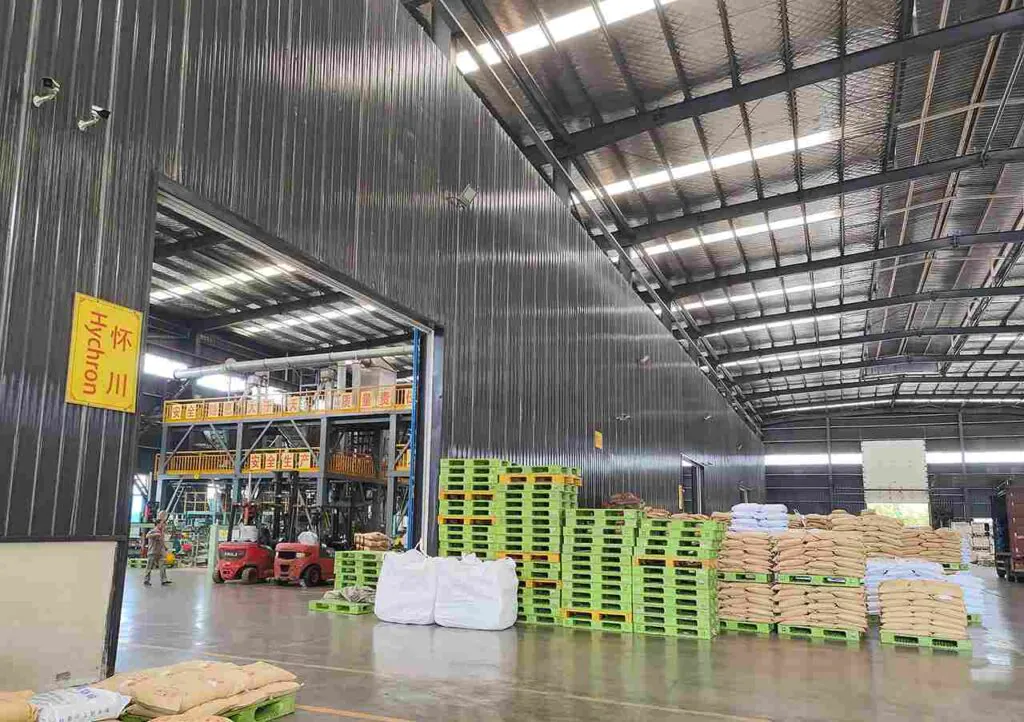
If you are managing similar challenges in your wastewater operation, contact Shandong Hychron EnergyTech Co., Ltd. for technical support on PAM selection for sludge dewatering, PAC dosing optimization, and process troubleshooting.