
When dealing with stubborn drain clogs, caustic soda (sodium hydroxide, NaOH) is one of the most effective chemical solutions available. But why is it so powerful?
The answer lies in its strong alkalinity, heat-producing reaction, and ability to chemically break down organic materials. This article explains the science behind how caustic soda clears drains and why it remains widely used in both household and industrial drain cleaning.
Understanding the Chemistry of Caustic Soda
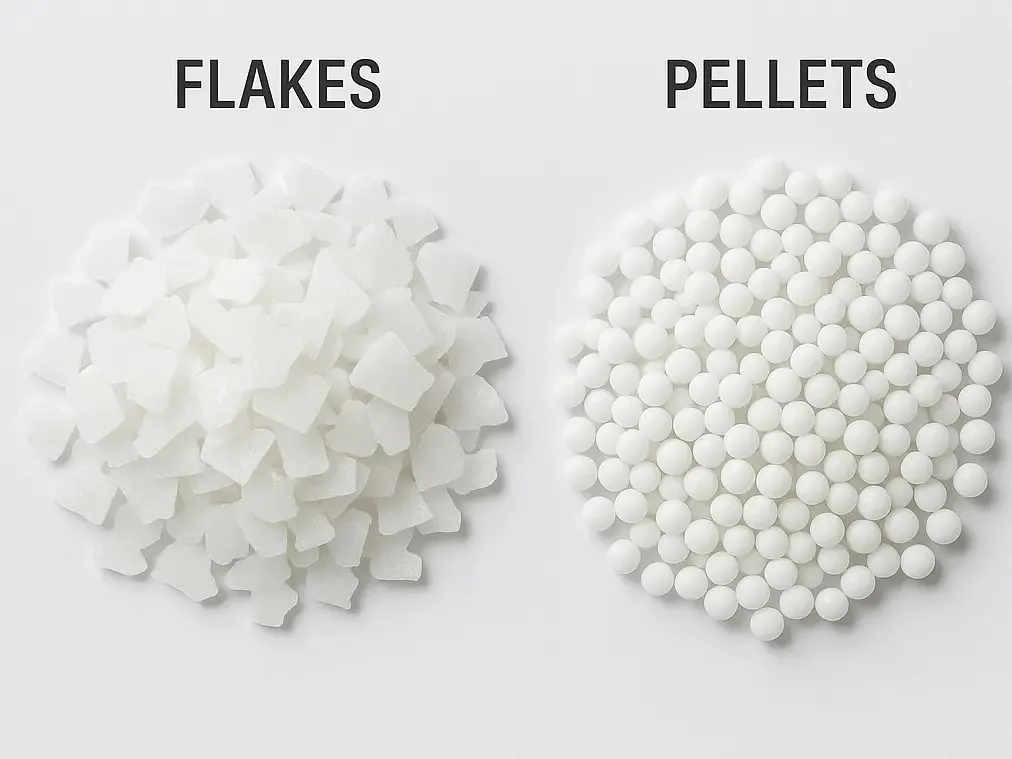
Caustic soda is a strong alkaline compound with a pH close to 14. When dissolved in water, it separates into:
- Sodium ions (Na⁺)
- Hydroxide ions (OH⁻)
This reaction releases heat and creates a highly reactive alkaline solution capable of breaking down many types of drain blockages.
How Caustic Soda Breaks Down Organic Clogs
Most drain blockages are made of organic materials, including:
- Fats
- Oils
- Grease (FOG)
- Hair
- Food waste
The hydroxide ions in caustic soda attack these materials through a process called saponification.
What Is Saponification?
Fats and oils contain triglycerides, which are chemical compounds formed from glycerol and fatty acids. When caustic soda reacts with them:
✔ Ester bonds are broken
✔ Fats turn into glycerol and soap
✔ The solid grease becomes water-soluble
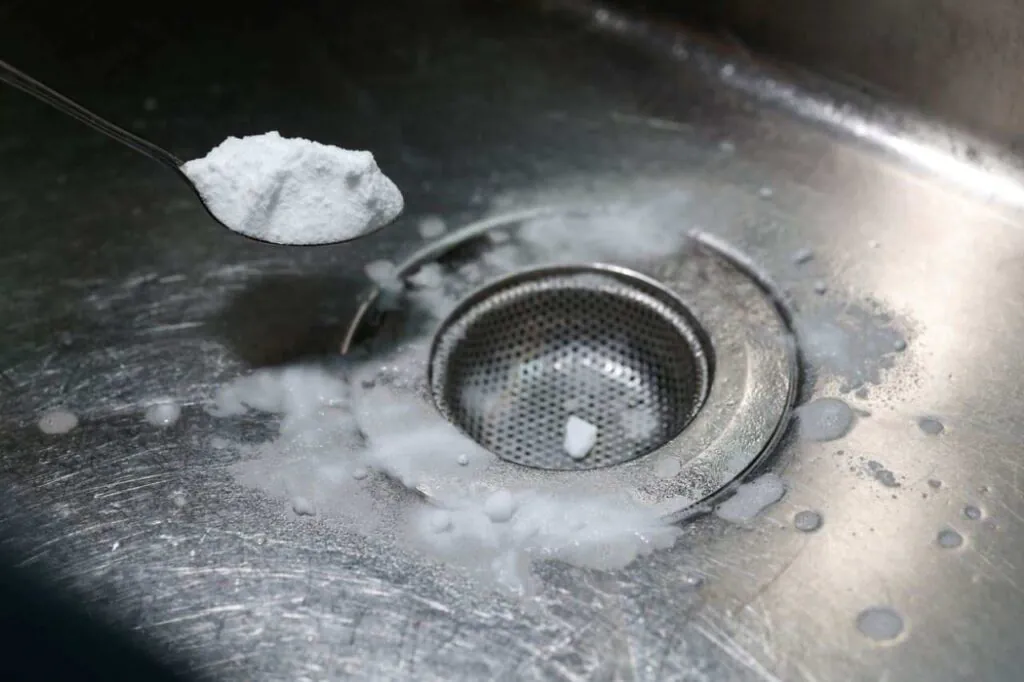
This means hard, sticky grease is chemically converted into substances that can be washed away with water.
The Role of Heat in the Cleaning Process
When sodium hydroxide dissolves in water, it produces heat. This exothermic reaction helps in several ways:
- Liquefies fats and grease faster
- Speeds up chemical reactions
- Loosens soap scum stuck to pipe walls
- Helps release hair and debris trapped in sticky buildup
The combined effect of chemical breakdown + heat makes caustic soda especially effective against tough clogs.
Why It Works in Both Homes and Industry
Caustic soda is not only used in homes but also in industrial drainage systems, where blockages are often more severe. Its advantages include:
- Strong ability to dissolve organic waste
- Effective performance against mixed clogs
- High pH that reduces microbial growth in pipes
- Low cost and wide availability
Because of these benefits, sodium hydroxide remains one of the most widely used chemicals for drain cleaning worldwide.
Environmental Considerations
Although caustic soda is effective, it must be used responsibly.
Small, controlled amounts that are properly diluted and neutralized have limited environmental impact. However, excessive discharge of highly alkaline water can disturb natural water pH levels and harm aquatic life.
Proper usage and disposal are essential to ensure both effective cleaning and environmental protection.
Conclusion
The power of caustic soda in drain cleaning comes from three key factors:
✔ Strong alkalinity
✔ Saponification of fats and oils
✔ Heat generation that accelerates breakdown
These properties allow sodium hydroxide to turn solid organic clogs into soluble substances that can be easily flushed away. While highly effective, it should always be used with proper safety precautions and environmental awareness.