 Skip to content
In heavy metal wastewater treatment, chemical precipitation is widely used. ✅ It is simple to operate and gives good treatment results. Using PAC and PAM improves removal efficiency.
Common Methods for Removing Heavy Metal Ions
Heavy metal wastewater is common in:
- Electroplating (zinc, nickel, copper)
- Metal processing
- Printed circuit boards
- Leather industry
It contains ions like copper, zinc, manganese, nickel, cadmium, often in stable complex forms. 💧 These metal ions are harder to treat.
Common wastewater treatment methods include:
- Evaporation and concentration: Good for high concentration wastewater, but expensive.
- Adsorption: Using activated carbon or special adsorbents.
- Ion exchange: Using resin to exchange metal ions in water.
- Membrane separation and biological methods.
- Electrocoagulation / micro-electrolysis.
- Chemical precipitation: The most widely used, especially for medium and low concentration heavy metal wastewater. ✅
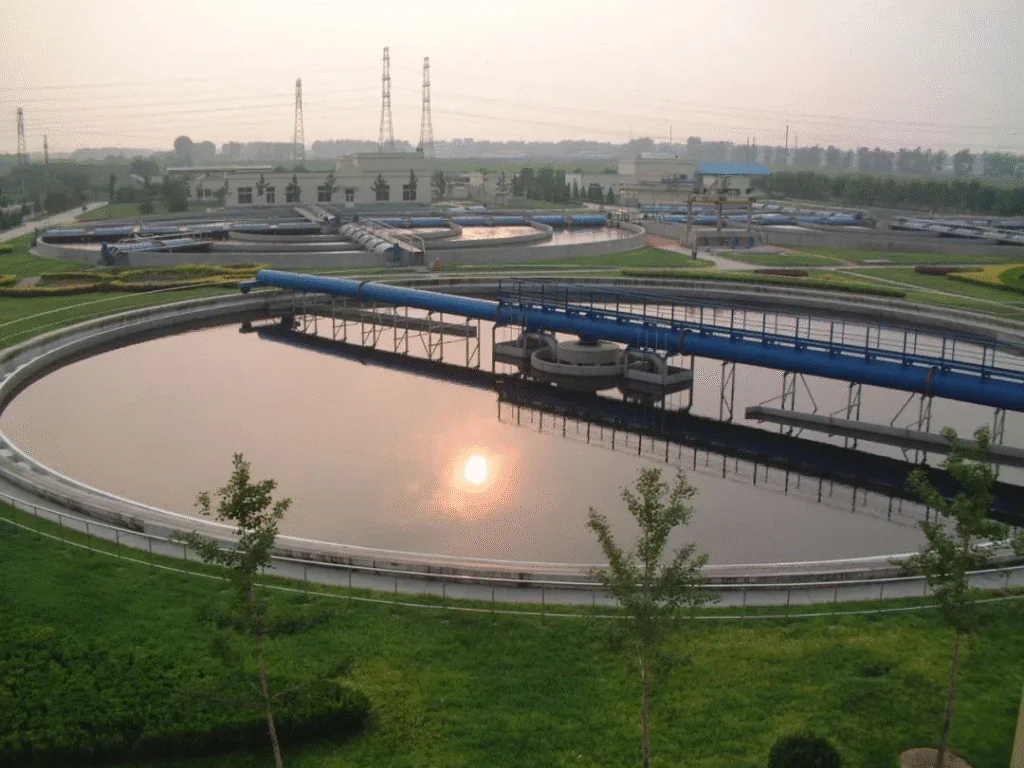
Principles of Chemical Precipitation and Three Typical Methods
Chemical precipitation works by adding chemicals to wastewater. These chemicals form insoluble metal precipitates. ⚠️ Then, PAC (Polymeric Aluminum Chloride) and PAM (Polyacrylamide) are used for coagulation, flocculation, and settling.
Three common methods:
2.1 Hydroxide / Sulfide Precipitation
- Used for free metal ions.
- Adjust pH to alkaline (usually pH >10).
- Metal ions react with hydroxide or sulfide to form precipitates.
- Then coagulant + flocculant (PAC + PAM) help settle and remove the metals.
2.2 Complex-Breaking Precipitation
- For complexed metal ions.
- Add a complex breaker (strong oxidizer, reducer, or special agent).
- This frees the metal ions.
- Then, chemical precipitation removes them efficiently.
2.3 Heavy Metal Capturing Agent Method
- Add a heavy metal capturing agent (chelating precipitant).
- It forms stable insoluble complexes with metals.
- Combine with PAC and PAM for efficient flocculation and removal. ✅
- This method is widely used and gives stable results.
Summary
Chemical precipitation is:
- High efficiency
- Moderate cost
- Flexible to operate
The key is to choose the right precipitation method and chemical combination for different metal ion forms. This ensures wastewater treatment meets discharge standards.If you have heavy metal wastewater problems, feel free to leave a message or contact us for a custom solution! 💧


