
Choosing the right flocculant is a key step before sewage treatment.
Different types of wastewater and sludge require different flocculants.
A correct selection helps improve treatment efficiency, reduce dosage, and lower operating costs.
So, when selecting a flocculant type and dosage form, what factors should be considered?
Understand the Sludge Before Selecting a Flocculant
Sludge is the by-product of wastewater treatment.
Before choosing a flocculant, it is important to understand:
-
Sludge source
-
Sludge nature
-
Main composition
-
Solid content
Based on the main components, sludge is usually divided into organic sludge and inorganic sludge.
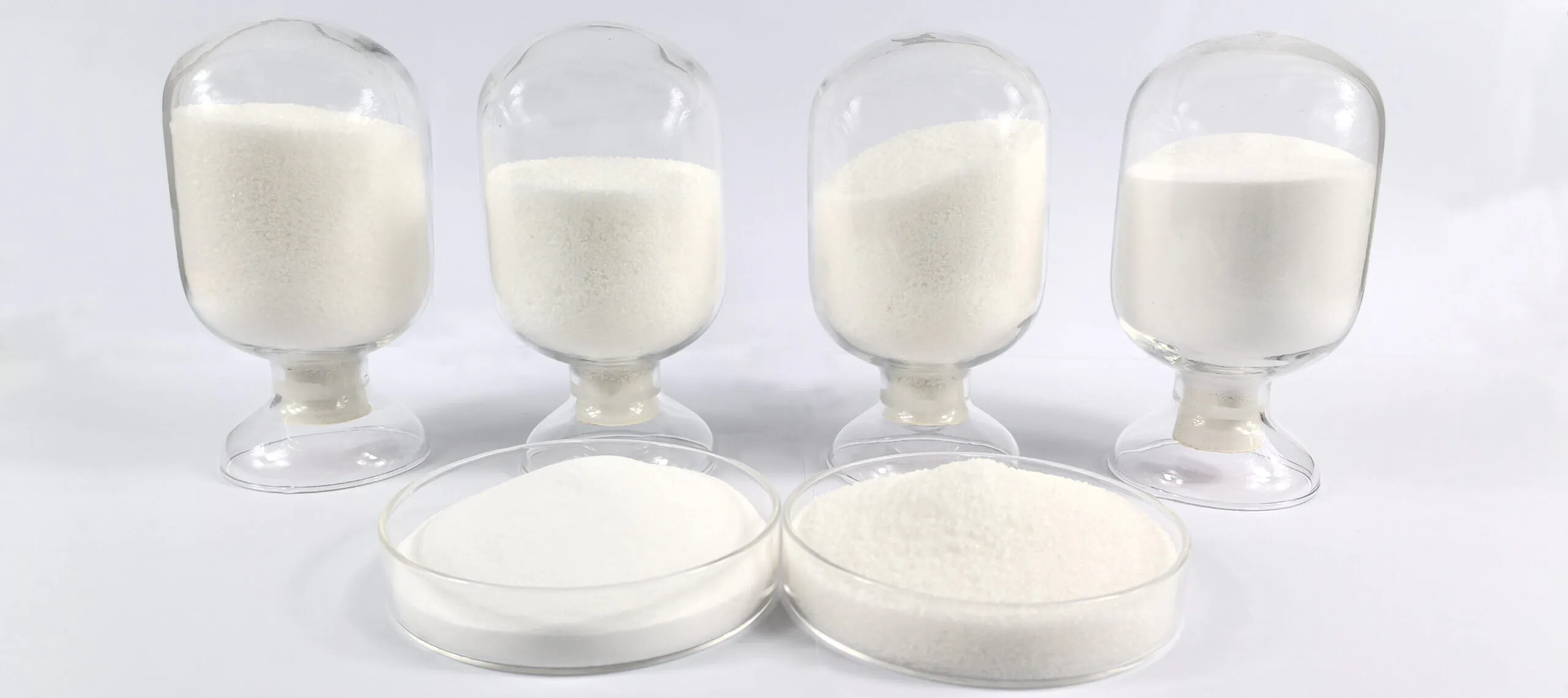
Organic vs. Inorganic Sludge: Choosing the Right Ionic Type
-
Organic sludge
→ Usually treated with cationic flocculants -
Inorganic sludge
→ Usually treated with anionic flocculants
However, water chemistry must also be considered:
-
Cationic flocculants are not suitable for strong alkaline conditions
-
Anionic flocculants should not be used in strong acidic conditions
In addition, when sludge has high solid content, the flocculant dosage is usually higher.
Selecting the Appropriate Ionic Degree of Flocculant
For sludge dewatering, flocculants with different ionic degrees can be tested through small-scale experiments.
This helps identify the most suitable flocculant with:
-
Better dewatering performance
-
Lower chemical dosage
-
Reduced treatment cost
Key Factors When Choosing Ionic Degree
-
Floc size
-
Floc strength
-
Moisture content after dewatering
Floc Size and Its Impact on Dewatering
-
Too small flocs
→ Slow drainage and poor dewatering efficiency -
Too large flocs
→ Trap excess water and increase sludge moisture
Floc size can be adjusted by selecting a flocculant with a suitable molecular weight.
Floc Strength and Stability
Flocs should remain stable and not break under shear force during processing.
To improve floc strength:
-
Increase flocculant molecular weight
-
Select a suitable molecular structure
Strong and stable flocs help ensure consistent dewatering performance.
Effective Mixing of Flocculant and Sludge
The flocculant must fully react with the sludge at the correct location in the dewatering equipment.
Key requirements include:
-
Proper viscosity of the flocculant solution
-
Good mixing under existing equipment conditions
Whether the flocculant and sludge are evenly mixed is a critical factor for success.
The viscosity of the flocculant solution depends on:
-
Molecular weight
-
Preparation concentration
Importance of Proper Flocculant Dissolution
Only well-dissolved flocculants can fully发挥 their performance.
If dissolution is slow:
-
The dissolution rate can be improved by increasing solution concentration
-
Proper mixing and preparation time should be ensured
Good dissolution ensures stable flocculation and effective sludge dewatering.

Conclusion
Selecting the right flocculant requires a clear understanding of sludge properties, water chemistry, and equipment conditions.
By choosing the correct ionic type, ionic degree, molecular weight, and preparation method, wastewater treatment efficiency can be significantly improved while reducing chemical consumption and operating costs.
Careful testing and adjustment are the keys to achieving fast, accurate, and cost-effective flocculant selection.