 Skip to content
Water has always been one of the most valuable resources on the planet. However, in recent years, the pressure on water systems has become much more visible. Rapid industrial expansion, aging municipal infrastructure, and stricter environmental standards are forcing governments and companies to rethink how water is treated, reused, and managed.
In real projects, water treatment today is no longer just about “meeting discharge standards.” It is about cost control, operational stability, regulatory risk, and long-term sustainability. Looking ahead to 2026, these pressures will continue to reshape both industrial and municipal water treatment systems.
This article focuses on the trends that are already influencing day-to-day operations—and will become even more important over the next few years.
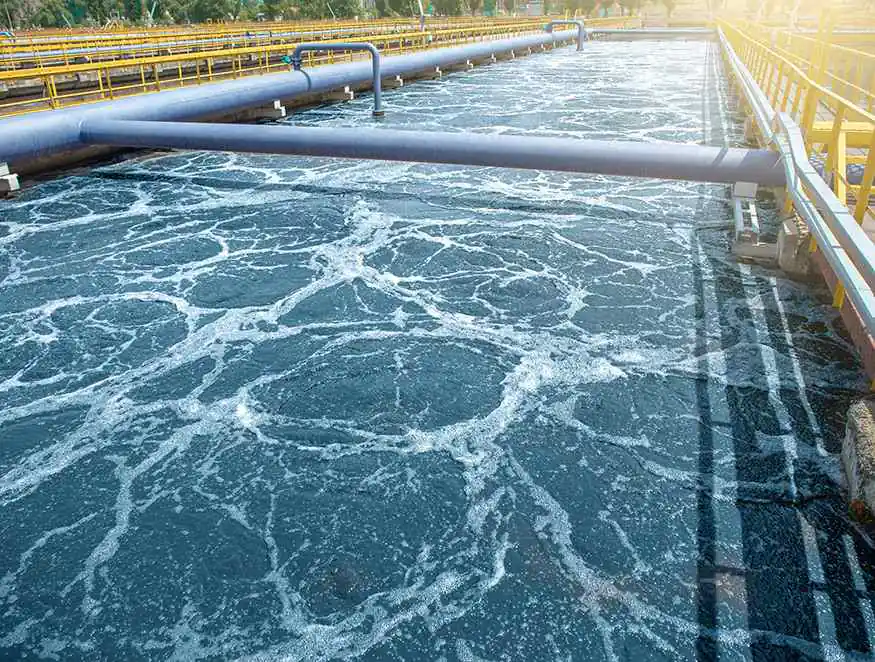
Why Water Treatment Demand Keeps Growing
In many regions, water scarcity is no longer a future concern—it is already a reality. Industrial facilities are competing with cities and agriculture for limited freshwater resources. At the same time, governments are tightening discharge regulations year by year.
From our experience, three factors are driving continuous growth in water treatment demand:
- Unstable raw water quality, especially during seasonal changes
- Stricter limits on suspended solids, nutrients, heavy metals, and pathogens
- Higher expectations for water reuse and recycling
For many plants, wastewater is no longer “waste.” It is a resource that must be treated and reused safely.
Trend 1: Coagulation and Flocculation Remain the Core of Water Treatment
No matter how advanced a treatment system becomes, clarification still starts with coagulation and flocculation. This basic principle has not changed—and it will not change in 2026.
What has changed is the performance requirement.
Traditional aluminum sulfate alone often struggles with:
- Fluctuating water quality
- High organic content
- Sludge volume control
That is why polyaluminum chloride (PAC) and polyacrylamide (PAM) continue to be widely adopted in both municipal and industrial plants.
PAC is favored because it works across a wider pH range and forms denser flocs with faster settling. In many drinking water plants, it has already replaced alum as the primary coagulant. PAM, especially anionic and cationic types, plays a critical role in sludge dewatering, flotation, and solid–liquid separation.
Instead of simply increasing dosage, operators now focus more on:
- Proper chemical selection
- Jar testing
- Optimizing PAC + PAM combinations
This shift increases demand for stable-quality chemicals, not just low-price products.
Trend 2: Higher Standards for Disinfection and Advanced Oxidation
Pathogen control is becoming more demanding, especially in municipal systems. Conventional chlorination alone is often no longer enough to address emerging contaminants.
In practice, we see growing use of:
- Chlorine-based disinfectants
- Peracetic acid
- Ozone systems
- UV disinfection
- Advanced oxidation processes (AOPs)
For drinking water plants, stability and safety are the main concerns. Disinfectants must remain effective throughout the entire distribution network. For industrial systems, microbial control is essential to prevent corrosion, scaling, and operational failures in cooling and process water systems.
By 2026, disinfection will no longer be treated as a “final step,” but as an integrated part of the entire treatment process.
Trend 3: Water Recycling and Reuse Are Becoming Standard Practice
Water reuse was once considered an optional upgrade. Today, it is often a requirement.
Industries such as:
- Power generation
- Mining
- Refining
- Semiconductors
- Food and beverage
are increasingly adopting closed-loop or near-zero discharge systems.
These systems place higher demands on:
- Coagulation efficiency
- Sludge dewatering performance
- Membrane protection
- Chemical compatibility
From a chemical perspective, reuse systems require more precise control. Small fluctuations in dosing or water quality can have large downstream effects.
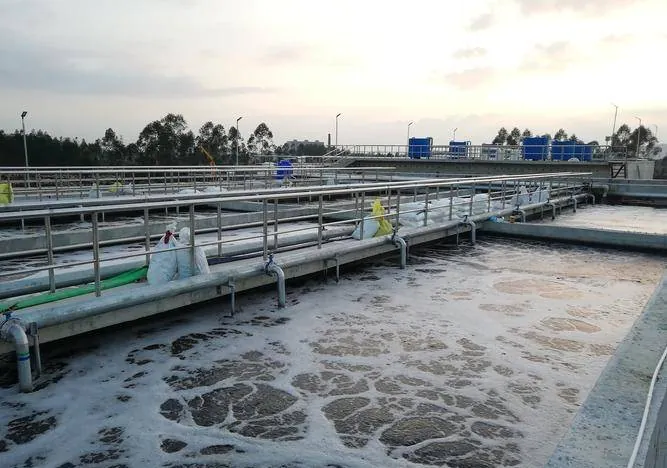
Trend 4: ESG and Sustainability Are Influencing Chemical Selection
Environmental, Social, and Governance (ESG) standards are no longer just corporate slogans. They now directly influence purchasing decisions.
Many buyers are asking for:
- Lower-toxicity formulations
- Reduced sludge generation
- Safer handling and packaging
- Transparent supply chains
This does not mean traditional chemicals will disappear. Instead, it means suppliers must provide clear documentation, consistent quality, and technical support to help customers meet sustainability targets.
Trend 5: Drinking Water Safety Remains a Global Priority
For municipal systems, public health is always the bottom line.
Key focus areas include:
- Turbidity control
- Pathogen removal
- Heavy metal reduction
- Taste and odor improvement
- Corrosion control in pipelines
Coagulants, disinfectants, and corrosion inhibitors will continue to see steady demand. In many regions, upgrading aging infrastructure is just as important as introducing new treatment technologies.
Expanding Industrial Applications in 2026
Industrial water treatment demand is growing across many sectors, including:
- Oil and gas
- Power plants
- Metallurgy
- Pulp and paper
- Textile manufacturing
- Electronics
- Food and pharmaceuticals
Each industry has its own water quality challenges and regulatory requirements. This creates strong demand for customized chemical solutions rather than one-size-fits-all products.
Why Reliable Chemical Suppliers Matter More Than Ever
As treatment systems become more complex, customers need more than just chemicals. They need partners who can provide:
- Stable and consistent product quality
- Technical guidance and troubleshooting
- Regulatory and documentation support
- Long-term supply reliability
In our experience, suppliers who combine production capability with real application knowledge will be best positioned for long-term growth.
Final Thoughts
Water treatment is not just an environmental issue—it is a foundation for industrial stability, public health, and sustainable development.
Looking ahead to 2026, demand for efficient, reliable, and well-supported water treatment solutions will continue to grow. Companies that understand real operating challenges—and not just market trends—will gain a clear advantage in both industrial and municipal sectors.


