Skip to content
Many worry whether polyacrylamide in skincare harms skin. I’ve seen clients hesitate over safety myths. Let’s uncover the science-based truth now.
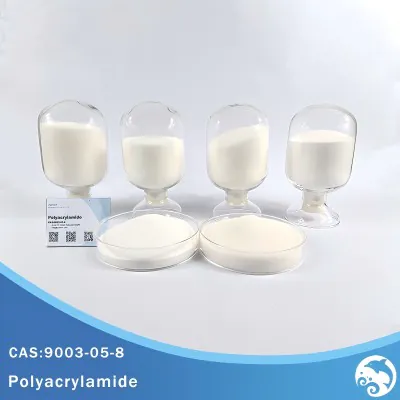
Polyacrylamide is non-toxic for skin when processed correctly with low acrylamide residues (<0.1 ppm). Rigorous purification makes it safe for topical use in cosmetics and creams without causing irritation.
Skin safety concerns deserve clear answers. I’ll explain purity standards and usage limits so you can confidently source products.
How do industry regulations ensure polyacrylamide safety?
Consumers fear hidden risks in common cosmetics. I felt uncertain until studying global compliance rules. Proper regulations protect users effectively.
Major regulators require ultra-low acrylamide residue levels in cosmetics-grade polyacrylamide. Lot-specific testing and purity certificates verify safety before market release.
Understanding compliance helps traders select trustworthy suppliers. Focus on these key safeguards:
Residue Thresholds
Global standards differ but all prioritize minimal monomers. For sensitive skin applications:
- EU Cosmetics Regulation: ≤0.1 ppm acrylamide
- FDA Guidance: ≤0.05 ppm for leave-on products
- Chinese GB Standards: ≤0.2 ppm
Quality Enforcement Protocols
- Batch Certification: Each production lot requires third-party testing. My Chinese suppliers provide SGS reports.
- Documentation: COAs must list exact acrylamide percentages. I reject shipments over 0.05 ppm.
- Manufacturing Controls: Suppliers use vacuum stripping to remove impurities. Temperature monitoring prevents degradation.
Risk Mitigation Table
| Risk Factor | Safety Measure | Trader Action |
| Acrylamide migration | Post-polymerization stripping | Demand purification method details |
| Shelf-life degradation | Nitrogen-sealed packaging | Verify oxygen barrier specs |
| Contamination | ISO-certified production | Audit facility documentation |
These steps ensure every shipment meets global skincare requirements.
When does polyacrylamide become problematic for skin?
My client once purchased a batch of products from another supplier, which led to complaints from the client. The investigation revealed residue spikes during storage. Not all polyacrylamide performs equally.
Polyacrylamide only risks skin irritation if degraded to acrylamide or contaminated. High heat, improper pH, or sunlight exposure trigger breakdown during transit.

Preventing downstream issues requires understanding vulnerability points. Consider these aspects:
Stability Threats
- Temperature: Sustained exposure above 40°C releases monomers. I specify climate-controlled shipping for tropical regions like Mauritius.
- pH Extremes: Below pH 5 or above pH 9 accelerates degradation. Technical sheets must include pH stability windows.
- UV Exposure: Sunlight catalyzes breakdown even at 5°C. Opaque packaging with UV blockers solves this.
Industrial Case Data
A 2023 customer issue proved storage matters. Their distributor stored drums in Bahrain sunlight for 3 weeks. Lab tests showed acrylamide increased from 0.02 ppm to 1.4 ppm – a 700% safety risk rise.
Preventive Trade Practices
- Insist on nitrogen-flushed containers
- Limit container transit time under 14 days
- Require tamper-proof seals on shipments
- Use only HDPE-lined barrels against humidity
Controlling these variables maintains skin safety through the supply chain.
What specifications guarantee skin-safe polyacrylamide?
Technical data sheets must specify monomer concentration, pH range, and storage limits. Prioritize suppliers with pharmaceutical-grade processing and transparent COA methods.
Beyond basic numbers, evaluate these critical categories:
Technical Parameter Checklist
| Parameter | Safe Range | Trade Impact |
| Acrylamide | <0.1 ppm | Legal compliance across EU/US markets |
| Molecular Weight | 5-30 million Da | Critical for emulsification stability |
| Residual Water | <5% | Prevents microbial growth |
| Solubility Time | <60 minutes | Impacts client formulation processes |
Supplier Vetting Process
- Manufacturing Audit: I visit plants to confirm vacuum reactors and distillation units.
- Sampling Protocol: Test sealed samples from multiple positions in the batch.
- Contingency Terms: Contracts stipulate replacements for out-of-spec deliveries.
For Brenton, I’d emphasize stable suppliers who guarantee specification sheets remain unchanged across shipments. Batch-to-batch consistency prevents client reformulation issues.
Conclusion
Always source polyacrylamide with documented low acrylamide residues (<0.1 ppm). Proper packaging and supplier reliability determine skin safety outcomes. Stay diligent on specifications.