 Skip to content
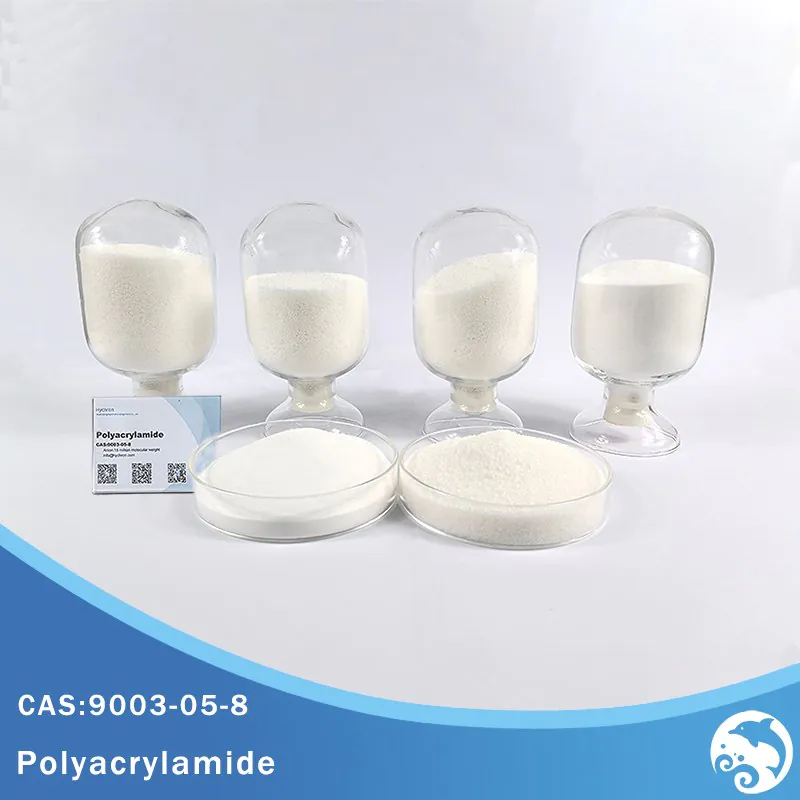
One of the most common questions asked by new polyacrylamide distributors and users is whether polyacrylamide (PAM) is toxic.
This concern is understandable, especially when PAM is used in water treatment and even drinking water purification. Below, we will systematically explain the toxicity, safety standards, and proper use of polyacrylamide.
Is Polyacrylamide Itself Toxic?
According to public information and regulatory opinions, including statements from the US Food and Drug Administration (FDA):
- Polyacrylamide itself is low-toxic or non-toxic
- Water-soluble PAM polymers are considered safe
However, the main source of toxicity does not come from PAM, but from impurities introduced during production.
Where Does Polyacrylamide Toxicity Come From?
The potential toxicity of polyacrylamide mainly comes from two sources:
- Residual acrylamide monomer (AM)
- Trace toxic metals introduced during production
Among them, acrylamide monomer is the primary concern.
Acrylamide is a known neurotoxic substance. Excessive exposure may cause:
- Muscle weakness
- Movement disorders
- Nervous system damage
Therefore, strict regulations are imposed worldwide on residual acrylamide content in PAM products.
International Standards for Residual Acrylamide
Most countries have clear limits on residual acrylamide (AM) in industrial PAM:
- General industrial PAM: 0.5%–0.05%
- Water purification treatment: ≤0.2%
- Drinking water treatment: ≤0.05%
According to the 1985 International Health Organization standard:
- When residual AM ≤0.05%
- PAM dosage is properly controlled
- Acrylamide content in treated water is <0.25 μg/L,
which meets most drinking water standards worldwide.
Currently, Europe and the United States generally require:
- Residual AM ≤0.05%
- Strict dosage control for drinking water and food-related applications
Special Attention to Cationic Polyacrylamide
Cationic polyacrylamide requires extra caution.
Compared with anionic and non-ionic types:
- Amino groups introduced in cationic PAM
- Toxicity may be tens to hundreds of times higher
- Chronic toxicity risks are higher
Therefore, cationic polyacrylamide is generally not recommended for drinking water treatment unless it meets strict food-grade standards.
Safe Dosage Standards in Drinking Water Treatment
Water treatment standards clearly specify PAM dosage limits.
According to the Implementation Manual of Water Supply and Drainage Standards and Specifications:
- Infrequent use: >0.1 mg/L
- Frequent use: <0.1 mg/L
In practical water treatment processes, PAM is mainly used as a coagulation aid, and dosage should remain within these limits.
Practical Application Case
When a water plant uses:
- Food-grade PAM
- Dosage around 0.09 mg/L
- Qualified filtration and effluent control
Testing results show no detectable acrylamide monomer in factory tap water.
This confirms that PAM coagulation technology is safe for drinking water hygiene when product quality and dosage are properly controlled.
Future Outlook of Polyacrylamide in Water Treatment
With increasing water scarcity and rising demand for safe drinking water, the use of polyacrylamide in water treatment is expected to continue expanding.
Data shows that:
- PAM usage in some water supply systems has increased several times over the years
- Application scope includes coagulation, coagulation aid, and filtration aid
- Adding 0.015–0.05 mg/L PAM before filtration can:
- Extend filtration cycles
- Increase production capacity by 10–16%
However, longer filtration cycles may also increase head loss and backwash time, requiring balanced process control.
Conclusion
Polyacrylamide itself is not toxic. The real risk comes from residual acrylamide monomer and improper dosage.
As long as the following conditions are met:
- Food-grade, low-residual PAM is selected
- Residual AM ≤0.05%
- Dosage is strictly controlled
Polyacrylamide can be safely used in drinking water treatment and meets international hygiene standards.


