Skip to content
Sludge dewatering is one of the most expensive operations in municipal wastewater treatment. Disposal costs, energy consumption, and polymer usage directly impact plant operating budgets.
Cationic Polyacrylamide (PAM) is the most widely used polymer for improving sludge dewatering performance in municipal systems. When properly selected and applied, it significantly increases cake solids, reduces sludge volume, and lowers overall treatment costs.
Why Cationic PAM Is Essential for Municipal Sludge
Municipal activated sludge carries a negative surface charge, making cationic PAM the ideal flocculant due to charge neutralization and bridging effects.
Cationic PAM works by:
- Neutralizing negatively charged sludge particles
- Forming large, strong flocs
- Enhancing water release during mechanical separation
For a broader understanding of how PAM functions in wastewater systems, refer to:
👉 How Polyacrylamide Boosts Wastewater Treatment Efficiency
Key Performance Indicators in Sludge Dewatering
When optimizing polymer selection, municipal plants typically monitor:
✔ Cake Solids Content
Typical municipal range:
- 18–25% dry solids (depending on sludge type and equipment)
Higher cake solids mean:
- Less sludge volume
- Lower transport costs
- Reduced landfill or incineration fees
✔ Polymer Consumption
Typical dosage:
- 1–5 kg polymer per ton of dry solids
Correct grade selection reduces overdosing and unnecessary chemical costs.
✔ Filtrate or Centrate Clarity
Poor clarity indicates improper floc formation or incorrect charge density.
Equipment-Specific Optimization
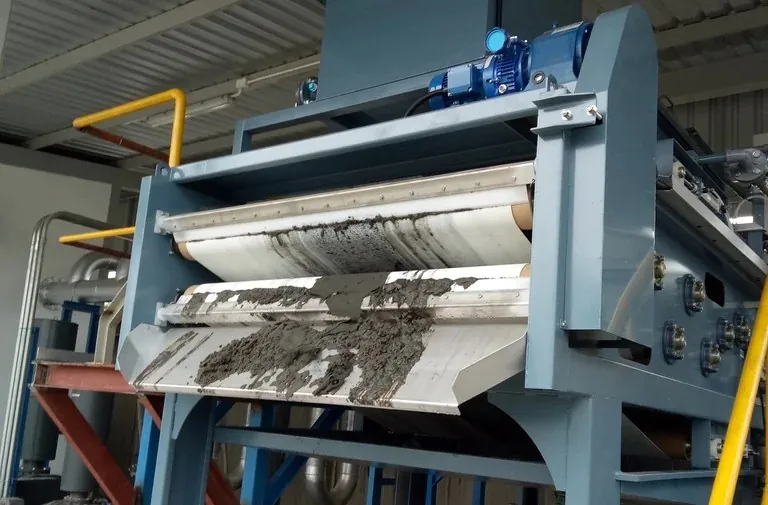
1️⃣ Belt Filter Press
Belt presses require:
- Strong floc structure
- Shear-resistant polymer
- Medium to high molecular weight PAM
Overdosing may cause slippery cake or polymer loss in filtrate.
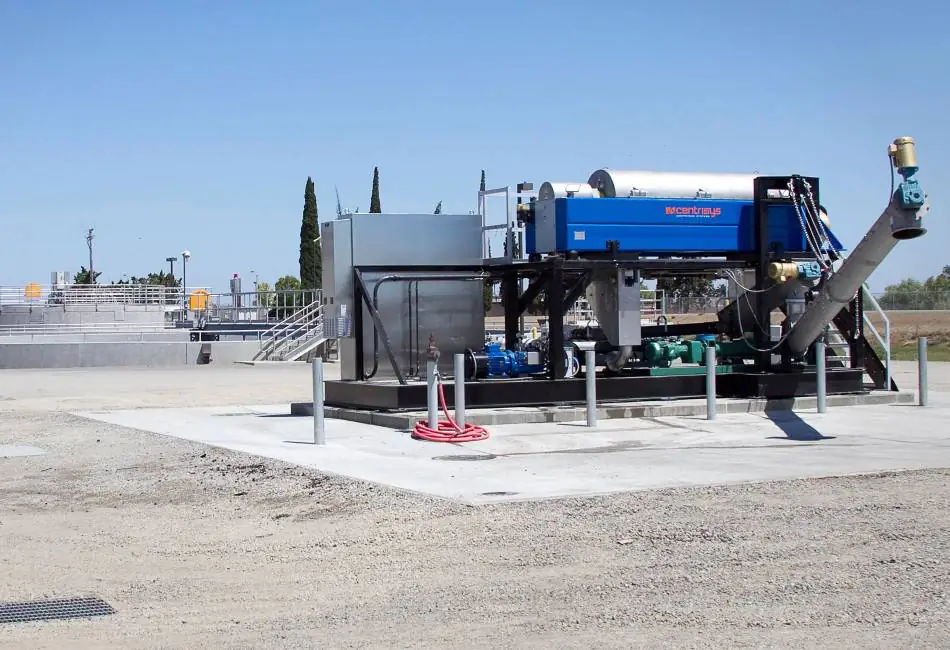
2️⃣ Centrifuge
Centrifuges create high shear forces. Therefore:
- High molecular weight
- Appropriate charge density
- Good shear stability
are critical for maintaining floc integrity.
3️⃣ Screw Press
Screw presses typically operate at lower shear compared to centrifuges, but require:
- Stable floc formation
- Consistent feed concentration
Proper polymer matching improves solids capture and cake structure.
For guidance on selecting the correct polymer grade, see:
👉 Choosing the Right PAM Grade for Your Industry
Common Operational Problems — And How to Fix Them
| Problem | Possible Cause | PAM Adjustment |
|---|---|---|
| Low cake solids | Low molecular weight | Increase MW |
| High polymer consumption | Incorrect charge density | Adjust cationic degree |
| Cloudy centrate | Under-dosing or poor mixing | Optimize dosage and preparation |
| Floc breakdown | Shear sensitivity | Use higher shear-resistant grade |
Polymer Preparation Best Practices
Improper preparation is one of the most overlooked causes of poor performance.
Recommended parameters:
- Solution concentration: 0.1–0.3%
- Mixing time: 30–45 minutes
- Aging time: minimum 30 minutes before use
- Use solution within 4 hours
Inadequate hydration leads to incomplete activation and reduced floc strength.
Cost Impact of Proper Optimization
Even small improvements in cake dryness can produce significant savings.
For example:
If a plant processes 20 tons of dry solids per day, and cake solids increase from 20% to 23%, sludge volume is reduced proportionally — lowering transport and disposal expenses.
Polymer optimization is often one of the fastest-return operational adjustments available to municipal plants.
When Should a Plant Reevaluate Its Polymer Program?
Consider reviewing your polymer strategy if:
- Disposal costs are rising
- Cake solids are inconsistent
- Seasonal influent variations affect performance
- Equipment upgrades have been installed
Polymer performance should be reassessed periodically — not only when problems arise.
Why Polymer Selection Should Not Be Price-Driven Alone
Choosing polymer solely based on price per kilogram can increase total operating cost.
A slightly higher-performance polymer that:
- Reduces dosage
- Increases cake solids
- Improves filtrate clarity
often delivers lower overall treatment cost.
Conclusion
Cationic PAM is a critical component of municipal sludge dewatering systems. When properly selected and optimized, it:
- Increases cake solids (18–25% typical range)
- Reduces sludge disposal costs
- Improves mechanical dewatering efficiency
- Enhances operational stability
Municipal facilities that treat polymer selection as a strategic optimization tool — rather than a routine purchase — consistently achieve better performance and lower long-term costs.
If your sludge dewatering performance is inconsistent or disposal costs continue to rise, a polymer evaluation may reveal significant optimization opportunities.