
Written by the HyChron Technical Team — water treatment specialists with over 15 years of field experience in municipal and industrial systems. Last reviewed: April 2026
Beverage manufacturing has two distinct water treatment challenges: producing water pure enough to go into the product, and treating the wastewater produced by the manufacturing process before it can be discharged.
Both challenges demand reliable, consistent chemical performance. A coagulant that performs inconsistently on the intake side risks product quality. One that underperforms on the effluent side risks regulatory non-compliance.
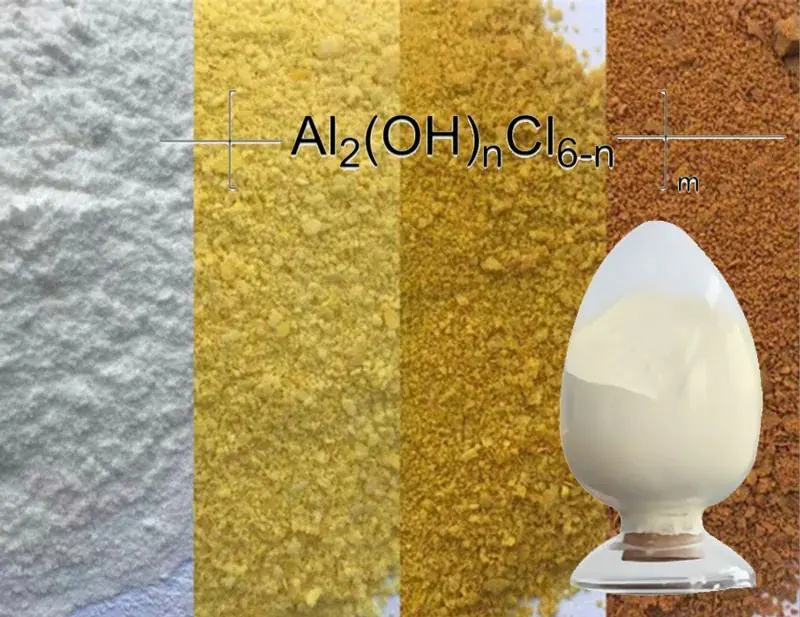
PAC (Poly Aluminum Chloride) is widely used in beverage industry water treatment for both applications — as a primary coagulant in source water clarification and as a key chemical in effluent treatment systems. This guide covers how PAC performs in both roles and how to apply it effectively.
Operating a beverage facility and looking to improve water treatment reliability? Contact our technical team for a free assessment and PAC recommendation.
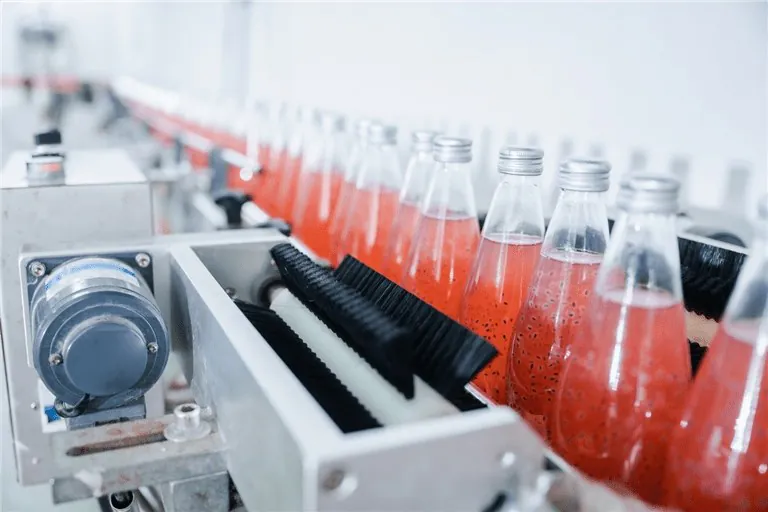
Application 1 — Source Water Clarification for Production
Beverage manufacturers require process water that meets strict clarity, taste, and microbiological standards. Most municipal water sources require additional treatment before use in beverage production — and facilities using surface water or groundwater sources need even more rigorous clarification.
PAC is used in source water pre-treatment to remove:
- Turbidity and suspended particles
- Colloidal organic matter that affects taste and odor
- Color compounds from natural organic matter
- Algae and microbial aggregates (in combination with disinfection)
Its wide pH operating range (5.0–9.0) and consistent cold-water performance make PAC a reliable choice for beverage facilities that need stable, high-quality process water year-round regardless of seasonal source water variation.
For drinking water treatment applications and WHO residual aluminum standards: PAC in Municipal Drinking Water Treatment
Application 2 — Beverage Effluent Treatment
Beverage production generates wastewater from rinsing, cleaning, syrup spills, bottle washing, and CIP (clean-in-place) cycles. This effluent is characterized by:
- High BOD and COD — from sugars, syrups, and organic residues
- Suspended solids — from fruit pulp, grain particles, and labeling materials
- Variable pH — from acidic carbonated beverage residues and alkaline CIP cleaning
- Color — from fruit juices, colorants, and caramel compounds
- Moderate FOG — from dairy-based beverages and some flavoring systems
PAC effectively removes suspended solids, colloidal COD, color, and phosphorus from beverage effluent — reducing the load on downstream biological treatment and helping facilities meet discharge standards.
Why PAC Is the Right Choice for Beverage Operations
Handles pH variability without pre-adjustment. CIP cleaning cycles produce strong alkaline surges (pH > 10) followed by acidic product rinses (pH < 5). PAC’s effective range of pH 5.0–9.0 handles the majority of this variability, though extreme pH spikes may require neutralization before dosing.
Fast floc formation. Beverage production often runs on tight shift schedules. PAC’s rapid floc formation means that treatment responses to production changes — including end-of-run cleaning cycles that dramatically change effluent composition — are faster than with alum, reducing the risk of compliance exceedances during transition periods.
Low residual aluminum. In source water clarification applications for beverage production, minimizing residual chemicals in treated water is critical. PAC’s lower dosage requirement and more complete reaction produce lower residual aluminum levels than alum — supporting product quality and compliance with food-grade water standards.
Lower sludge production. PAC produces 30–50% less sludge than alum at equivalent treatment performance. For beverage facilities processing large volumes of water daily, this reduction has a direct impact on sludge handling costs.
Dosage Guidelines
| Beverage Application | Typical PAC Dosage |
|---|---|
| Source water clarification (low turbidity) | 5–20 mg/L |
| Source water clarification (moderate turbidity) | 15–35 mg/L |
| General beverage effluent treatment | 20–50 mg/L |
| High-sugar effluent (soft drinks, juice) | 30–70 mg/L |
| Dairy-based beverage effluent | 25–60 mg/L |
| Brewery and fermentation effluent | 30–80 mg/L |
Jar testing (ASTM D2035) is required to confirm optimal dosage for your specific water source and effluent characteristics.
Dosing Procedure
- Source water: dose at the flash mixing zone ahead of clarification; G-value 200–400 s⁻¹ for 30–60 seconds, followed by slow-mix flocculation at G-value 20–60 s⁻¹ for 15–30 minutes
- Effluent treatment: same flash mixing approach; adjust dosage based on online turbidity or COD monitoring at the clarifier outlet
- DAF systems: dose PAC upstream of the DAF inlet with sufficient contact time for micro-floc formation before flotation
Integration with Beverage Treatment Systems
Clarifier-based systems. PAC’s fast-settling, dense flocs improve clarifier performance, increasing throughput from existing equipment without capital upgrades.
DAF systems. PAC significantly improves DAF performance for removal of emulsified FOG and fine suspended solids in high-BOD beverage effluent — particularly for dairy beverage and juice processing operations.
Pre-treatment before biological treatment. By removing suspended and colloidal COD in the physical-chemical stage, PAC reduces the organic load on aerobic or anaerobic biological systems — improving their stability and reducing energy consumption.
For broader guidance on PAC in food and beverage sector wastewater: PAC for Food Processing Wastewater Treatment
Frequently Asked Questions
Is PAC safe for use in source water treatment for beverage production?
Yes, when sourced from a certified supplier and used within regulatory dosage limits. PAC for food-contact water applications should comply with NSF/ANSI 60 or equivalent local food-grade chemical standards. Our PAC products are available with full regulatory documentation for food and beverage applications.
How does PAC perform during high-volume CIP cleaning cycles?
CIP cycles produce surges of high-BOD, high-pH effluent that challenge coagulation systems. PAC handles this better than alum due to its wider pH tolerance and faster floc formation. For best results, consider real-time online monitoring with automatic PAC dose adjustment during CIP events.
Can PAC handle the color from fruit juices and caramel colorants?
PAC achieves moderate color reduction for natural fruit pigments and caramel compounds — typically 40–70% depending on the colorant type and concentration. For heavily colored effluent from juice processing, combining PAC with activated carbon adsorption or oxidation as a polishing step may be needed to meet strict color discharge limits.
Conclusion
PAC is a reliable and cost-effective coagulant for both source water clarification and effluent treatment in the beverage industry. Its wide pH tolerance, fast floc formation, lower dosage requirement, and reduced sludge production make it well suited to the variable water quality conditions that beverage manufacturing operations produce.
Whether your priority is process water quality, effluent compliance, or reducing chemical and sludge handling costs, PAC delivers consistent results that traditional coagulants like alum cannot match at equivalent doses.
Contact our technical team today for a free water assessment, PAC product samples with full COA documentation, and a dosage recommendation for your beverage facility. We respond within 24 hours.