Skip to content
High-fluoride wastewater is common in semiconductor and etching industries. Fluoride discharge limits are extremely strict.
Treatment Challenge
- Fluoride concentration >10 mg/L
- Limited biological removal options
- Requires chemical precipitation
Chemical Mechanism of PAC
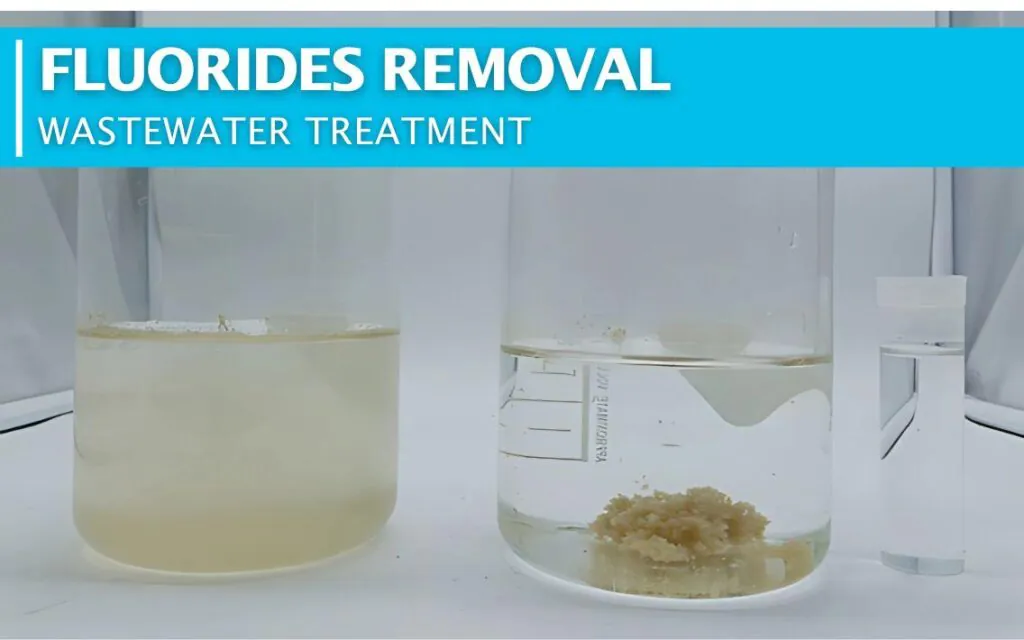
PAC releases Al³⁺ ions, which react with fluoride to form AlF₃ precipitate, enabling effective removal.
Results:
- Fluoride reduced from 14.6 mg/L to 0.4–1.0 mg/L
- Meets drinking water standards
Operational Considerations
- Precise dosage control
- pH optimization is critical
- Sludge handling must be managed
Conclusion
PAC is one of the most reliable solutions for high-fluoride wastewater. Its chemical reaction mechanism ensures compliance with strict discharge standards.