Skip to content
The aquaculture industry faces significant challenges in managing wastewater rich in organic matter, suspended solids, ammonia, and phosphorus. Proper treatment is essential not only for regulatory compliance but also for sustainable and environmentally responsible fish and shrimp farming operations.
Using Polyaluminium Chloride (PAC) and Polyacrylamide (PAM) together provides a highly effective and economical solution for aquaculture wastewater treatment.
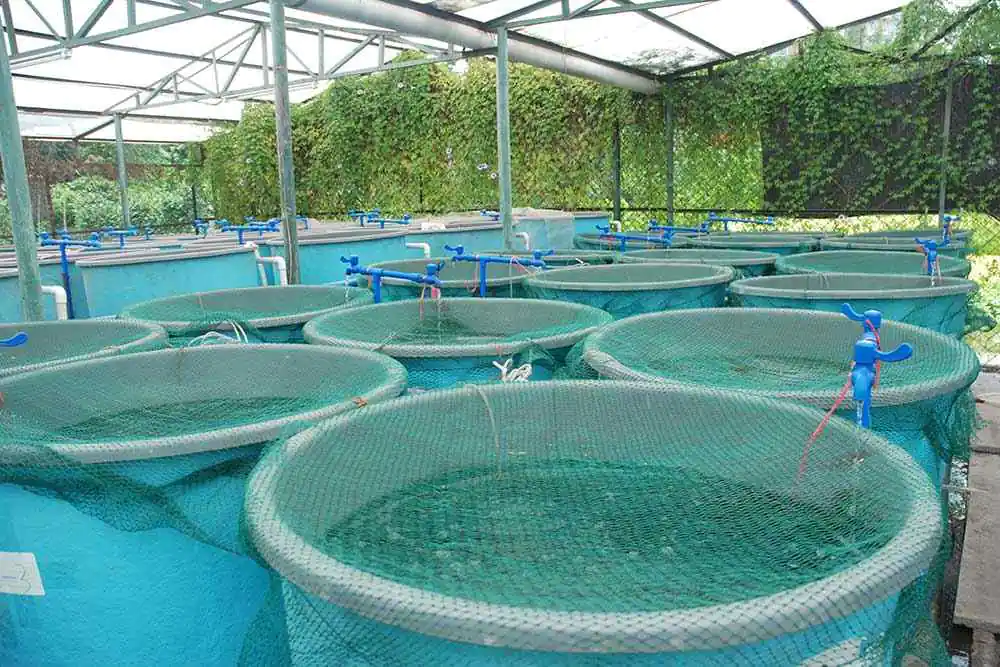
Understanding Aquaculture Wastewater
Wastewater from aquaculture farms typically contains:
- High levels of suspended solids (fish waste, uneaten feed)
- Elevated nitrogen and phosphorus levels causing eutrophication
- Organic matter that reduces dissolved oxygen
- Potential pathogens and harmful microorganisms
Without proper treatment, these pollutants can severely impact surrounding water bodies and aquatic ecosystems.
Our Core Products for Aquaculture Treatment
1. Polyaluminium Chloride (PAC) – High-Performance Coagulant
PAC is a highly efficient inorganic polymer coagulant. It works by:
- Neutralizing negative charges on suspended particles
- Destabilizing colloids
- Forming micro-flocs through rapid coagulation
Key Advantages for Aquaculture:
- Effective across a wide pH range
- Excellent phosphorus removal performance
- Lower sludge production compared to traditional alum
- Improved water clarity
PAC plays a crucial role in the initial stage of contaminant removal.
2. Polyacrylamide (PAM) – Powerful Flocculant
After coagulation, Polyacrylamide (PAM) is added as a flocculant.
PAM functions by:
- Creating polymer bridges between micro-flocs
- Forming large, dense flocs
- Accelerating solid-liquid separation
Key Advantages for Aquaculture:
- Faster settling speed
- Clearer supernatant water
- Reduced sludge volume
- Available in anionic and cationic grades to match wastewater characteristics
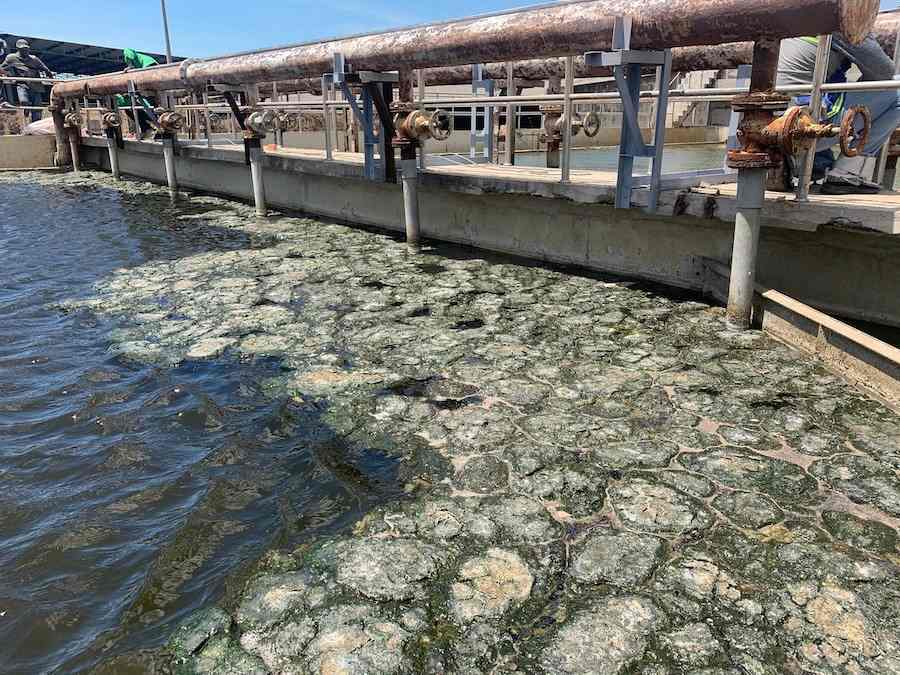
The Synergistic PAC + PAM Treatment Process
The combination of PAC and PAM creates a powerful treatment system:
Step 1: Coagulation
PAC is rapidly mixed into wastewater to destabilize fine particles.
Step 2: Flocculation
PAM is gently mixed to form large, settleable flocs.
Step 3: Sedimentation
Heavy flocs settle at the bottom, leaving clarified water on top.
Step 4: Sludge Handling
Settled sludge is dewatered to reduce disposal costs.
This integrated process ensures efficient removal of suspended solids, nutrients, and organic contaminants.
Why Choose Our Aquaculture Water Treatment Chemicals?
Proven Industry Expertise
We understand the unique wastewater challenges in fish and shrimp farming.
Complete Product Range
We supply:
- Various grades of Polyaluminium Chloride (PAC)
- Anionic, cationic, and nonionic Polyacrylamide (PAM)
Technical Support
Our specialists provide:
- Product selection guidance
- Jar testing recommendations
- Dosage optimization support
Consistent Quality
All products are manufactured under strict quality control to ensure stable and reliable performance.
Optimize Your Aquaculture Water Management
By using high-quality PAC and PAM, aquaculture operators can:
- Improve water clarity
- Reduce nutrient discharge
- Enhance sustainability
- Lower operational costs
Contact us today for expert consultation and customized coagulant and flocculant solutions tailored to your aquaculture system.