
Polyester chemical wastewater is known for its extremely high organic load and complex composition. Without proper pretreatment, biological systems such as UASB or aerobic tanks often fail.
PAC is commonly used as a front-end chemical pretreatment agent to stabilize wastewater quality.
Wastewater Characteristics
- COD up to 30,000 mg/L
- Contains terephthalic acid and ester compounds
- Poor biodegradability
- High colloidal stability
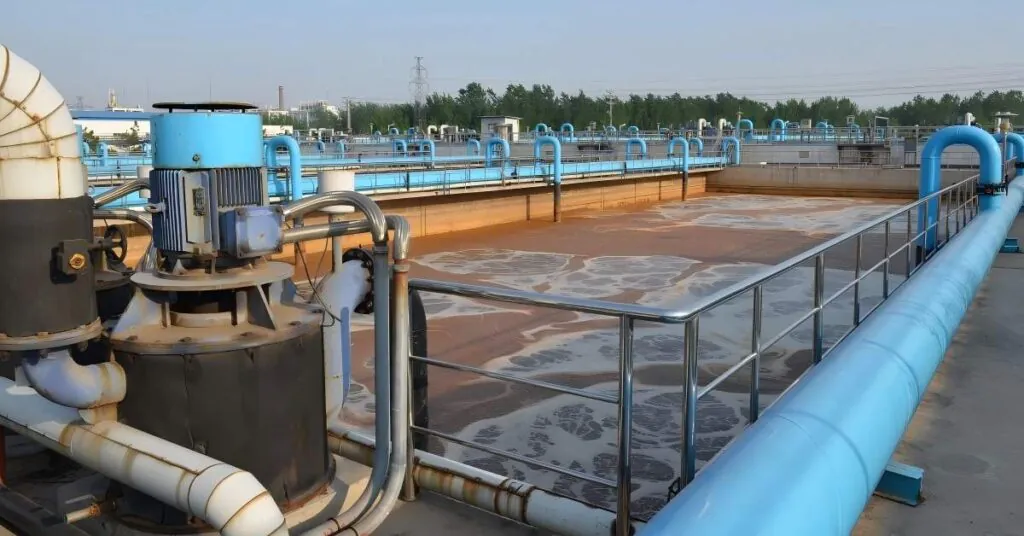
Role of PAC in Pretreatment
PAC primarily functions to:
- Neutralize colloidal surface charges
- Break stable emulsions
- Improve solid–liquid separation
When combined with PAM, PAC achieves an initial COD reduction of about 40%, significantly lowering the load on downstream processes.
Integration with Other Processes
After PAC coagulation:
- Iron–carbon micro-electrolysis becomes more efficient
- UASB anaerobic systems start faster and operate more stably
- Sludge settleability improves
Practical Dosing Guidance
- Typical dosage: 0.3–0.5‰
- Best used before advanced oxidation or anaerobic treatment
- Avoid overdosing to prevent aluminum accumulation
Conclusion
PAC is not designed to fully treat polyester wastewater, but it is essential in creating suitable conditions for advanced treatment. Its role in pretreatment directly determines the success of the entire system.