Skip to content
Clean drinking water depends on effective treatment chemicals that remove impurities without creating health risks. Polyaluminium Chloride (PAC) is one of the most widely used coagulants in municipal water treatment plants. Many people know PAC works well, but questions often focus on one key issue: Is PAC safe for drinking water?
To answer this, we need to look at both performance and safety control.
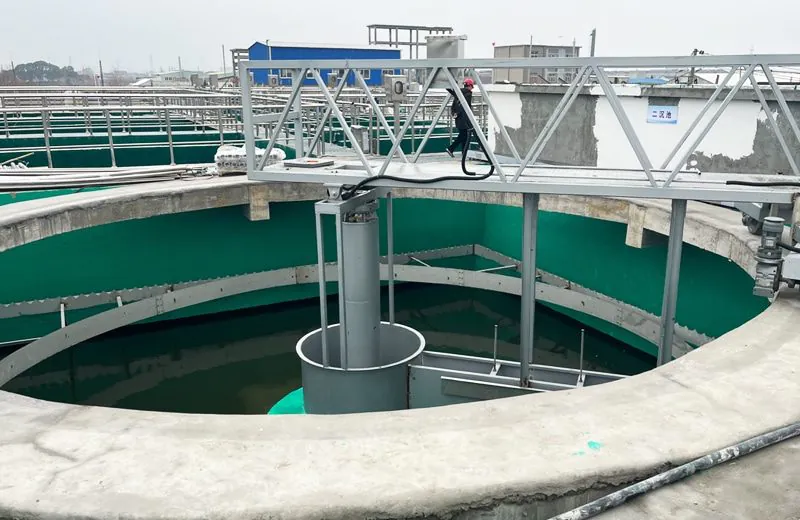
Why PAC Is Effective in Drinking Water Treatment
Raw water from rivers, lakes, and reservoirs contains suspended solids, colloids, microorganisms, and natural organic matter. Many of these particles are extremely small and carry negative electrical charges, which keep them stable in water and difficult to remove by simple settling.
When PAC is added to raw water, it releases positively charged aluminum species. These positively charged components neutralize the negative charges on particles. Once the charge is neutralized, particles can come together and form larger clusters known as flocs.
As flocs grow bigger and heavier, they settle during sedimentation or are removed by filtration. This process significantly reduces turbidity and improves water clarity.
PAC is also helpful in removing part of the natural organic matter in water. Organic substances can cause color, odor, and taste problems. More importantly, they may react with disinfectants such as chlorine and form unwanted by-products. By removing part of this organic load before disinfection, PAC helps improve overall drinking water safety.
In surface water sources affected by algae, PAC is especially valuable. It helps remove algae cells and related organic compounds, making downstream filtration and disinfection more stable.
What Happens to Aluminum After Treatment?
One common concern is whether aluminum from PAC remains in drinking water. In practice, most aluminum introduced through PAC becomes part of the flocs and is removed during sedimentation and filtration.
Only a very small residual amount may remain in treated water. This level is carefully controlled and monitored by water treatment plants.
Strict Control of PAC Dosage
PAC is not added randomly. Dosage is carefully determined through jar testing and ongoing water quality monitoring. Operators adjust dosing based on turbidity, organic content, temperature, and pH.
Regulatory authorities in different countries set guideline limits for residual aluminum in drinking water. Treatment plants must operate within these limits. When PAC is used correctly, residual aluminum levels are typically far below maximum allowed values.
Quality Standards for Drinking Water Grade PAC
PAC used for drinking water is not the same as low-grade industrial material. Drinking water grade PAC must meet strict purity requirements. Manufacturers follow controlled production processes to reduce impurities such as heavy metals and insoluble matter.
Products are tested regularly to confirm aluminum content, basicity, and impurity levels. Many suppliers also provide third-party test reports to verify product quality.

Ongoing Monitoring in Water Treatment Plants
Safety does not rely only on chemical quality. Water treatment plants also perform routine testing on treated water. Parameters such as turbidity, pH, residual aluminum, and microbial indicators are checked frequently.
If any parameter moves outside the target range, operators immediately adjust chemical dosing or treatment conditions. This continuous monitoring ensures treated water remains safe for public supply.
PAC: Effective and Safe When Properly Managed
PAC plays a key role in modern drinking water treatment. It removes particles, reduces organic matter, improves filtration, and supports stable disinfection. At the same time, strict production standards, regulated dosage, and continuous water quality monitoring ensure safety.
For municipalities and water treatment contractors, selecting high-quality PAC and applying it under controlled conditions is the foundation of reliable drinking water treatment.
Looking for certified drinking water grade PAC with stable performance? Contact our technical team for product specifications, test reports, and application guidance tailored to your water source.