
Written by the HyChron Technical Team — water treatment specialists with over 15 years of field experience in municipal and industrial systems. Last reviewed: April 2026 | Reading time: ~5 minutes
Textile manufacturing produces some of the most challenging wastewater in any industry. High concentrations of synthetic dyes, surfactants, and chemical auxiliaries combine with variable pH and large daily flow volumes to create an effluent that is difficult and expensive to treat.
Discharge standards for textile effluent are tightening globally — particularly for color and COD — and plants that rely on conventional treatment alone are increasingly finding themselves out of compliance.
Poly Aluminum Chloride (PAC) is one of the most effective coagulants available for textile wastewater treatment. Its ability to destabilize dye molecules and colloidal organic matter makes it a practical first-line treatment for plants that need to reduce color, COD, and suspended solids before discharge or further biological treatment.
Running a textile facility and struggling with effluent compliance? Contact our technical team for a free assessment and PAC recommendation based on your actual effluent data.
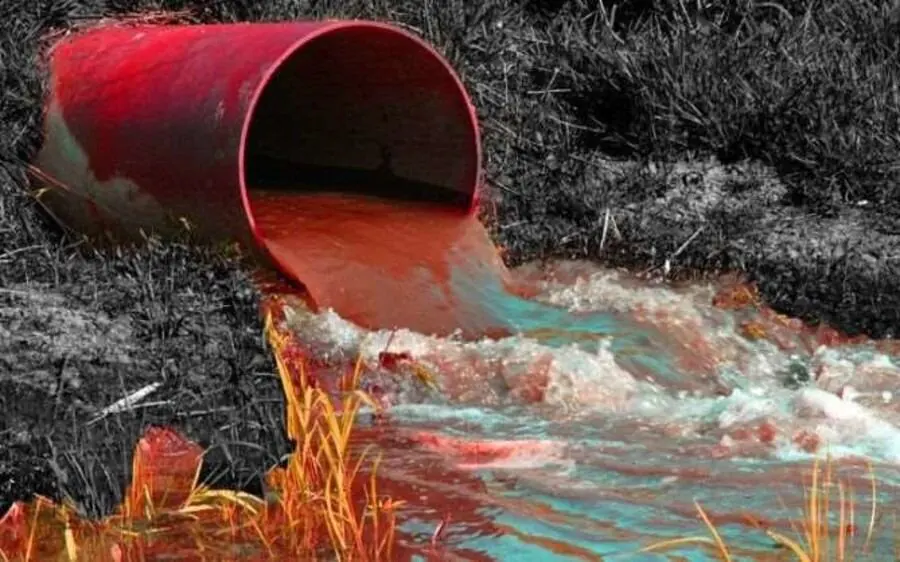
Why Textile Wastewater Is Difficult to Treat
Textile effluent contains a complex mixture of contaminants:
- Reactive and disperse dyes — highly stable in water, resistant to biological degradation
- Surfactants and emulsifiers — stabilize colloidal particles and resist natural settling
- Sizing agents and finishing chemicals — contribute to high COD loads
- Heavy metals — from mordants and metallic dyes used in certain dyeing processes
- High pH variability — alkaline scouring and acidic dyeing steps create wide pH swings within a single production cycle
The result is an effluent that is visually contaminated (high color), chemically loaded (high COD), and physically stable (resistant to settling without chemical intervention).
How PAC Removes Color and COD in Textile Effluent
PAC works through two complementary mechanisms that are particularly effective against textile contaminants:
Charge neutralization. Most synthetic dye molecules and colloidal particles in textile effluent carry negative surface charges. PAC releases positively charged aluminum species that neutralize these charges, destabilizing dye-particle complexes and allowing them to aggregate.
Sweep flocculation. At appropriate PAC doses, aluminum hydroxide precipitates form a voluminous floc that physically entraps dye molecules, fine fibres, and colloidal organic matter as it settles — removing contaminants that charge neutralization alone does not capture.
Together, these mechanisms achieve significant reductions in:
- Color (ADMI or Pt-Co units) — typically 70–90% removal depending on dye type and dosage
- COD — 40–70% removal of colloidal COD fraction
- TSS — 80–95% removal
- Turbidity — 85–95% removal
Dosage Guidelines for Textile Wastewater
Textile effluent requires higher PAC dosages than municipal water treatment due to high contaminant concentrations and the chemical stability of synthetic dyes.
| Effluent Type | Typical PAC Dosage |
|---|---|
| General textile wastewater | 50–150 mg/L |
| High-color dyeing effluent | 100–200 mg/L |
| Mixed textile and finishing effluent | 60–120 mg/L |
| Pre-treatment before biological stage | 40–80 mg/L |
Key Dosing Considerations
pH adjustment before dosing. PAC performs best in the pH range of 5.0–9.0, but for color removal specifically, slightly acidic conditions (pH 5.5–7.0) often yield better results. If your effluent is strongly alkaline from scouring steps, a moderate pH adjustment before PAC addition can significantly improve color removal efficiency.
Rapid mixing is critical. Textile effluent contains surfactants that can interfere with floc formation if PAC is not dispersed rapidly and uniformly. Flash mixing at G-value 300–500 s⁻¹ for 30–60 seconds immediately after dosing is recommended.
Combine with PAM for improved settling. PAC handles charge neutralization and initial floc formation. Adding a small dose of anionic PAM during the slow-mix flocculation stage bridges the small PAC flocs into larger, denser aggregates that settle faster and produce less carry-over into downstream treatment.

Integration with Textile Wastewater Treatment Systems
Standalone Physical-Chemical Treatment
For plants that do not have biological treatment, PAC-based coagulation-flocculation followed by sedimentation or DAF can achieve effluent quality sufficient for discharge in many jurisdictions — particularly for TSS and color parameters.
Pre-treatment Before Biological Treatment
PAC is highly effective as a pre-treatment step ahead of biological (activated sludge or SBR) systems. By removing the majority of color, COD, and suspended solids in the physical-chemical stage, PAC reduces the load on biological treatment — improving its stability, reducing aeration energy, and protecting the biological culture from toxic dye compounds.
DAF Systems
PAC is fully compatible with dissolved air flotation systems. In DAF applications, PAC addition ahead of the flotation unit significantly improves removal of fine fibres, dye particles, and emulsified oils — contaminants that are difficult to remove by DAF alone.
Meeting Textile Discharge Standards
Discharge standards for textile effluent vary by country but typically include limits on:
- Color (ADMI, Pt-Co, or visual standards)
- COD and BOD
- TSS
- pH
- Heavy metals (in metallic dye applications)
PAC treatment directly addresses color, TSS, and a significant portion of COD — the parameters most commonly cited in compliance failures for textile plants. For heavy metal removal, PAC at controlled pH (8.0–9.0) can co-precipitate certain metals, though dedicated metal precipitation steps may be required for strict limits.
For background on how PAC compares to other coagulants for industrial applications: PAC for Industrial Wastewater Treatment
Frequently Asked Questions
Can PAC remove all types of textile dyes?
PAC is most effective against reactive dyes, direct dyes, and disperse dyes — the most commonly used dye classes in textile manufacturing. It is less effective against certain vat dyes and sulfur dyes, which may require additional treatment steps such as oxidation or adsorption. Jar testing with your specific effluent will confirm removal rates for your dye mix.
How much will PAC reduce my color readings?
Typically 70–90% color reduction is achievable with optimized PAC dosing and pH control. The exact reduction depends on dye type, concentration, and whether PAM is used in combination. Our technical team can provide reference data for your specific dye classes.
Will PAC addition increase my sludge disposal costs?
PAC sludge from textile treatment contains dye-loaded flocs and must be handled according to local hazardous waste regulations. However, PAC produces 30–50% less sludge than alum at equivalent performance levels, reducing disposal volume. Proper sludge characterization is recommended before disposal.
Conclusion
PAC is one of the most practical and cost-effective solutions for textile wastewater treatment. Its ability to remove color, COD, and suspended solids across variable pH conditions — combined with lower dosage and sludge production than alum — makes it a strong choice for textile facilities facing tightening discharge standards.
Whether used as standalone physical-chemical treatment or as pre-treatment ahead of biological systems, PAC delivers consistent, controllable results that alum and other traditional coagulants cannot match at equivalent doses.
Contact our technical team today for a free effluent assessment, PAC product samples, and a dosage recommendation for your textile wastewater. We respond within 24 hours.