
Written by the HyChron Technical Team — water treatment specialists with over 15 years of field experience in municipal and industrial systems. Last reviewed: April 2026 | Reading time: ~5 minutes
Alum (aluminum sulfate) has been used in water treatment for over a century. It works — but that does not mean it is still the best option available.
Poly Aluminum Chloride (PAC) has largely replaced alum in modern treatment plants worldwide, and for good reason. The two chemicals share the same basic function — coagulation — but differ significantly in how efficiently they perform it, and what they cost to operate.
This article gives you a direct, data-based comparison so you can make the right choice for your system.
Not sure which coagulant fits your water source? Contact our technical team for a free recommendation based on your actual water quality data.
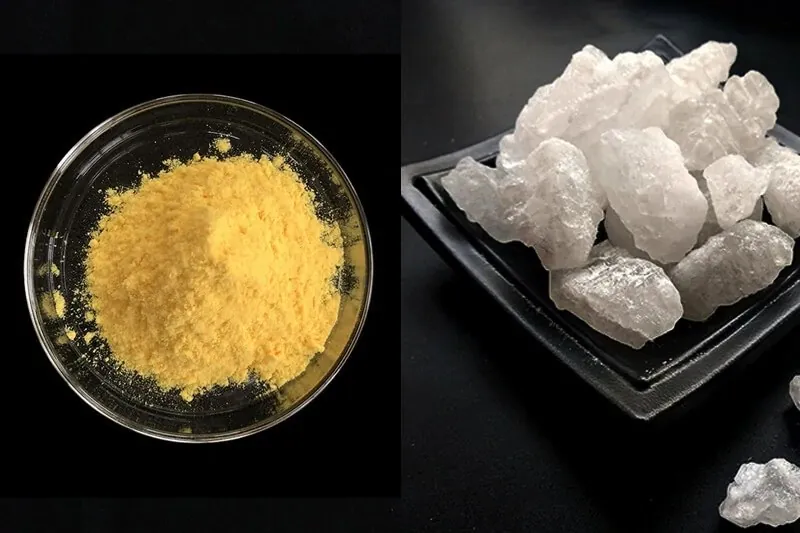
What They Have in Common
Both PAC and alum are aluminum-based inorganic coagulants. Both work by introducing positively charged aluminum species into water to neutralize the negative surface charges on colloidal particles, allowing them to aggregate and settle.
The difference is in how they do it — and how efficiently.
Head-to-Head Comparison
| Parameter | PAC | Alum (Al₂(SO₄)₃) |
|---|---|---|
| Effective pH range | 5.0–9.0 | 6.5–7.5 |
| Dosage required | 30–50% lower | Baseline |
| Sludge production | 30–50% less | Baseline |
| Floc formation speed | Fast | Slow–moderate |
| Cold-water performance | Stable below 10°C | Degrades significantly |
| Residual aluminum | Lower | Higher |
| Equipment corrosivity | Low | High (SO₄²⁻) |
| Unit cost per kg | Higher | Lower |
| Total cost per m³ treated | Lower | Higher |
Where PAC Wins
pH Flexibility
Alum requires a narrow pH window of 6.5–7.5 for effective coagulation. Outside this range, performance drops sharply and auxiliary chemicals are needed to adjust pH before dosing.
PAC operates reliably from pH 5.0 to 9.0. For plants treating variable-quality source water — rivers, industrial influent, or seasonal groundwater — this flexibility eliminates the need for pH pre-adjustment and reduces auxiliary chemical costs.
Dosage and Sludge
PAC is pre-polymerized, meaning its active aluminum species are already formed before they enter the water. This allows PAC to react faster and more completely than alum at a lower dose — typically 30–50% less by weight.
Less coagulant dosed means less residual solids in the sludge stream. PAC consistently produces 30–50% less sludge volume per cubic meter treated. For plants where sludge dewatering and disposal represent a significant operating cost, this reduction has an immediate and measurable impact on the budget.
Cold-Water Stability
Below 10°C, alum hydrolysis slows significantly. Flocs become smaller and lighter, settling slows, and operators must increase dosage — sometimes substantially — just to maintain acceptable effluent quality.
PAC does not depend on in-situ hydrolysis to the same degree. Its pre-polymerized chains remain active at low temperatures, delivering stable coagulation performance year-round without seasonal dosage spikes.
Residual Aluminum Control
Higher alum dosage means more aluminum entering the sludge and the treated water. For drinking water applications, keeping residual aluminum below the WHO guideline of 0.1–0.2 mg/L requires careful control — and higher alum doses make this harder.
PAC, dosed at lower rates with more complete reaction, achieves lower residual aluminum more consistently and with less operator intervention.

Where Alum Still Makes Sense
Alum is not without merit. It costs less per kilogram, is widely available globally, and in simple, stable treatment scenarios — low flow, consistent pH, warm water, minimal sludge handling requirements — it can be a workable choice.
If your plant has very low throughput, minimal regulatory pressure, and sludge disposal is not a cost driver, alum may remain adequate. But for most modern treatment operations, these conditions are the exception rather than the rule.
The Real Cost Comparison
The unit price of PAC is higher. This is the most common reason plants hesitate to switch. But cost-per-kilogram is not the same as cost-per-cubic-meter-treated.
When the full cost picture is considered:
- Lower dosage volume reduces chemical purchase cost per m³
- Less sludge reduces dewatering, transport, and disposal cost
- No pH adjustment chemicals reduces auxiliary chemical spend
- Less equipment corrosion reduces maintenance and replacement cost
- Faster settling can increase plant throughput without capital upgrades
Most plants that make the switch find that PAC’s total treatment cost per cubic meter is lower than alum — and the payback period on the unit price difference is typically measured in weeks, not months.
Which Should You Choose?
For the vast majority of water treatment applications — municipal drinking water, industrial wastewater, textile effluent, mining, food processing — PAC is the better choice on every meaningful operational metric except unit purchase price.
If you are currently using alum and experiencing any of the following, switching to PAC is worth evaluating immediately:
- Sludge volumes are high and disposal costs are rising
- Cold-weather performance is inconsistent
- pH fluctuations are causing coagulation instability
- Residual aluminum is difficult to control within regulatory limits
- Equipment corrosion is increasing maintenance frequency
Frequently Asked Questions
Can I switch from alum to PAC without changing my dosing equipment?
In most cases, yes. Standard coagulant dosing pumps handle PAC without modification. You will need to recalibrate dosage rates and conduct jar testing before going live on the new chemical.
Will PAC work in my existing clarifier?
Yes. PAC’s faster floc formation and settling speed are compatible with standard clarifier designs — and often improve performance in existing equipment without any modifications.
Is PAC approved for drinking water use?
Yes, in most countries. PAC used in drinking water applications must comply with local standards such as NSF/ANSI 60, and residual aluminum must meet WHO or national regulatory limits.
Conclusion
PAC outperforms alum on dosage efficiency, sludge production, pH flexibility, cold-water stability, and total treatment cost per cubic meter. For most water treatment plants, it is the more practical and cost-effective coagulant — and switching is simpler than most operators expect.
Contact our technical team today for a free PAC vs alum cost comparison for your plant, product samples, and a dosage recommendation based on your water data. We respond within 24 hours.