Skip to content
Providing clean and safe drinking water is essential for public health. Advances in water treatment chemicals have helped improve water quality worldwide. One important development is the growing use of Poly Aluminum Chloride (PAC) as a replacement for traditional coagulants like alum (aluminum sulfate).
This shift is driven by PAC’s higher treatment efficiency and lower residual aluminum levels, making it a safer and more reliable option for drinking water purification.
The Challenges of Traditional Coagulants
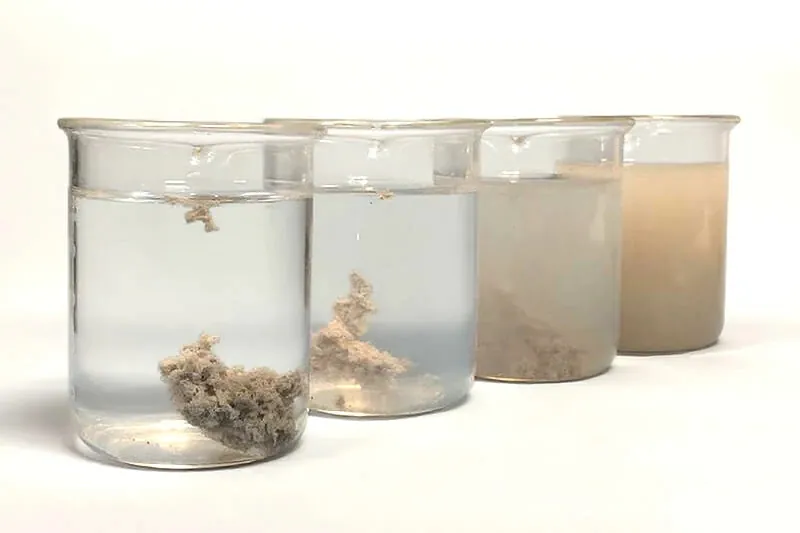
For decades, alum has been widely used in water treatment plants. It helps coagulate suspended particles so they can be removed from water. While alum is effective, it has several limitations.
One major concern is the residual aluminum left in treated water. Long-term exposure to elevated aluminum levels has raised health concerns. In addition, alum often produces large amounts of sludge, increasing the burden of sludge treatment and disposal.
As water quality standards become stricter and public health awareness increases, treatment facilities are seeking safer and more efficient alternatives.
PAC: A More Efficient and Safer Coagulant
Poly Aluminum Chloride (PAC) is a pre-hydrolyzed aluminum coagulant that reacts more efficiently in water. Because of this, PAC typically requires a lower dosage than alum to achieve the same or better treatment results.
PAC works quickly to destabilize particles and form flocs. This leads to:
- Faster impurity removal
- Lower chemical consumption
- Reduced risk of overdosing
PAC also performs well under changing water conditions, such as variations in temperature and pH. This stability ensures more consistent treatment performance.
Lower Residual Aluminum for Safer Drinking Water
One of PAC’s most important advantages is its ability to leave lower residual aluminum levels in treated water. This directly addresses health concerns associated with long-term aluminum exposure.
By improving coagulation efficiency, PAC removes more impurities while leaving behind fewer dissolved aluminum traces. This helps water treatment plants meet stricter drinking water quality standards and improve consumer confidence in tap water safety.
Reduced Sludge Production
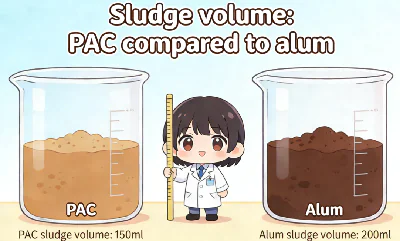
Sludge management is a major operational issue in water treatment plants. Alum-based treatment often produces high sludge volumes, which require additional handling, transportation, and disposal.
PAC generates less sludge, which brings several benefits:
- Lower sludge disposal costs
- Reduced environmental impact
- Less water loss during sludge processing
This makes PAC a more sustainable solution for modern drinking water facilities aiming to reduce waste and operating expenses.
Easier Compliance with Drinking Water Standards
Drinking water treatment chemicals must meet strict safety regulations. Many regions now have tighter limits on allowable residual aluminum levels in potable water.
Because PAC leaves lower aluminum residuals and improves overall treatment performance, it helps facilities more easily comply with national and international drinking water standards. This makes PAC a practical choice for plants focused on long-term regulatory compliance and public health protection.
Conclusion
Poly Aluminum Chloride (PAC) is becoming a preferred coagulant in drinking water treatment. Compared to alum, it offers higher efficiency, lower residual aluminum, and reduced sludge production. These benefits improve both treatment performance and environmental sustainability.
As water safety standards continue to evolve, PAC provides a reliable and future-ready solution for delivering cleaner and safer drinking water.