
Achieving Uniform Color and Reducing Rework
Uneven dyeing remains a common quality issue in textile manufacturing. Dye agglomeration and unstable dye baths often result in shade variation and reprocessing.
Polyacrylamide-based dispersants are used to maintain dye stability and ensure uniform color distribution during dyeing operations.
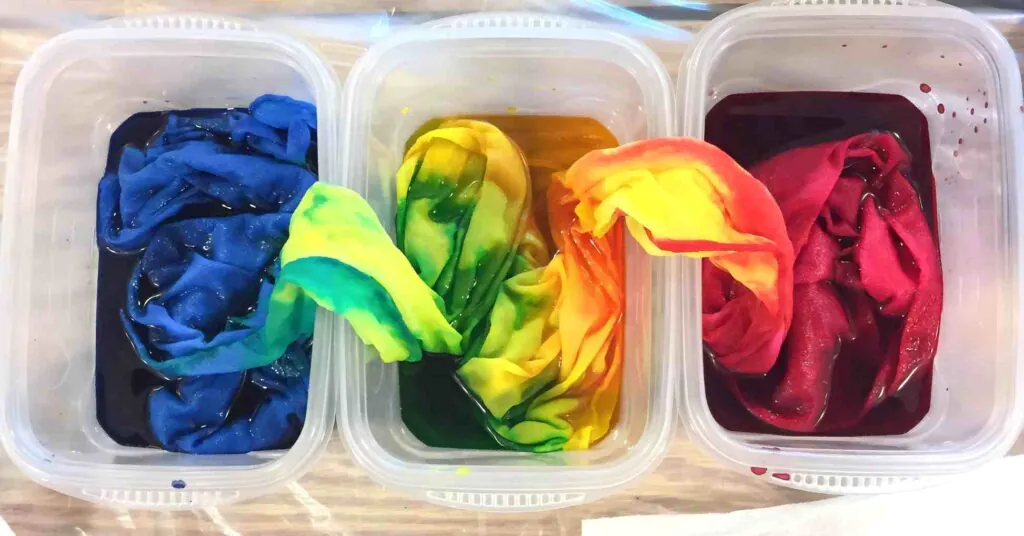
How PAM Works in Dye Baths
PAM dispersants:
- Prevent dye molecule agglomeration
- Maintain stable suspension
- Improve dye penetration into fibers
Nonionic PAM is commonly preferred for its broad compatibility.
Benefits for Textile Producers
- Improved first-pass yield
- Reduced dye waste
- Lower re-dyeing rates
- Consistent batch-to-batch color
Procurement insight:
A reliable dispersant reduces overall dye cost and customer complaints.
Key Factors Affecting Performance
- pH stability
- Temperature resistance
- Compatibility with dye classes
- Dosage control
Conclusion
PAM dispersants help textile mills achieve stable, uniform dyeing results. Proper selection protects product quality and reduces production losses.