
Municipal wastewater plants operate under constant pressure: stricter discharge regulations, rising sludge disposal costs, and increasing influent variability. Choosing the right treatment chemicals directly impacts operating budgets and compliance performance.
Polyacrylamide (PAM) plays a critical role in improving clarification, sludge thickening, and mechanical dewatering in municipal systems.
Why Municipal Plants Rely on PAM
Municipal wastewater typically contains:
- Biological sludge (negatively charged particles)
- Suspended solids (TSS)
- Organic matter (BOD/COD)
- Nutrients such as phosphorus
Because activated sludge particles carry a negative surface charge, cationic PAM is commonly used in municipal sludge dewatering.
For a broader understanding of how PAM improves general wastewater performance, see:
👉 How Polyacrylamide Boosts Wastewater Treatment Efficiency
Key Application Areas in Municipal Systems
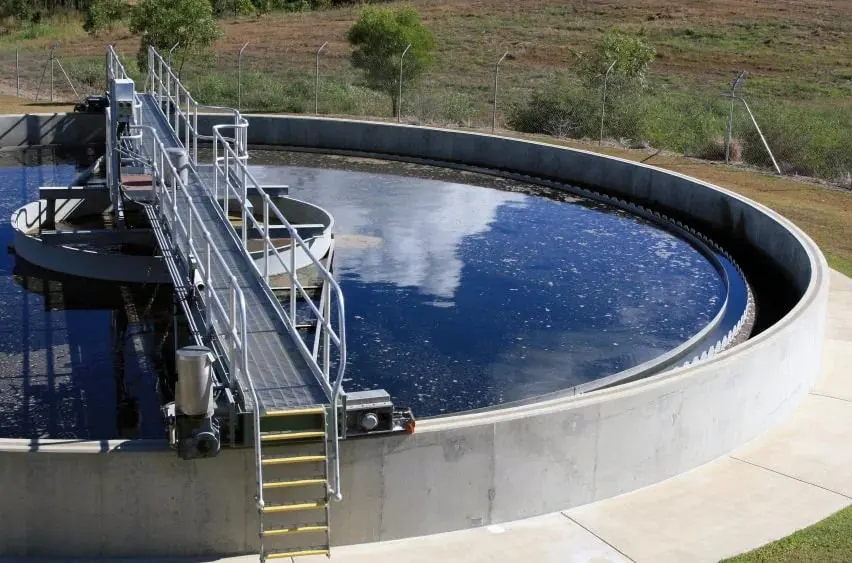
1️⃣ Primary & Secondary Clarification
PAM enhances floc formation during sedimentation by:
- Increasing floc size
- Accelerating settling velocity
- Reducing turbidity in overflow water
Proper polymer selection can significantly improve solids capture efficiency, helping plants consistently meet discharge targets such as:
- TSS < 30 mg/L
- BOD₅ < 20 mg/L
- Phosphorus limits (depending on local regulation)
2️⃣ Sludge Thickening
Gravity thickeners benefit from PAM because it:
- Increases solids concentration
- Improves sludge compaction
- Reduces volume sent to digestion
Thicker sludge reduces downstream load and lowers energy consumption in digestion systems.
3️⃣ Mechanical Sludge Dewatering
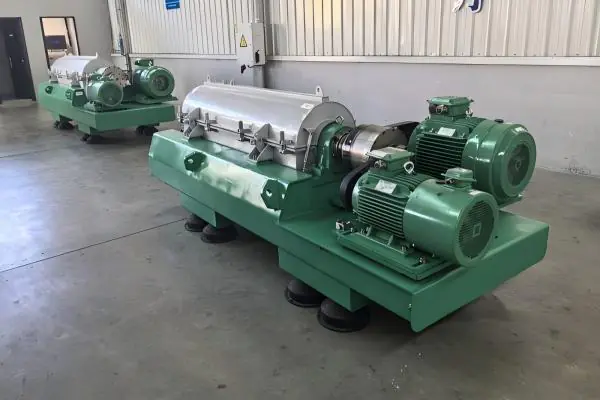
In belt presses, screw presses, and centrifuges, cationic PAM is essential.
Typical municipal dewatering performance:
- 18–25% cake solids (depending on sludge type)
- 1–5 kg polymer per ton of dry solids (typical operating range)
Correct polymer grade selection directly affects cake dryness and polymer consumption.
For detailed guidance on selecting the correct grade, refer to:
👉 Choosing the Right PAM Grade for Your Industry
Cost Reduction Opportunities for Municipal Plants
Municipal budgets are tight. PAM contributes to cost savings in several ways:
Reduced Sludge Disposal Costs
If a plant reduces sludge volume by even 10–20%, transportation and landfill costs drop proportionally. Many facilities find polymer optimization delivers measurable annual savings.
Lower Energy Consumption
Improved settling reduces clarifier load and can:
- Shorten aeration cycles
- Improve thickener efficiency
- Reduce centrifuge runtime
Improved Chemical Efficiency
Using the correct polymer prevents overdosing, which can:
- Restabilize particles
- Increase effluent turbidity
- Waste chemical budget
Operational Best Practices
✔ Conduct Regular Jar Testing
Influent characteristics change seasonally. Periodic testing ensures optimal dosing.
✔ Maintain Proper Polymer Preparation
- Solution concentration: 0.1–0.3%
- Mixing time: 30–45 minutes
- Use within 4 hours after preparation
Poor hydration leads to incomplete activation and reduced performance.
✔ Monitor Key Indicators
- Turbidity
- Sludge blanket depth
- Cake dryness
- Polymer consumption rate
Data-driven adjustment improves stability and lowers operating costs.
Common Municipal Challenges and Solutions
| Challenge | Impact | PAM-Based Solution |
|---|---|---|
| Seasonal dilution (rain events) | Reduced settling | Adjust dosage via flow-paced system |
| Low winter temperature | Slow floc formation | Use slightly higher MW polymer |
| High organic load | Poor dewatering | Increase charge density |
Compliance and Environmental Responsibility
Municipal wastewater facilities must consistently meet regulatory discharge standards. Proper PAM integration supports:
- Stable effluent clarity
- Reduced solids discharge
- Improved sludge handling safety
When selected and applied correctly, PAM helps municipalities achieve reliable, long-term compliance while controlling operational expenses.
Why Municipal Plants Should Optimize Their Polymer Strategy
Many facilities continue using the same polymer grade for years without reevaluating performance. However:
- Influent composition changes
- Equipment ages
- Regulatory limits tighten
A polymer review can often identify opportunities to:
- Reduce consumption
- Improve cake dryness
- Enhance overall plant stability
Conclusion
Polyacrylamide is not just a treatment additive — it is a performance driver for municipal wastewater systems.
From clarification to sludge dewatering, the right polymer grade improves efficiency, reduces sludge volume, lowers energy consumption, and supports regulatory compliance.
Municipal plants that actively optimize their polymer program gain both operational stability and measurable cost savings.
If your facility is reviewing sludge dewatering performance or experiencing rising disposal costs, our technical team can help evaluate your current polymer program and recommend optimized solutions tailored to your system.

