
The paper and pulp industry requires precise control of fiber retention, drainage performance, and wastewater treatment efficiency. High suspended solids, fine fibers, fillers, and organic residues create operational challenges in both production and effluent treatment systems.
Polyacrylamide (PAM) is widely used in paper mills to improve retention, enhance drainage, and optimize sludge management.
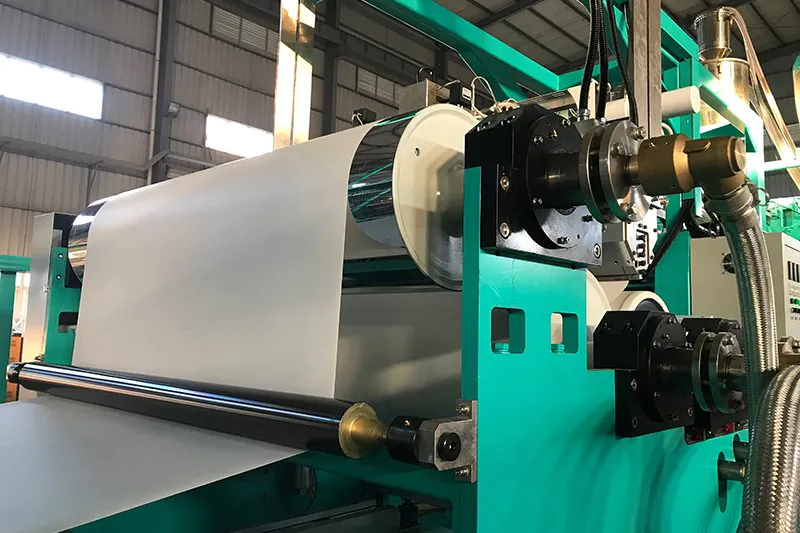
Why Paper and Pulp Systems Require Polymer Support
Paper mill wastewater and process streams often contain:
- Fine cellulose fibers
- Clay and calcium carbonate fillers
- High suspended solids (SS)
- Organic residues
- White water recirculation streams
Without proper flocculation control, mills may face:
- Poor sheet formation
- Reduced drainage speed
- High solids loss
- Increased wastewater load
For a general understanding of PAM’s role in wastewater systems, see:
👉 How Polyacrylamide (PAM) Boosts Wastewater Treatment Efficiency
Main Applications of PAM in Paper Mills
1️⃣ Retention Aid in Paper Formation
Cationic PAM is commonly used as a retention aid to:
- Improve fiber and filler retention
- Increase first-pass retention
- Reduce raw material loss
- Improve sheet uniformity
Higher retention reduces load on white water systems and lowers overall production costs.
2️⃣ Drainage Improvement
PAM enhances drainage by:
- Promoting floc formation between fibers
- Increasing water release from pulp slurry
- Improving machine speed stability
Proper polymer selection can shorten drainage time and improve production efficiency.
3️⃣ White Water Clarification
Paper mills often recycle white water. PAM assists in:
- Suspended solids removal
- Improved clarity
- Reduced load on dissolved air flotation (DAF) units
Efficient clarification reduces freshwater consumption and improves sustainability.
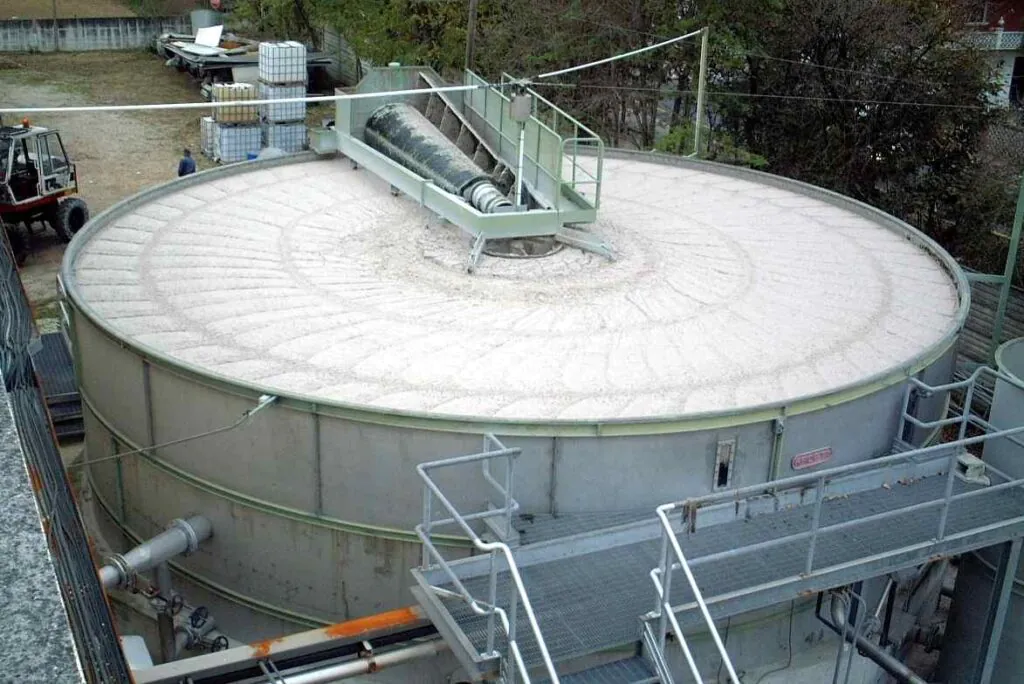
4️⃣ Wastewater Treatment and Sludge Dewatering
Paper mill effluent may contain:
- COD from pulping chemicals
- Fine fiber particles
- Coating materials
PAM enhances coagulation-flocculation systems, improving:
- Settling performance
- Sludge thickening
- Mechanical dewatering
Polymer Type Selection in Paper Applications
Different applications require different polymer characteristics:
| Application | Common PAM Type |
|---|---|
| Retention aid | Cationic PAM |
| White water clarification | Anionic or cationic (depending on system) |
| Sludge dewatering | Cationic PAM |
| Effluent clarification | Anionic PAM (with coagulant) |
Selecting the correct grade depends on:
- Fiber composition
- Filler type
- System charge balance
- Equipment design
Typical Dosage Considerations
Dosage varies depending on system design and solids concentration. In wastewater clarification systems, polymer dosage is typically optimized through jar testing.
Overdosing may lead to:
- Sheet formation issues
- Increased cost
- Floc overgrowth
Under-dosing may cause:
- Poor retention
- High solids loss
- Reduced drainage efficiency
Regular evaluation ensures stable performance.
Common Operational Mistakes in Paper Mills
Many mills experience performance issues due to:
- Incorrect charge density selection
- Poor polymer preparation
- Inconsistent feed concentration
- Lack of performance monitoring
For a broader overview of common polymer errors in treatment plants, see:
👉 Common Mistakes When Using PAM in Treatment Plants
Cost and Efficiency Benefits
Optimizing PAM usage in paper mills can result in:
- Reduced fiber loss
- Lower wastewater treatment costs
- Improved production speed
- Reduced sludge disposal volume
- Better water reuse efficiency
Because paper mills operate continuously, even small efficiency gains can produce significant annual cost savings.
Why Regular Polymer Review Is Important
Paper production conditions change due to:
- Raw material variation
- Filler type adjustments
- Production rate changes
- Water recycling modifications
Periodic polymer performance evaluation ensures:
- Stable machine operation
- Consistent product quality
- Controlled chemical cost
Mills that treat polymer selection as a performance tool rather than a routine purchase achieve more stable and profitable operations.
Conclusion
PAM plays a crucial role in paper and pulp processing. From retention improvement and drainage enhancement to wastewater clarification and sludge dewatering, proper polymer selection directly influences both production efficiency and environmental compliance.
When properly optimized, PAM helps paper mills:
- Improve fiber retention
- Increase drainage efficiency
- Reduce wastewater load
- Lower sludge disposal costs
If your paper mill is experiencing retention instability or rising wastewater treatment expenses, reviewing your polymer strategy can deliver measurable operational improvements.