Skip to content
Pharmaceutical manufacturing plants operate under some of the strictest environmental and quality regulations in any industry. Wastewater treatment is no exception. Effluent from pharmaceutical facilities must meet discharge limits that are often more stringent than those applied to general industrial operations — and the documentation requirements surrounding treatment chemical use are significantly more demanding.
For plant operators and environmental managers, this creates a dual challenge: achieving reliable effluent quality that meets regulatory standards, while using treatment chemicals that are themselves compliant with the facility’s quality management framework.
Polyacrylamide is widely used in pharmaceutical wastewater treatment for suspended solids removal and clarification. When the right grade is selected and properly documented, it delivers effective treatment performance while meeting the product quality and regulatory requirements that pharmaceutical facilities demand.
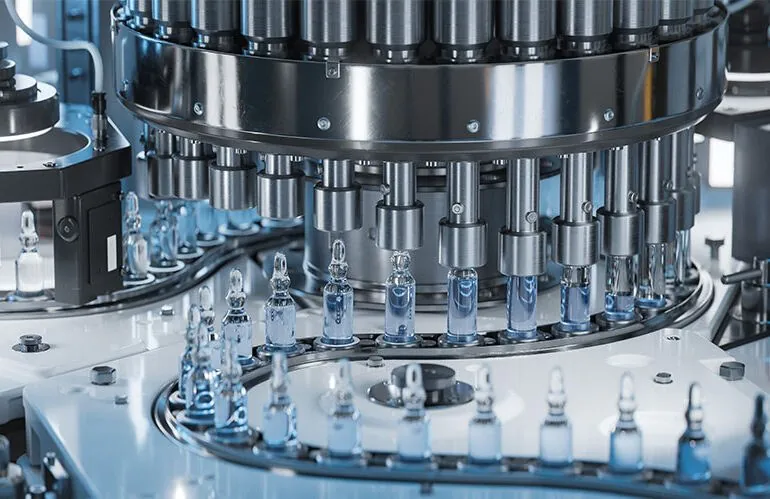
What Makes Pharmaceutical Wastewater Different
Pharmaceutical manufacturing generates wastewater from a wide range of process sources — synthesis reactors, fermentation vessels, extraction and purification systems, equipment cleaning, and laboratory operations. The resulting effluent typically combines:
| Contaminant | Source | Treatment Relevance |
|---|---|---|
| Active pharmaceutical ingredients (APIs) | Synthesis and formulation | Requires biological or advanced treatment — PAM indirect role |
| Biological solids | Fermentation, cell culture | High organic load, cationic PAM effective |
| Solvent residuals | Extraction, purification | May require pre-treatment before flocculation |
| Excipient particles | Formulation processes | Variable surface charge, jar testing required |
| Fine inorganic solids | Reaction byproducts | Anionic PAM with coagulant |
| Surfactants and detergents | Equipment cleaning | Can interfere with PAM performance |
The suspended solids fraction — biological fermentation solids, fine process particles, and reaction byproducts — is where PAM delivers direct treatment value. Dissolved organics including APIs require biological treatment or advanced oxidation, which PAM supports indirectly by improving upstream clarification efficiency.
A key characteristic of pharmaceutical effluent is variability. Production campaigns for different drug products generate fundamentally different wastewater compositions. A fermentation campaign produces high-organic, high-suspended-solids effluent suited to cationic PAM. A chemical synthesis campaign may generate fine inorganic precipitates better suited to anionic PAM with coagulant pre-treatment. Managing this variability is the central operational challenge for pharmaceutical wastewater treatment.
Regulatory and Documentation Requirements
Pharmaceutical facilities operate within quality management frameworks — typically GMP (Good Manufacturing Practice) or ISO standards — that extend to environmental operations including wastewater treatment chemical procurement and use.
For PAM specifically, pharmaceutical plant procurement and environmental teams typically require:
Product documentation:
- Certificate of Analysis (CoA) for each batch confirming molecular weight, charge density, moisture content, and residual acrylamide monomer content
- Safety Data Sheet (SDS) compliant with local regulatory requirements
- Product specification sheet with defined quality parameters and acceptance limits
Residual acrylamide compliance: Acrylamide monomer — the building block from which PAM is synthesized — is a regulated substance under most environmental frameworks. For pharmaceutical facility use, residual acrylamide content below 0.05% (500 mg/kg) is the standard requirement, with many facilities requiring below 0.01% (100 mg/kg) for additional regulatory margin.
Supplier qualification: Many pharmaceutical facilities require formal supplier qualification — including audit rights, quality agreement execution, and approved supplier list registration — before a treatment chemical can be used on site. PAM suppliers working with pharmaceutical clients must be prepared to support this process.
Traceability: Batch-specific documentation linking each shipment to production and test records enables full traceability from point of use back to manufacturing — a requirement that GMP-aligned operations typically extend to all process inputs including treatment chemicals.
Our products are supplied with full batch-specific documentation as standard, supporting pharmaceutical facility qualification and compliance requirements. Contact our technical team today to discuss supplier qualification requirements and request documentation packages. → Contact our technical team today
PAM Grade Selection for Pharmaceutical Effluent
Grade selection for pharmaceutical wastewater treatment follows the same fundamental principles as other applications — contaminant type determines charge preference, and particle size determines molecular weight requirements — but with additional consideration for the documentation requirements associated with each grade.
For fermentation and biological process effluent: Cationic PAM at medium to high molecular weight (10–15 million Daltons) and medium charge density (30–60%) is the standard choice. Biological fermentation solids carry strong negative surface charges that respond well to cationic charge neutralization and bridging.
For chemical synthesis effluent with fine inorganic precipitates: High-MW anionic PAM (12–18 million Daltons, 20–35% charge density) combined with coagulant pre-treatment provides effective clarification of fine metal hydroxide and reaction byproduct precipitates.
For mixed effluent streams: Where fermentation and chemical synthesis effluents combine in the collection system, the dominant fraction — biological or inorganic — should guide grade selection. A multi-grade approach, with different grades available for different production campaign types, provides the flexibility needed to maintain consistent treatment performance as product lines change.
For broader guidance on grade selection principles, see: Choosing the Right PAM Grade for Your Industry
Managing Effluent Variability Across Production Campaigns
The most effective approach to pharmaceutical wastewater treatment is building a polymer program that anticipates variability rather than reacting to it.
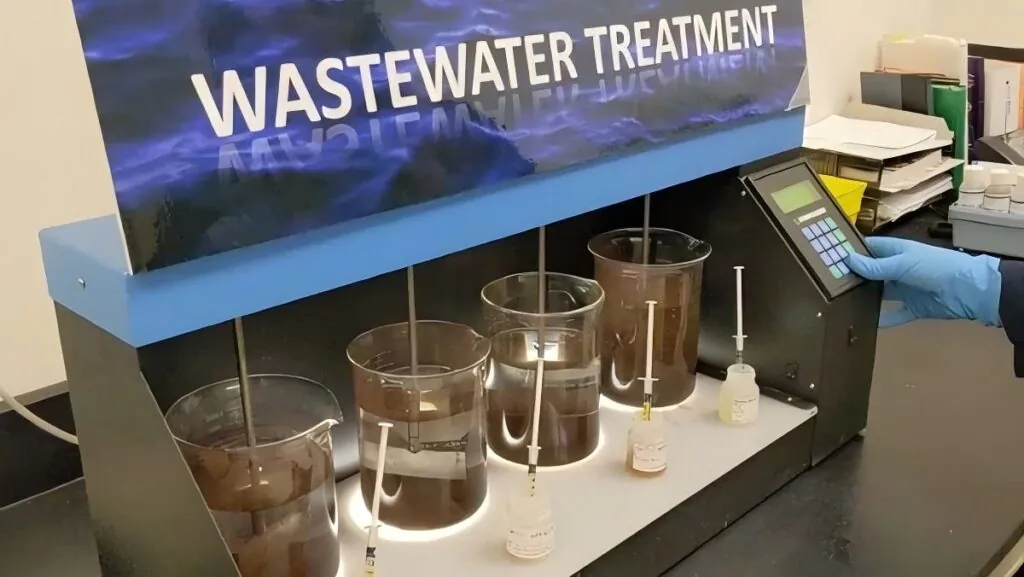
Pre-qualify multiple grades before they are needed: Conduct jar testing with representative effluent samples from each major production campaign type. Identify the optimal grade and dosage for each campaign, and maintain pre-qualified stock of the relevant grades. When the production schedule changes, the treatment team can switch grades with confidence rather than troubleshooting under operational pressure.
Establish campaign-specific dosage protocols: Document the optimal dosage range for each production campaign type as a standard operating procedure. This ensures consistent performance across shifts and eliminates the variability introduced when different operators make independent dosage decisions.
Use equalization to reduce peak variability: Where possible, equalization tanks that buffer effluent before treatment reduce the magnitude of composition swings between production campaigns. This reduces the frequency of grade switching and allows a broader dosage range to handle day-to-day variation within each campaign type.
Frequently Asked Questions
Does PAM remove active pharmaceutical ingredients (APIs) from wastewater?
PAM removes suspended and colloidal solids through flocculation — it does not remove dissolved APIs from the water phase. However, by improving upstream clarification, PAM reduces the organic loading on downstream biological treatment, which is the primary mechanism for API degradation. In some cases, APIs adsorbed onto suspended particles may be partially removed as part of the flocculated solids.
What residual acrylamide content is acceptable for pharmaceutical facility use?
Most pharmaceutical facilities require residual acrylamide below 0.05% as a minimum, with many specifying below 0.01% for additional regulatory margin. Always confirm the specific limit required by your facility’s quality management system and request batch-specific CoA data confirming compliance before use.
Can you support our supplier qualification process?
Yes. We provide full batch documentation including CoA, SDS, and product specifications as standard. We support formal supplier qualification processes including quality agreement execution and documentation for approved supplier list registration. Contact our technical team to initiate the qualification process.
Conclusion
Pharmaceutical wastewater treatment demands more than effective clarification performance — it requires treatment chemicals that meet the documentation, traceability, and quality standards that GMP-aligned operations demand from all process inputs.
Polyacrylamide delivers reliable clarification of the suspended solids and colloidal fraction of pharmaceutical effluent across a range of production campaign types. The key to consistent performance is grade selection matched to the dominant effluent type, a multi-grade approach that handles production variability, and a supplier who provides the documentation and qualification support that pharmaceutical facilities require.
Facilities that build a well-documented, flexible PAM program achieve more consistent effluent quality, lower compliance risk, and smoother regulatory interactions — outcomes that justify the additional investment in proper grade selection and supplier qualification over defaulting to a single unoptimized grade.
Contact us today to request full product documentation, discuss supplier qualification, and get a PAM grade recommendation for your pharmaceutical wastewater treatment system. → Get in touch today