
The textile industry is one of the largest consumers of water and one of the biggest producers of industrial wastewater worldwide. Processes such as dyeing, finishing, and washing generate large volumes of wastewater containing suspended solids, organic matter, dyes, salts, and various chemical additives.
Effective treatment of textile wastewater is essential not only to meet environmental regulations but also to support sustainable and cost-efficient textile production. Among the available treatment technologies, Polyacrylamide (PAM) has become one of the most widely used and effective flocculants in textile wastewater treatment systems.
PAM is a water-soluble polymer that works as a flocculant or coagulant aid, helping fine particles and colloids aggregate into larger flocs that can be easily removed. This article explains how PAM works in textile wastewater treatment, its advantages, and how to optimize its application for better results.
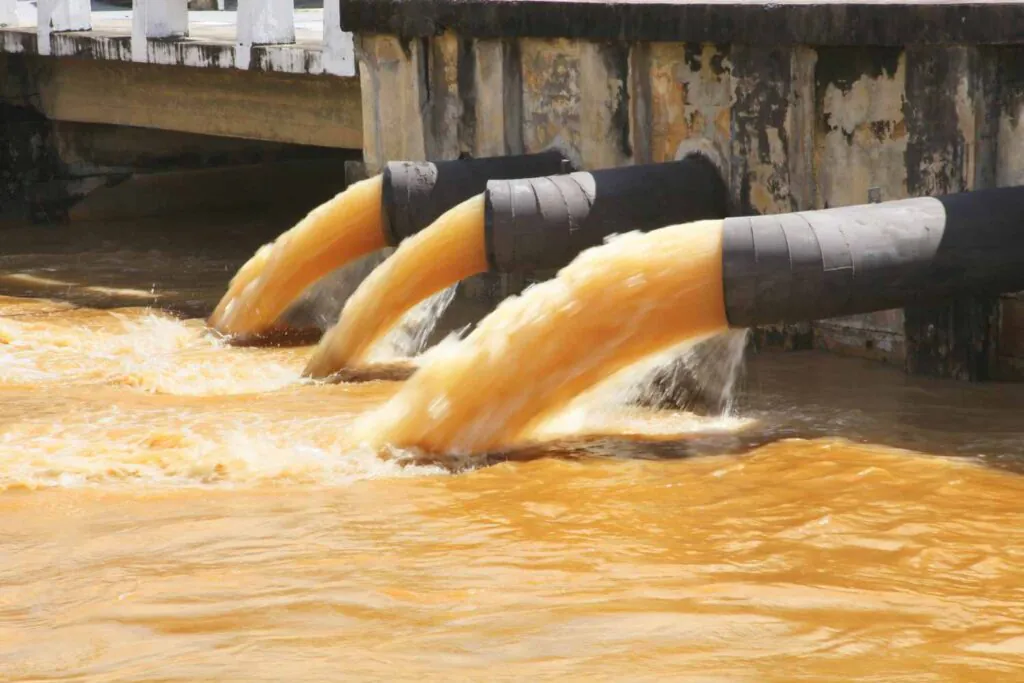
Characteristics of Textile Wastewater
Textile wastewater is complex and varies depending on raw materials and production processes. It usually contains:
- Suspended solids: fibers, dye particles, and chemical residues
- Organic pollutants: surfactants, oils, greases, and finishing agents
- Dyes: organic and inorganic colorants that are often toxic and difficult to degrade
- Chemical additives: acids, alkalis, salts, and synthetic auxiliaries
- Heavy metals: originating from dyes and finishing chemicals
Because of this complex composition, textile wastewater typically requires multi-step treatment, where flocculation plays a key role in removing suspended solids, color, and organic contaminants.
Role of PAM in Textile Wastewater Treatment
Flocculation and Coagulation
PAM is mainly used as a flocculant in textile wastewater treatment. Many pollutants exist as fine suspended or colloidal particles that cannot be removed effectively by simple sedimentation.
When PAM is added to wastewater, its long polymer chains adsorb onto particle surfaces, reduce electrostatic repulsion, and bridge particles together. This process forms larger and denser flocs, which can be removed by sedimentation, filtration, or centrifugation, resulting in clearer effluent.
Removal of Dyes
Color removal is one of the most difficult challenges in textile wastewater treatment. Synthetic dyes are often highly water-soluble and resistant to biodegradation.
Cationic PAM, in particular, is effective in dye removal because it can interact with negatively charged dye molecules through electrostatic attraction. PAM helps dyes adsorb onto flocs, making them easier to separate from water. When used together with inorganic coagulants such as PAC or alum, the decolorization efficiency is significantly improved.
Removal of Suspended Solids and Organic Matter
Textile wastewater contains large amounts of fibers, dust, oils, greases, and surfactants. PAM enhances the aggregation of these materials into larger flocs, improving solid–liquid separation.
This process not only reduces turbidity but also lowers COD and organic load, helping downstream biological or advanced treatment systems operate more efficiently.
Sludge Reduction and Dewatering Improvement
Sludge management is a major cost factor in textile wastewater treatment. PAM improves sludge properties by forming compact and fast-settling flocs, which leads to:
- Reduced sludge volume
- Faster sedimentation
- Improved sludge dewatering performance
As a result, sludge handling and disposal costs are significantly reduced.
Advantages of Using PAM in Textile Wastewater Treatment
High Treatment Efficiency
PAM shows excellent performance in removing suspended solids, dyes, and organic matter. Even at low dosages, it can form strong flocs and greatly improve treated water clarity.
Environmental Safety
Properly manufactured PAM products are low-toxicity and environmentally safe. Compared with some inorganic coagulants, PAM does not introduce heavy metals into wastewater, helping textile plants meet environmental discharge standards.
Cost-Effectiveness
By improving flocculation efficiency and reducing sludge volume, PAM lowers chemical consumption and operating costs. When used as a coagulant aid, it also enhances the performance of other treatment chemicals.
Strong Adaptability
PAM can be customized by adjusting molecular weight and charge type (cationic, anionic, or nonionic). This flexibility allows it to adapt to different textile wastewater conditions, including high color, high turbidity, or high organic load.
Optimization of PAM Application in Textile Wastewater
Dosage Control
Correct dosage is critical. Insufficient PAM leads to weak flocculation, while overdosing may cause excessive sludge and poor settling. Jar tests are recommended to determine the optimal dosage under real wastewater conditions.
pH and Temperature Management
PAM generally performs best in neutral to slightly alkaline conditions (pH 6.5–8.5). Extreme pH levels can reduce flocculation efficiency. Water temperature also affects performance; very high temperatures may cause polymer degradation.
Molecular Weight and Charge Selection
- High molecular weight PAM: suitable for high turbidity and high suspended solids
- Low molecular weight PAM: suitable for fine particle removal
- Cationic PAM: most effective for negatively charged particles commonly found in textile wastewater
Correct selection ensures stable floc formation and efficient separation.
Combination with Other Treatment Methods
In practice, PAM is often used together with:
- Inorganic coagulants (PAC, alum)
- Biological treatment systems
- Advanced treatment methods such as activated carbon or oxidation
This combined approach improves overall treatment efficiency and effluent quality.
Conclusion
Polyacrylamide (PAM) is a highly effective flocculant for textile wastewater treatment. It plays a key role in removing suspended solids, dyes, organic matter, and improving sludge dewatering performance.
By optimizing PAM dosage, selecting the appropriate molecular weight and charge type, and combining PAM with other treatment technologies, textile manufacturers can achieve stable compliance, lower operating costs, and more sustainable wastewater management.