Skip to content
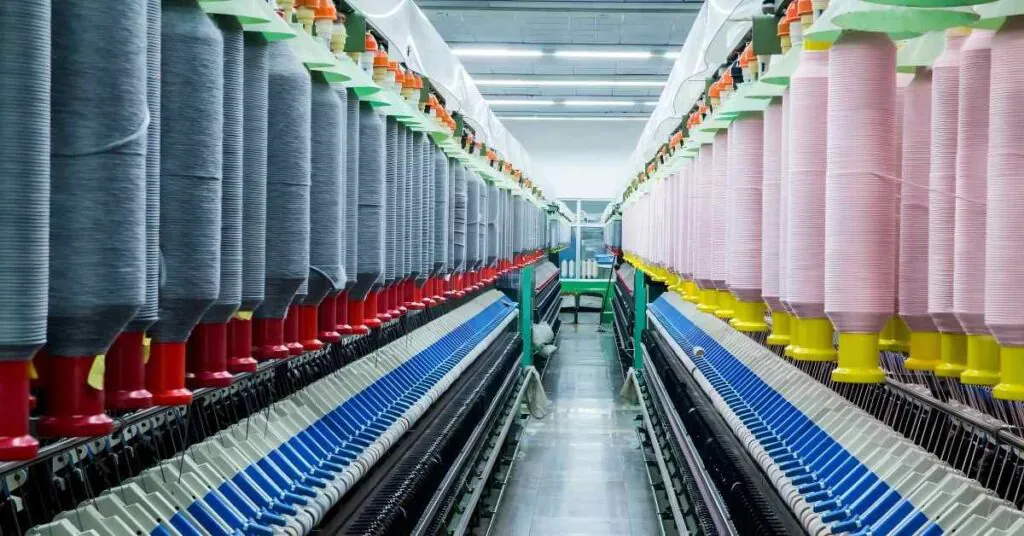
Textile wastewater is one of the most challenging industrial effluents to treat. It typically contains:
- High color concentration
- Elevated COD and BOD
- Suspended solids
- Residual dyes and auxiliaries
- Surfactants and salts
Discharge regulations are becoming stricter worldwide, requiring textile plants to achieve stable clarification and sludge management.
Polyacrylamide (PAM) plays a critical role in improving flocculation, color removal, and sludge dewatering efficiency in textile wastewater treatment systems.
Why Textile Wastewater Is Difficult to Treat
Textile effluent often presents:
- COD levels ranging from 1,000–3,000 mg/L (depending on process)
- Strong coloration from reactive and disperse dyes
- Variable pH conditions
- High suspended solids
Traditional coagulation using inorganic coagulants alone may not achieve optimal settling performance. This is where PAM becomes essential.
For a general overview of how PAM improves wastewater treatment efficiency, see:
👉 How Polyacrylamide Improves Wastewater Treatment Efficiency
How PAM Works in Textile Effluent Treatment
PAM enhances the coagulation-flocculation process by:
- Bridging suspended particles
- Increasing floc size
- Accelerating sedimentation
- Improving sludge-water separation
In most textile systems:
- Anionic PAM is commonly used after inorganic coagulants
- Molecular weight is typically high for better bridging performance
Correct polymer selection significantly improves clarification and reduces chemical consumption.
Key Application Points in Textile Plants
1️⃣ Primary Clarification
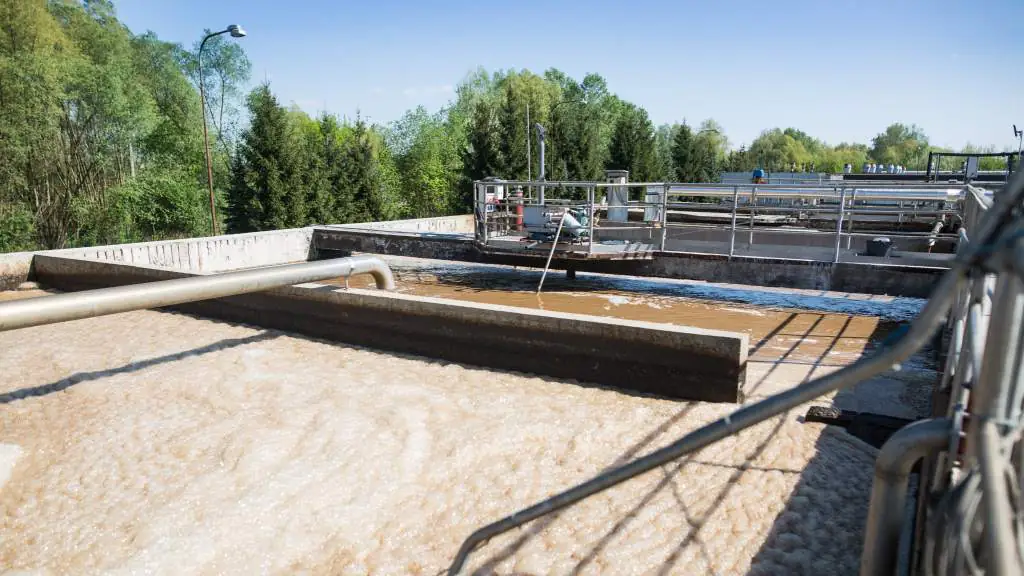
After coagulation, PAM promotes rapid floc formation, leading to:
- Improved settling velocity
- Lower turbidity in treated water
- Reduced sludge carryover
This helps plants meet local discharge limits for suspended solids and color.
2️⃣ Color Reduction Support
While PAM is not a primary decolorizing agent, it enhances:
- Dye particle aggregation
- Removal of color-bound solids
- Overall clarification efficiency
When used with coagulants, overall color reduction improves significantly compared to coagulation alone.
3️⃣ Sludge Dewatering
Textile sludge often contains:
- Fibers
- Organic residues
- Coagulated dye particles
Proper PAM selection improves mechanical dewatering performance:
- Higher cake solids
- Lower sludge volume
- Reduced disposal cost
Typical Dosage Range
Actual dosage depends on wastewater characteristics and treatment design. However, typical working ranges in textile wastewater systems are:
- 1–10 mg/L for clarification assistance
- Adjusted via jar testing for optimal performance
Overdosing may cause:
- Increased chemical cost
- Restabilization of particles
- Slower settling
Regular testing ensures cost-effective operation.
Common Challenges in Textile Applications
| Challenge | Impact | PAM Strategy |
|---|---|---|
| High dye concentration | Poor settling | Increase molecular weight |
| Fluctuating pH | Inconsistent floc | Adjust coagulant first |
| High salt content | Reduced floc strength | Optimize dosage and mixing |
| Sludge difficult to dewater | High disposal cost | Use suitable cationic PAM |
For operational errors that may reduce polymer effectiveness, refer to:
👉 Common Mistakes When Using PAM in Treatment Plants
Cost Optimization Opportunities
Textile wastewater plants often operate on tight margins. PAM optimization helps by:
- Reducing sludge disposal volume
- Improving clarification stability
- Lowering overall chemical consumption
- Enhancing downstream biological treatment efficiency
Even small improvements in settling performance can significantly reduce operating costs in medium and large textile facilities.
Why Polymer Evaluation Matters
Textile wastewater composition varies depending on:
- Fabric type
- Dyeing process
- Chemical usage
- Production schedule
Periodic polymer evaluation ensures:
- Stable treatment performance
- Reduced chemical waste
- Better compliance reliability
Plants that treat polymer selection as a strategic decision — not just a commodity purchase — achieve stronger long-term operational results.
Conclusion
PAM is a critical component in textile wastewater treatment systems. It enhances flocculation, improves settling efficiency, supports color removal, and optimizes sludge dewatering performance.
When properly selected and dosed, PAM helps textile plants:
- Improve discharge stability
- Reduce sludge volume
- Lower treatment costs
- Maintain regulatory compliance
If your textile facility is facing unstable clarification or rising sludge disposal expenses, reviewing your polymer strategy could unlock measurable operational improvements.