
Polyacrylamide (PAM) is a high-performance, water-soluble polymer made from acrylamide monomers.
Because of its strong flocculation ability, adjustable molecular weight, and flexible charge types, PAM has become a core processing chemical in many industries.
For buyers and engineers, the key question is not “What is PAM?” but:
Which PAM grade should I buy to solve my process problem at the lowest operating cost?
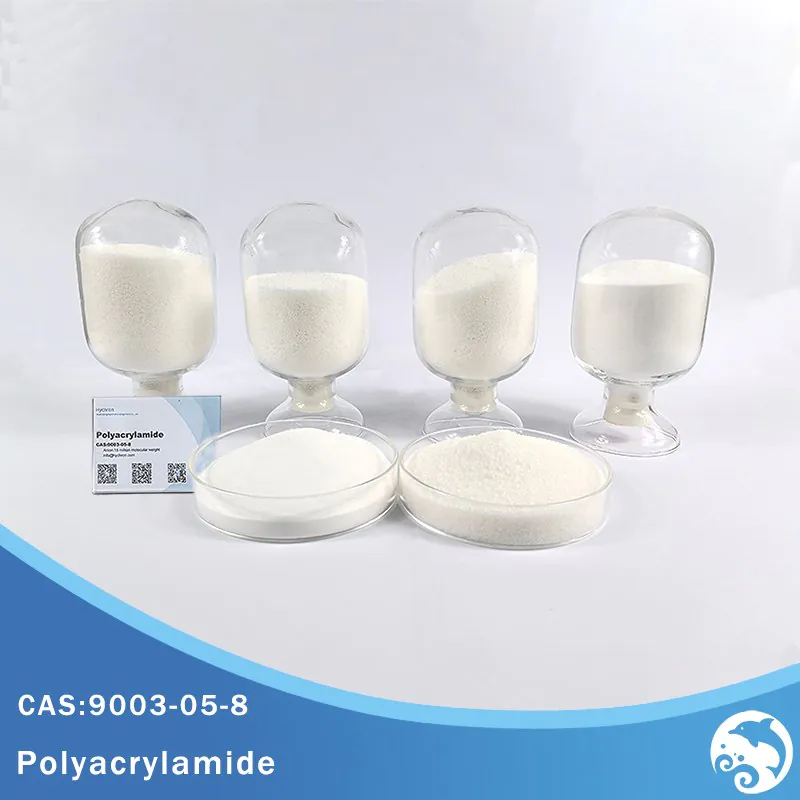
1. Oilfield Polyacrylamide: Focus on Performance Stability
Why oilfield operators purchase PAM
Oilfield operations demand stable rheology, minimal formation damage, and predictable performance under harsh conditions. PAM meets these needs with lower solid content than traditional additives.
Main purchasing applications
Drilling fluids
- Improves cuttings suspension
- Reduces fluid loss
- Enhances wellbore stability
Enhanced Oil Recovery (EOR)
- Increases injected water viscosity
- Improves sweep efficiency
- Reduces water channeling
Fracturing fluids
- Controls viscosity
- Supports proppant transport
- Reduces residue when low-residue grades are selected
Buyer checklist
- Molecular weight range
- Salt and temperature tolerance
- Residual monomer specification
2. Water Treatment PAM: Cost per Ton of Sludge Matters
Water treatment is the largest and most price-sensitive PAM market, but cheapest PAM is rarely the most economical.
Why plants buy PAM
- Faster sedimentation
- Better sludge cake dryness
- Reduced disposal volume
- Lower overall chemical consumption
Typical applications
- Municipal wastewater
- Industrial effluent
- Sludge dewatering (belt press, centrifuge, filter press)
Procurement focus
- Charge type matching sludge properties
- Dewatering performance vs dosage
- Stable batch quality for continuous operation
3. Papermaking PAM: Improving Retention = Saving Raw Material
In paper mills, PAM is purchased not as a flocculant, but as a process efficiency enhancer.
Why paper mills invest in PAM
- Higher fiber and filler retention
- Better drainage speed
- Improved paper strength and formation
Common roles
- Retention aid
- Drainage and filtration aid
- Fiber dispersant
- Dry strength agent
Buyer concerns
- Compatibility with fillers (PCC, GCC)
- Interaction with PAC and sizing agents
- Long-term machine cleanliness
4. Mining & Mineral Processing PAM: Throughput Comes First
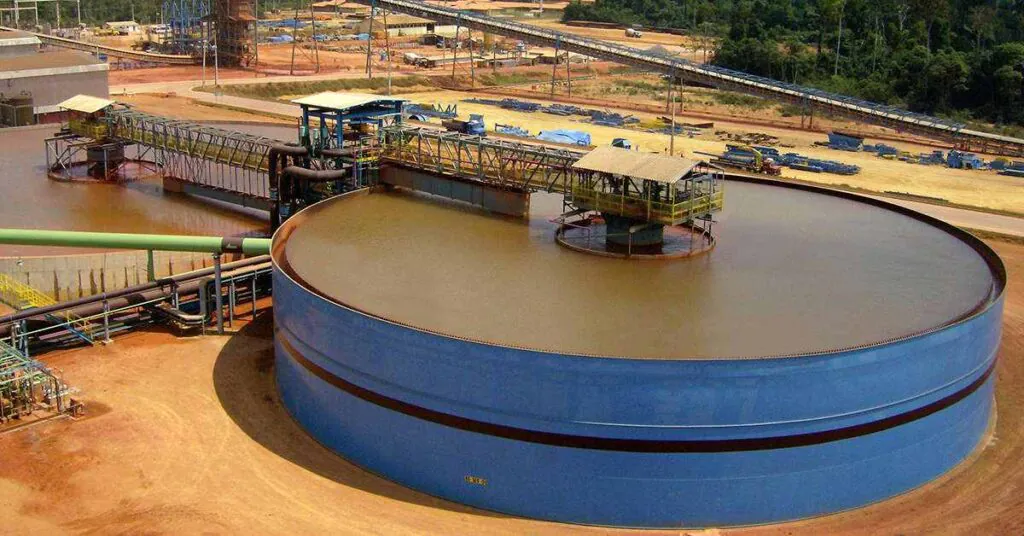
Mining companies buy PAM to increase settling speed and water recovery, directly impacting plant capacity.
Why PAM is critical in mineral processing
- Faster thickener settling
- Clearer overflow water
- Reduced tailings loss
- Improved water reuse
Selection priorities
- High molecular weight consistency
- Fast floc formation
- Shear resistance in pipelines
5. Other Industries: PAM as a Process Aid
Polyacrylamide is also widely purchased for:
- Construction grouting
- Textile processing and effluent treatment
- Sugar, alcohol, and fermentation industries
- Chemical manufacturing
In these sectors, PAM improves process stability, separation efficiency, and water recycling performance.
How to Choose the Right Polyacrylamide Supplier
Before placing an order, buyers should confirm:
- ✔ PAM type (cationic / anionic / nonionic)
- ✔ Molecular weight range
- ✔ Solid content and dissolution speed
- ✔ Residual acrylamide level
- ✔ Technical support and lab testing capability
Conclusion: Buy PAM for Results, Not Just Price
Polyacrylamide is not a one-size-fits-all product. The right PAM grade can reduce operating costs, improve system stability, and increase production efficiency across oilfields, water treatment plants, paper mills, and mines.
For procurement teams, performance consistency and technical matching are more valuable than the lowest unit price.