Skip to content
Polyacrylamide (PAM) is a widely used water-soluble polymer with strong performance in water treatment. In aquaculture, PAM plays an important role in improving water quality and supporting healthy fish and shrimp growth. Its proper use helps farmers build more stable and sustainable farming systems.
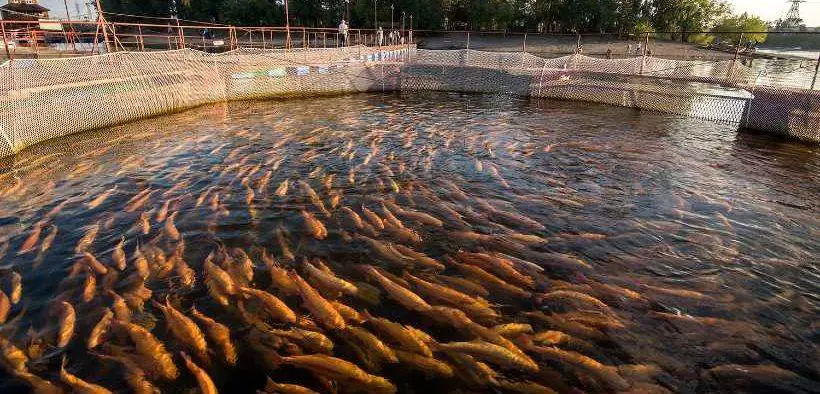
Understanding Polyacrylamide in Aquaculture
Polyacrylamide forms stable colloidal suspensions in water. Because of this property, it is effective in removing fine particles and improving water clarity. Good water quality is essential in aquaculture, as poor conditions can cause stress, slow growth, and disease in fish and shrimp.
Water Quality Management with PAM
In fish and shrimp ponds, suspended solids and organic matter can quickly accumulate. Polyacrylamide works as a coagulant to bind small particles together, allowing them to settle or be removed more easily.
Benefits include:
- Clearer water
- Lower turbidity
- Improved living conditions for aquatic species
Nutrient Control and Algae Prevention
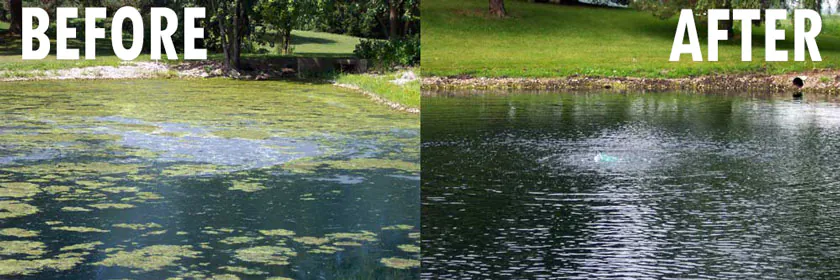
High levels of nitrogen and phosphorus can cause algal blooms. These blooms consume oxygen and may harm fish and shrimp.
Polyacrylamide helps adsorb excess nutrients from the water. This reduces algae growth and keeps oxygen levels more stable, supporting a balanced aquatic environment.
Feed Efficiency and Growth Support
In some aquaculture systems, PAM is used to improve feed efficiency. It helps nutrients stay in the water longer and improves digestion and absorption.
As a result:
- Feed waste is reduced
- Growth performance improves
- Overall farm efficiency increases
Supporting Sustainable Aquaculture
Using polyacrylamide supports sustainable aquaculture practices. It reduces the need for harsh chemicals and helps control pollution caused by poor water quality.
Better water conditions mean:
- Healthier fish and shrimp
- Lower disease risk
- More stable production results
Responsible Use and Compliance
Polyacrylamide should always be applied according to technical guidelines and local regulations. Correct dosage and proper management are important to avoid negative environmental impact.
Responsible use ensures:
- Safety for aquatic life
- Long-term pond stability
- Sustainable aquaculture development
Conclusion
Polyacrylamide is a practical and effective solution for fish and shrimp farming. By improving water quality, controlling nutrients, and supporting growth, PAM helps aquaculture operations become healthier and more sustainable.