
Polyacrylamide flocculant is a homopolymer of acrylamide or a copolymer formed by acrylamide combined with other functional monomers. It is widely used as a high-efficiency flocculating agent in multiple industries, including oil extraction, papermaking, water treatment, textiles, and agriculture.
Among these industries, water treatment and oilfield applications represent the largest and most stable demand due to the polymer’s excellent performance in solid–liquid separation and water recovery processes.
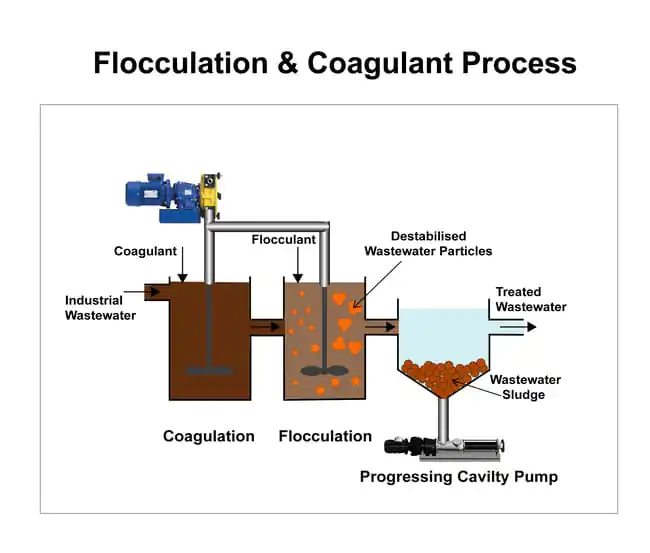
The Role of Polyacrylamide in Water Resource Management
Water is an essential element for all living organisms and a critical resource for industrial development. However, increasing water scarcity has made water reuse and efficiency improvement a global priority.
Polyacrylamide flocculants play an important role in water conservation by:
- Accelerating solid–liquid separation
- Improving treated water clarity
- Enabling water recycling and reuse
- Reducing freshwater consumption in industrial processes
From a procurement perspective, PAM is not just a treatment chemical but a cost-control and sustainability tool.
Core Applications of Polyacrylamide Flocculants in Water Treatment
In practical water treatment operations, polyacrylamide flocculants are mainly used in the following processes:
1. Sedimentation Processes
In sedimentation systems, PAM promotes the aggregation of fine suspended particles into larger flocs, allowing them to settle more rapidly.
Key performance indicators to observe include:
- Sedimentation tank height and effective volume
- Floc formation speed
- Settling rate of flocs
- Clarity of treated effluent
Proper polymer selection and dosage directly affect sedimentation efficiency and operational stability.
2. Air Flotation Systems
In dissolved air flotation (DAF) units, polyacrylamide enhances the attachment between flocs and microbubbles, improving flotation efficiency.
Operational parameters to monitor:
- Floc suspension behavior in flotation tanks
- Rising speed of flocs
- Surface sludge thickness
- Turbidity of clarified water
Correct PAM dosing ensures stable flotation without excessive sludge carryover.
3. Sludge Dewatering Applications
Polyacrylamide is most critical in sludge dewatering processes such as belt presses, centrifuges, and filter presses.
Key evaluation factors include:
- Reaction speed between PAM and sludge
- Floc size and structure
- Cake dryness and water content
- Filtrate clarity
Well-formed flocs result in lower sludge moisture, reduced disposal volume, and lower overall treatment costs.
Factors Influencing PAM Performance in Field Applications
The effectiveness of polyacrylamide flocculants depends on several operational and process-related factors:
- Treatment process type (sedimentation, flotation, dewatering)
- Wastewater characteristics (pH, SS, organic content)
- Equipment design and operating conditions
- Polymer type (anionic, cationic, nonionic)
- Correct preparation and dosing methods
Different processes and operating conditions require different PAM grades and dosage strategies. Field testing and continuous monitoring are essential for optimal results.
Why Polyacrylamide Is a Preferred Flocculant Choice
Compared with many traditional flocculants, polyacrylamide offers:
- High flocculation efficiency at low dosage
- Wide adaptability to different water qualities
- Improved water recovery and reuse potential
- Reduced chemical and sludge disposal costs
These advantages make PAM a reliable and widely adopted solution in modern water treatment systems.
Conclusion
Polyacrylamide flocculants play a vital role in water treatment by enhancing sedimentation, air flotation, and sludge dewatering processes. Beyond improving treatment efficiency, PAM supports water conservation by enabling effective water recovery and reuse.
For optimal performance, it is essential to select the right polymer type, apply correct dosing strategies, and adjust operating conditions based on real-time observations. When properly applied, polyacrylamide flocculants deliver both technical reliability and long-term economic value for water treatment operations.