
Polyacrylamide (PAM) is widely used as a high-efficiency flocculant in wastewater treatment, sludge dewatering, and industrial water purification.
However, many users report:
- Weak floc formation
- Slow sedimentation
- Increased dosage with no improvement
- Reduced viscosity of prepared solution
Is it really product quality problem? In most cases, the answer is no. Let’s analyze the real reasons behind polyacrylamide failure — and how to fix them.
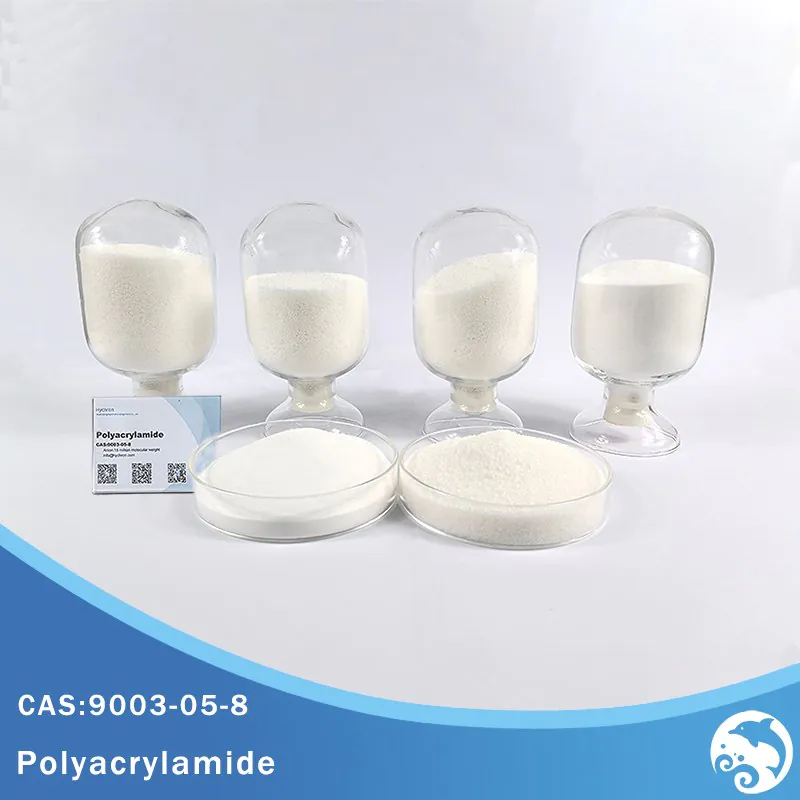
1. Expired or Degraded Product
Polyacrylamide has a typical shelf life of 2 years.
If the product:
- Exceeds shelf life
- Is exposed to sunlight
- Absorbs moisture
The molecular chains may degrade.
Result:
- Lower viscosity
- Shorter molecular chains
- Reduced bridging ability
✅ Solution:
Always check production date and store PAM in dry, cool warehouse conditions.
2. Incorrect Product Model Selection
Different wastewater requires different:
- Molecular weight
- Ionic type
- Hydrolysis degree
Using the wrong model leads to:
- Poor flocculation
- Small flocs
- High dosage consumption
For example:
- High suspended solids wastewater may require higher molecular weight
- High salinity water may require salt-resistant grade
✅ Solution:
Conduct jar test before bulk purchase. Provide water analysis data to supplier for accurate model recommendation.
3. Incomplete Dissolution
Many users misunderstand this point.
If dissolution time is too short:
- Polymer chains cannot fully extend
- Active groups remain unexposed
- Flocculation performance drops
Common mistakes:
- Insufficient stirring
- Fast powder feeding
- Lumps formation
✅ Solution:
- Dissolution time: 40–60 minutes
- Use clean tap water
- Avoid forming fish-eyes
- Maintain moderate stirring speed
4. Solution Stored Too Long
Prepared PAM solution should be used within:
- 24 hours (normal conditions)
- 8–12 hours for high molecular weight products
Long storage causes:
- Molecular chain breakdown
- Viscosity reduction
- Reduced flocculation strength
✅ Solution:
Prepare solution based on daily consumption. Avoid long storage.
5. Dissolution Water Temperature Too High
If water temperature exceeds 60°C:
- Polymer structure may degrade
- Performance declines significantly
High temperature accelerates molecular chain damage.
✅ Solution:
Keep dissolution water below 40°C for optimal performance.
6. Water Quality Changes On-Site
Wastewater treatment systems are dynamic.
Changes in:
- Inflow volume
- Suspended solids concentration
- pH value
- Sludge concentration
- Production process
Will directly affect PAM performance. If dosage is not adjusted accordingly, flocculation may fail.
✅ Solution:
Regularly monitor water quality and adjust dosage in time. Re-evaluate product model if process changes significantly.
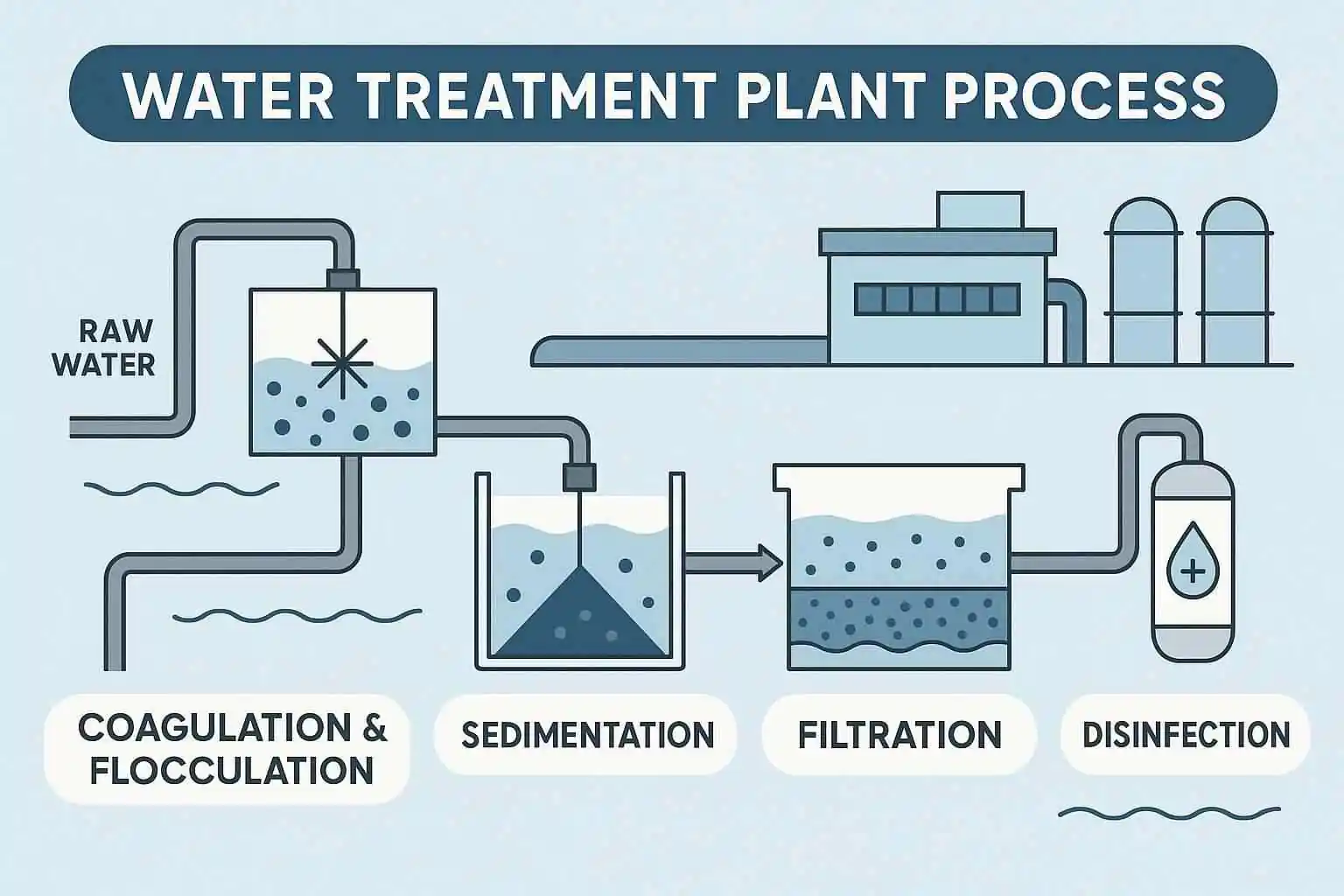
The Hidden Cost of Ignoring PAM Failure
When polyacrylamide does not perform well:
- Sludge dewatering efficiency drops
- Chemical consumption increases
- Electricity costs rise
- Treatment capacity decreases
- Compliance risks increase
Small performance problems can create large operational losses.
How to Ensure Stable PAM Performance
To avoid polyacrylamide failure:
✔ Choose correct molecular weight and ionic type
✔ Store properly
✔ Dissolve correctly
✔ Use fresh solution
✔ Adjust dosage based on real-time data
✔ Work with experienced supplier
Final Thoughts
Polyacrylamide failure is rarely caused by product defect alone. Most issues come from storage, operation, model mismatch, or process variation.
With proper selection and management, PAM can deliver:
- Strong floc formation
- Faster sedimentation
- Lower sludge moisture
- Reduced overall treatment cost
If you are experiencing flocculation problems, feel free to contact us with your wastewater parameters. We can help you select the most suitable polyacrylamide model for stable and efficient treatment.

