
Polyacrylamide (PAM) is widely used in wastewater treatment, sludge dewatering, sand washing, mining, and industrial processes. However, many plants face on-site problems even when PAM is applied.
These problems are usually not caused by PAM itself, but by wrong selection, wrong dosage, or poor system matching.
This article explains the most common PAM field problems, their real causes, and practical solutions used in real plants.
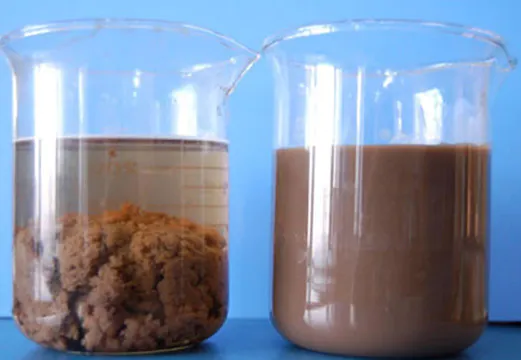
1. Poor Flocculation Effect
Common Symptoms
- Flocs are very small
- Water remains turbid
- Sedimentation is slow
- PAM dosage keeps increasing but no improvement
Main Causes
❌ Wrong PAM Type
Using cationic PAM for anionic wastewater, or wrong molecular weight.
👉 PAM selection must match:
- pH value
- Type of suspended solids
- Organic content
❌ Incorrect Dosage
- Too little → no bridging
- Too much → flocs break and re-disperse
❌ Poor Mixing Conditions
- PAM not fully dispersed
- Short reaction time
- Excessive shear force
Solutions
- Conduct jar tests before full-scale use
- Optimize molecular weight and charge density
- Adjust mixing speed and reaction time
2. Sludge Dewatering Is Not Effective
Common Problems
- Sludge cake too wet
- Mud sticks to filter cloth
- Low filtration speed
Main Causes
❌ Unstable Inlet Pressure
Fluctuating sludge pump pressure reduces floc stability.
❌ Dirty Filter Cloth
Blocked cloth prevents water release.
❌ High Clay or Fine Particles
Clay increases viscosity and traps water.
Solutions
- Stabilize inlet and pump pressure
- Clean or replace filter cloth regularly
- Use PAC + PAM combination to break clay structure
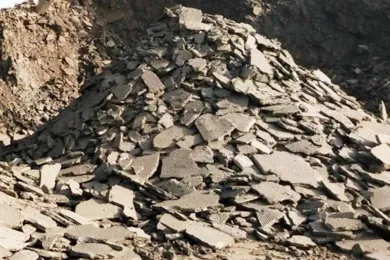
3. Muddy Water and Tank Overflow
Common Situations
- Sedimentation tank overflows
- Effluent water is muddy
- Sludge floats instead of settling
Causes
- Inlet flow too high
- Sedimentation time too short
- Overdosing PAM
Solutions
- Match inlet flow with tank capacity
- Reduce dosage and extend reaction time
- Improve baffle and flow design
4. “Water Poisoning” Phenomenon
What Is Water Poisoning?
- PAM suddenly stops working
- No flocs form
- Circulation system collapses
Common in:
- Sand washing plants
- Mining wastewater
- Variable raw materials
Root Causes
- Raw water quality changes suddenly
- Wrong chemical combination
- Excessive chemical accumulation
Solutions
- Neutralize charge using cationic PAM
- Add polyaluminum chloride (PAC) to reset coagulation
- Stabilize raw water if possible
Conclusion
Most PAM field problems are system problems, not product problems. Correct selection, dosage, mixing, and system design can greatly improve:
- Flocculation efficiency
- Sludge dewatering
- Water clarity
- Operating cost

