
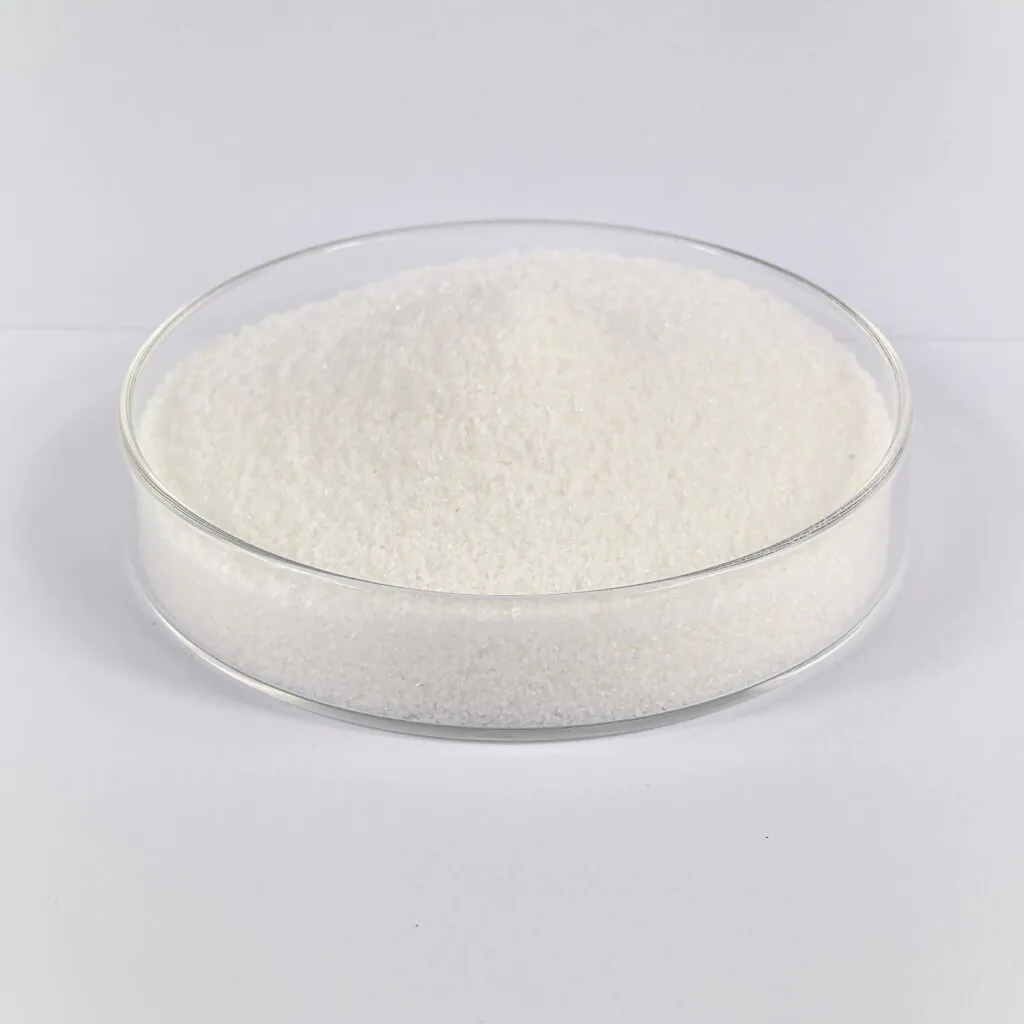
Polyacrylamide (PAM) is a general term for homopolymers of acrylamide or copolymers formed with other functional monomers. As one of the most widely used water-soluble polymers, polyacrylamide is typically supplied in the form of white granules. According to ionic characteristics, it can be classified into non-ionic, anionic, cationic, and amphoteric types, allowing it to meet different process requirements.
Due to its excellent flocculation, dispersion, and adsorption properties, polyacrylamide is widely applied throughout the papermaking process. From pulp preparation to paper formation and wastewater treatment, PAM plays an important role in improving production efficiency, paper quality, and environmental performance.
Application of Polyacrylamide in Papermaking Processes
The papermaking process involves multiple stages, including pulping, screening, cleaning, refining, and sheet forming. During these steps, a large number of fibers, fillers, fines, and impurities are generated. If these materials are not properly controlled, problems such as poor drainage, low paper strength, and high material loss may occur.
Polyacrylamide is mainly used as a dispersant, retention aid, drainage aid, sizing agent, and flocculant in papermaking. Its multifunctional performance allows paper mills to optimize both production efficiency and product quality.
Polyacrylamide as a Dispersant
When used as a dispersant, polyacrylamide helps prevent fiber agglomeration during the papermaking process. With a relatively low dosage, PAM can promote uniform fiber dispersion, leading to more stable sheet formation and improved paper uniformity.
This application improves pulp homogeneity, paper softness, and mechanical strength. It is particularly suitable for household paper products such as toilet paper, napkins, facial tissues, and other thin paper grades. In some paper mills, polyacrylamide has successfully replaced polyethylene oxide (PEO), offering more stable performance and cost advantages.
Polyacrylamide as a Retention Aid
Polyacrylamide is commonly used as a retention aid to improve the retention rate of fibers and fillers. By forming larger flocs with fine particles, PAM reduces material loss during sheet formation and lowers the solid content in white water.
Improved retention not only enhances paper strength and surface properties but also reduces wastewater discharge and chemical consumption. This makes PAM an important additive for both production efficiency and environmental control in papermaking operations.
Polyacrylamide as a Drainage Aid
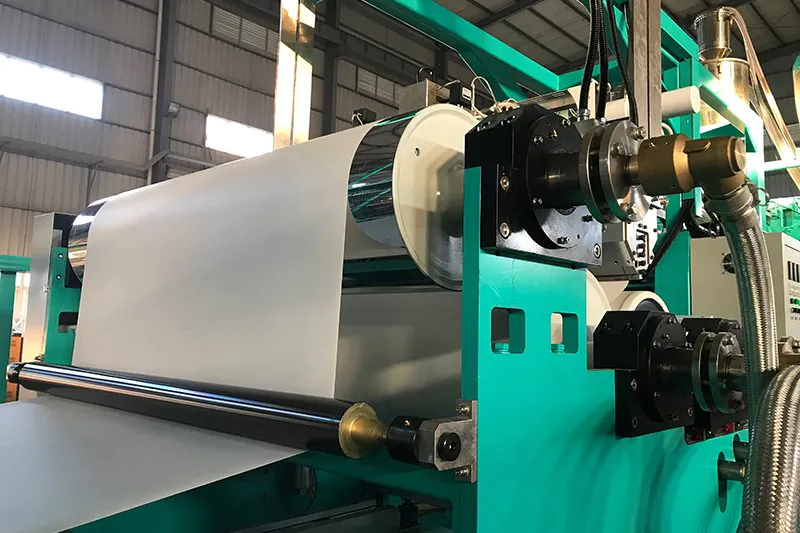
In the papermaking process, drainage performance directly affects machine speed and energy consumption. Polyacrylamide can significantly improve drainage by promoting water release from the paper sheet on the wire section.
Faster drainage shortens dewatering and drying time, allowing higher machine speed and reduced energy usage. As a result, PAM helps paper mills increase production capacity while controlling operating costs.
Polyacrylamide as a Sizing Agent
In certain applications, polyacrylamide is also used as a sizing agent to control the penetration of water and other liquids into paper. This application improves water resistance, ink holdout, and printing performance.
Sizing with PAM is especially important for paper products that must withstand moisture exposure or demanding printing processes. Proper selection of PAM type and dosage is critical to achieving the desired balance between strength and liquid resistance.
Polyacrylamide as a Flocculant in Papermaking Wastewater Treatment
Paper mills generate large volumes of wastewater containing suspended solids and organic pollutants. Polyacrylamide is widely used as a flocculant in papermaking wastewater treatment systems.
By forming large and dense flocs, PAM allows suspended solids to be efficiently removed through sedimentation or filtration. This helps paper mills reduce pollutant discharge, recycle process water, and meet environmental regulations.
[Insert Image Here – Papermaking wastewater treatment]
Value of Polyacrylamide in Papermaking Operations
Thanks to its versatile properties, polyacrylamide has become an indispensable additive in the papermaking industry. Its application spans the entire production chain, from pulp processing and paper formation to wastewater treatment.
By improving paper quality, increasing production efficiency, reducing raw material loss, and supporting environmental compliance, polyacrylamide provides both technical and economic benefits. Selecting the appropriate PAM type and working with a reliable supplier are key factors in achieving stable and long-term performance in papermaking applications.
If you need technical support or product selection guidance for polyacrylamide in papermaking, you are welcome to contact us for further assistance and sample testing.