
Power plants generate multiple types of wastewater, each with different sources, compositions, and treatment challenges.
To meet discharge standards and reduce water consumption, polyacrylamide (PAM) is widely applied as a key flocculant in power plant wastewater treatment systems.
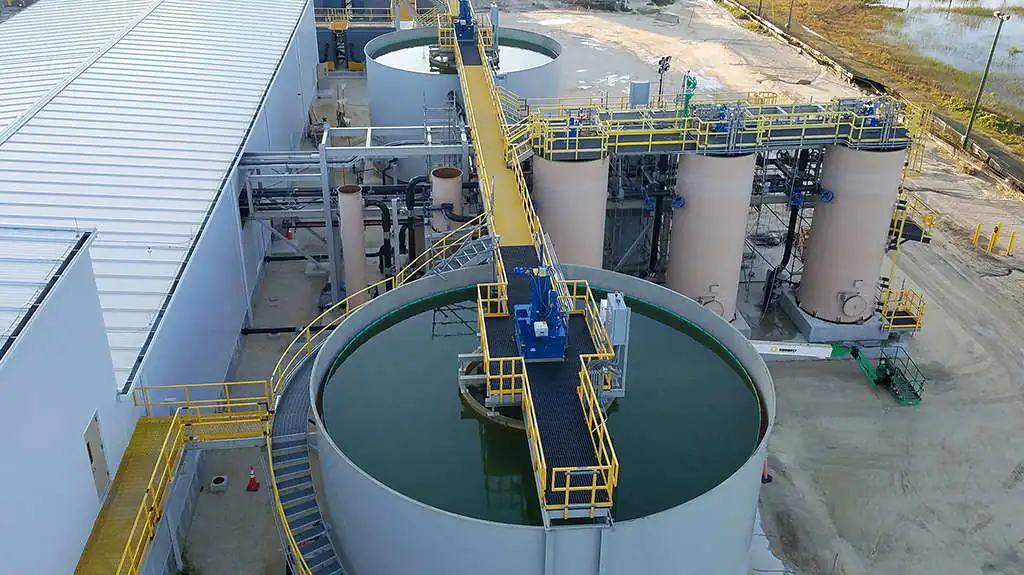
1. Main Sources of Power Plant Wastewater
Power plant wastewater can generally be divided into four categories:
- Ash washing wastewater
- Desulfurization (FGD) wastewater
- Chemical wastewater
- Oily wastewater
These wastewater streams share several typical characteristics:
- Large fluctuations in water quality and flow rate
- Mostly inorganic pollutants, with oil as the main organic contaminant
- Frequent intermittent discharge rather than continuous flow
2. Role of Polyacrylamide in Ash Washing Wastewater Treatment
Ash washing wastewater mainly comes from:
- Bottom ash flushing
- Fly ash hydraulic conveying systems
This type of wastewater contains:
- High concentrations of suspended solids
- Fine ash particles that settle slowly
Why PAM Is Critical in Ash Water Treatment
The first goal of ash wastewater treatment is reducing water consumption, followed by reuse or compliant discharge. Polyacrylamide plays a vital role by:
- Promoting rapid flocculation of fine ash particles
- Improving sedimentation speed
- Producing clear supernatant suitable for reuse
Only when flocculation and sedimentation are efficient can ash washing water be recycled back into the system.
3. Application of PAM in Desulfurization Wastewater (FGD)
Desulfurization wastewater is one of the most difficult streams to treat in thermal power plants.
Water Quality Characteristics
Pollutants mainly originate from:
- Flue gas impurities
- Limestone used in desulfurization
Typical contaminants include:
- Suspended solids
- Sulfites and sulfates
- Heavy metal ions
Many of these are priority pollutants strictly regulated by environmental standards.
How PAM Improves FGD Wastewater Treatment
Because of the complex water chemistry, desulfurization wastewater requires high-performance flocculation. Polyacrylamide helps by:
- Aggregating fine suspended solids
- Enhancing heavy metal precipitation efficiency
- Improving sludge dewatering performance
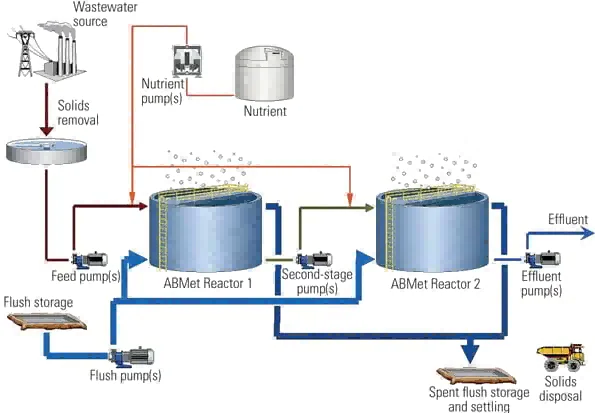
4. PAM in Chemical and Oily Wastewater from Power Plants
Chemical and oily wastewater is a collective term for several drainage streams, including:
- Cooling water blowdown
- Acid and alkali regeneration waste
- Coal conveying system flushing water
- Oily wastewater from equipment maintenance
- Cooling tower sewage
Treatment Challenges
- Highly variable pollutant composition
- Changing flow rates
- Mixed pollutants (oil, organic matter, suspended solids)
Function of Polyacrylamide
In these systems, PAM is mainly used to:
- Enhance oil–water separation
- Improve removal of suspended solids
- Stabilize treatment performance under fluctuating conditions
5. Why Polyacrylamide Is Widely Used in Power Plants
Compared with other flocculants, PAM offers several advantages:
- High efficiency at low dosage
- Strong adaptability to changing water quality
- Reduced sludge volume
- Easy operation and dosing control
Because of these benefits, polyacrylamide has become a standard flocculation agent in modern power plant wastewater treatment systems.
Conclusion
Power plant wastewater treatment involves multiple complex streams, each requiring reliable solid–liquid separation.
Polyacrylamide plays a crucial role in:
- Ash washing wastewater reuse
- Desulfurization wastewater compliance
- Chemical and oily wastewater stabilization
With proper selection and dosing, PAM significantly improves treatment efficiency, water reuse rates, and environmental compliance in power plants.