 Skip to content
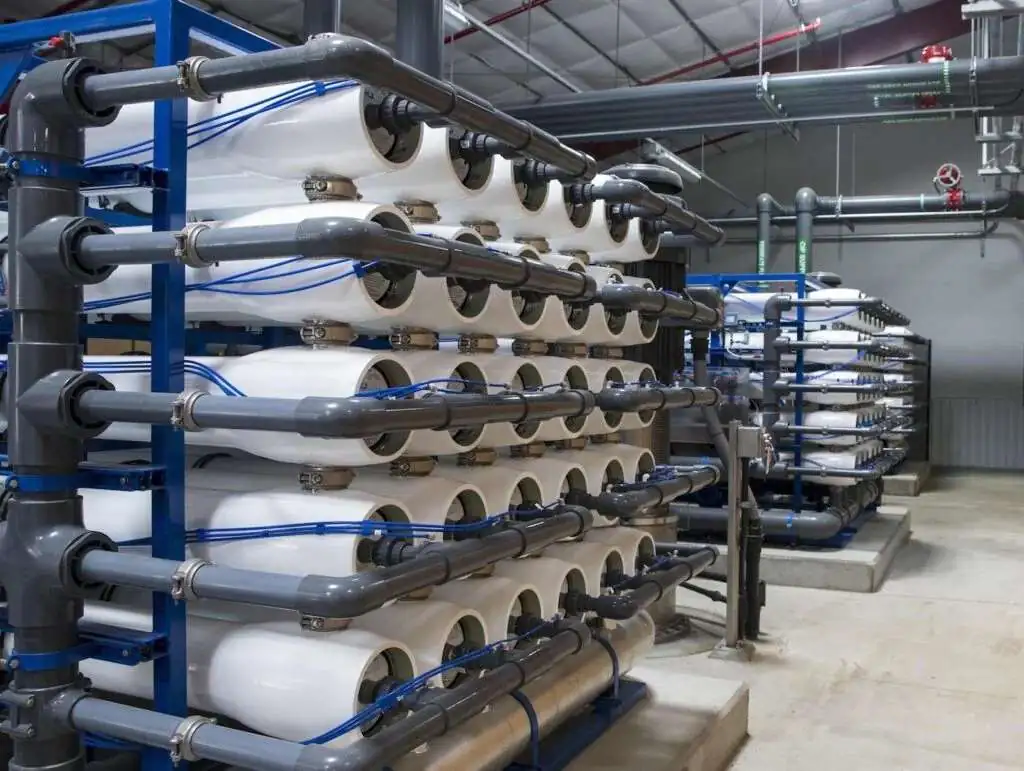
Reverse osmosis (RO) is widely used in seawater desalination, brackish water treatment, and ultrapure water production. However, RO membranes are highly sensitive to fouling, scaling, and chemical damage. Effective pretreatment is essential to ensure long-term membrane performance and operational efficiency.
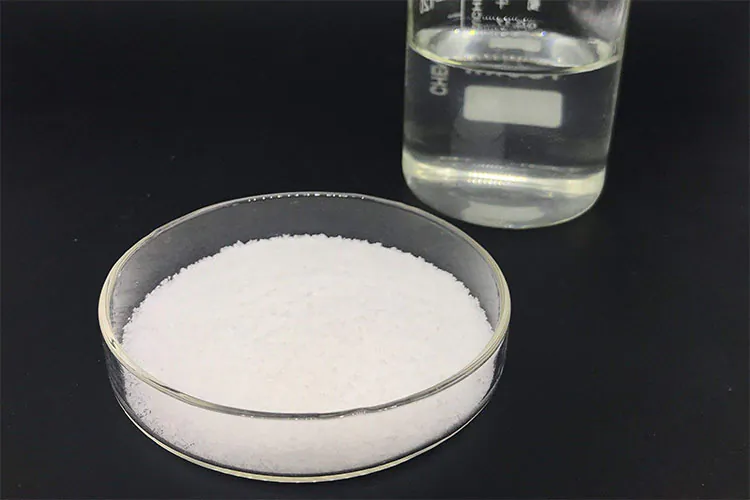
Polyacrylamide (PAM), a water-soluble polymer, plays a critical role in RO pretreatment systems by enhancing solid-liquid separation and improving feed water quality.
Why Pretreatment Is Critical for RO Systems
Proper pretreatment protects RO membranes and ensures stable operation by:
- Removing suspended solids and turbidity
- Reducing organic matter and COD
- Controlling microbial growth
- Preventing scaling from dissolved salts
Typical RO feed water requirements include:
- SDI (Silt Density Index) < 5
- Turbidity < 1.0 NTU
- Minimal residual chlorine
Polyacrylamide-based coagulation-flocculation programs are highly effective in meeting these standards.
How Polyacrylamide Works in RO Pretreatment
Polyacrylamide enhances coagulation and flocculation processes through two main mechanisms:
1. Charge Neutralization
Cationic polyacrylamide neutralizes negatively charged colloidal particles, destabilizing them and promoting aggregation.
2. Adsorption and Bridging
Long polymer chains:
- Attach to multiple particles
- Form larger, denser flocs
- Improve sedimentation and filtration efficiency
When combined with inorganic coagulants such as Polyaluminum Chloride (PAC) or ferric salts, PAM significantly improves turbidity and SDI reduction.
Key Advantages of Polyacrylamide in RO Pretreatment
Improved Fouling Control
Effectively removes fine particles and colloids, reducing membrane surface fouling.
Lower SDI Values
Directly contributes to achieving SDI < 5, critical for membrane warranty compliance.
Enhanced Filtration Performance
Improves multimedia filter, microfiltration (MF), and ultrafiltration (UF) efficiency by forming larger flocs.
Cost-Effective Treatment
Low dosage requirements (typically around 3.0 mg/L) provide high performance at minimal chemical cost.
Synergy with Coagulants
Works efficiently with PAC or ferric coagulants to create a tailored pretreatment program for seawater or brackish water.
Application Guidelines and Best Practices
To ensure optimal RO pretreatment performance:
1. Dosage Optimization
- Typical dosage: 2–5 mg/L
- Avoid overdosing to prevent polymer fouling
2. Correct Product Selection
- Cationic PAM for negatively charged colloids
- Anionic or non-ionic types for specific feed conditions
3. Proper Injection and Mixing
- Inject after primary coagulant
- Ensure rapid mixing followed by gentle flocculation
4. Membrane Compatibility
Confirm compatibility with polyamide composite RO membranes.
Case Example: Seawater RO Pretreatment
In a seawater treatment study:
- Polyferric Chloride (5.0 mg/L)
- Polyacrylamide (3.0 mg/L)
- pH adjusted to ~11
Results achieved:
- Turbidity < 1.0 NTU
- SDI < 4.0
- CODMn < 3.0 mg/L
The treated water fully met RO feed water standards, ensuring stable membrane operation.
Conclusion
Polyacrylamide is an essential component in reverse osmosis pretreatment systems. By improving flocculation efficiency, reducing turbidity and SDI, and protecting expensive RO membranes, PAM significantly enhances plant reliability and cost-effectiveness.
When combined with high-quality coagulants like PAC, polyacrylamide forms a powerful solution for seawater desalination, brackish water treatment, and industrial ultrapure water production.
For optimized RO pretreatment solutions and technical support, contact our team today.


