
Industrial wastewater containing phosphorus is difficult to treat. If discharged directly, it can seriously pollute rivers and lakes. To remove phosphorus effectively, chemical precipitation is widely used.
Common phosphorus removal agents include:
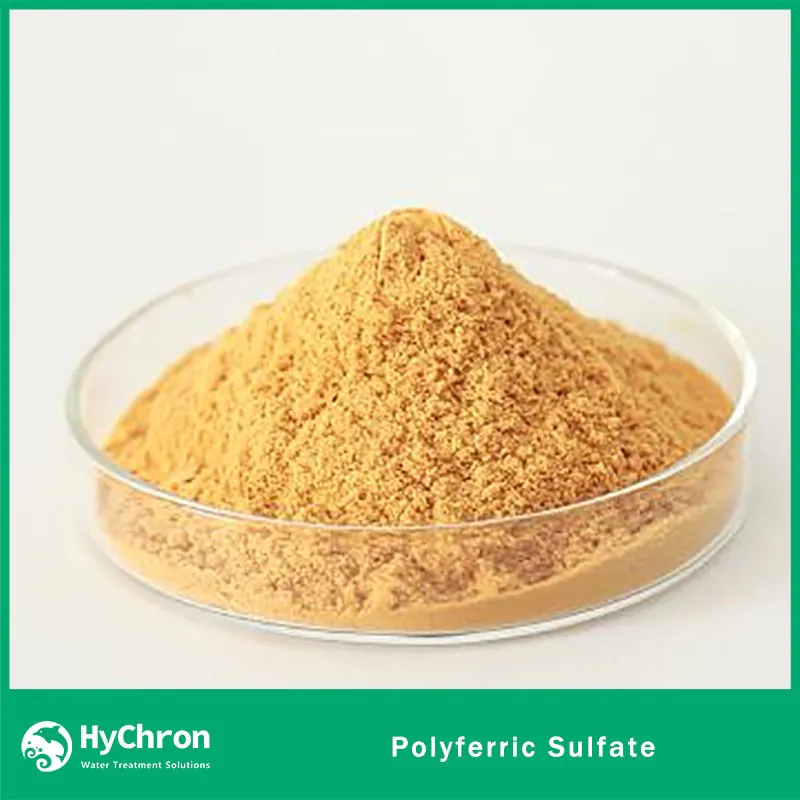
- Polymeric Ferric Sulfate (PFS)
- Poly Aluminum Chloride (PAC)
Among them, polymeric ferric sulfate is often preferred due to:
- Strong coagulation ability
- Fast settling speed
- Good phosphorus precipitation effect
- Relatively low treatment cost
However, many operators overlook one key issue:
👉 What happens if polymeric ferric sulfate is overdosed?
Let’s analyze the risks.
Why Phosphorus in Wastewater Is Dangerous
Excess phosphorus promotes the growth of algae and organic matter.
If untreated wastewater is discharged:
- It causes eutrophication
- Dissolved oxygen decreases
- Aquatic life dies
- Drinking water safety is threatened
Therefore, phosphorus removal is essential for environmental protection and regulatory compliance.
How Polymeric Ferric Sulfate Removes Phosphorus
Polymeric ferric sulfate is a high molecular weight inorganic flocculant.
It works by:
- Reacting with phosphate ions
- Forming insoluble precipitates
- Settling quickly through coagulation
Compared with biological phosphorus removal (about 70% removal efficiency), chemical phosphorus removal using PFS can achieve:
- Faster reaction
- Higher removal efficiency
- More stable performance
But dosage control is critical.
The Hazards of Excessive Polymeric Ferric Sulfate Dosage
1. Excess Sludge Production
Overdosing leads to:
- Increased metal hydroxide formation
- Higher sludge volume
- Increased sludge treatment cost
More sludge means:
- Higher disposal cost
- More dewatering difficulty
- Increased operational burden
2. Yellowish Water Appearance
Iron salt phosphorus removal agents contain iron ions.
If added excessively:
- Iron ions remain in treated water
- Effluent may appear yellow
- Water clarity decreases
This directly affects discharge compliance.
3. Decrease in pH Value
Polymeric ferric sulfate is weakly acidic.
Excessive addition will:
- Increase water acidity
- Reduce pH value
- Affect biological treatment systems
Low pH can:
- Inhibit microbial activity
- Reduce overall treatment efficiency
4. Increased Sludge Treatment Difficulty
Excess iron and inorganic salts in sludge will:
- Increase sludge density
- Reduce dewatering performance
- Raise disposal cost
In severe cases, it may:
- Overload sludge handling equipment
- Increase energy consumption
How to Avoid Overdosing Phosphorus Removal Agents
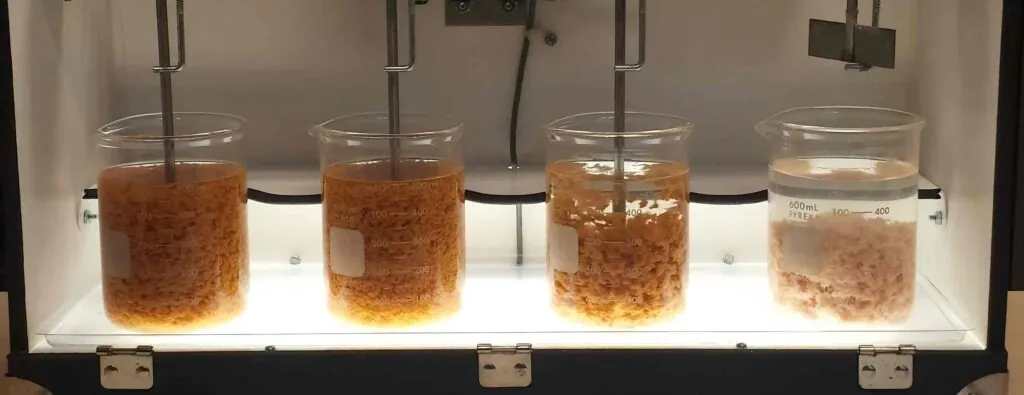
The key is scientific dosing control.
1. Conduct Jar Test Before Use
Before large-scale application:
- Test different dosage levels
- Measure phosphorus removal efficiency
- Monitor pH changes
- Observe sludge volume
This helps determine the optimal dosage.
2. Re-Test When Water Quality Changes
Industrial wastewater is not stable.
Changes in:
- Production process
- Influent phosphorus concentration
- Flow rate
Require new testing to adjust dosage.
Failing to adjust dosage may lead to:
- Overuse
- Increased cost
- Poor treatment performance
3. Combine with Proper Process Control
For better phosphorus removal:
- Control pH within suitable range
- Monitor effluent iron content
- Optimize sludge dewatering system
Integrated management ensures both efficiency and cost control.
Final Thoughts
Polymeric ferric sulfate is an effective and economical phosphorus removal agent.
However, excessive dosage can cause:
- Increased sludge production
- Yellow effluent
- Lower pH
- Higher treatment cost
Scientific dosage control is the key to stable and efficient phosphorus removal.
Before application:
✔ Conduct laboratory tests
✔ Monitor water quality regularly
✔ Adjust dosage when conditions change
Proper use not only improves treatment efficiency, but also reduces operational costs and ensures stable discharge compliance.