 Skip to content
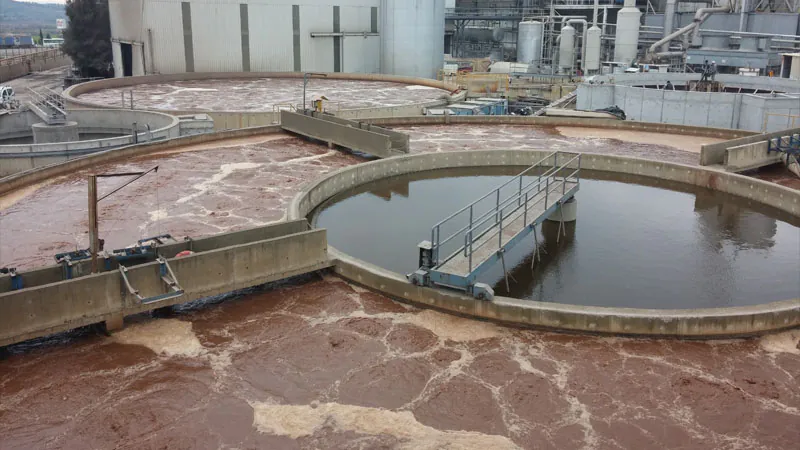
Food processing plants generate large amounts of wastewater every day. This wastewater often contains high levels of organic pollutants such as fats, proteins, sugars, and food particles. If these pollutants are not removed efficiently, they can increase treatment costs and make it difficult for factories to meet discharge standards.
Many treatment plants face problems such as high COD, high BOD, and excessive suspended solids. These pollutants place heavy pressure on biological treatment systems and can reduce the overall efficiency of the treatment process.
Polyacrylamide (PAM) is widely used in the food processing industry to solve these problems. As a high-efficiency flocculant, PAM helps remove suspended solids and organic matter before biological treatment begins. This reduces the load on treatment systems and improves overall performance.
Why Organic Load Is High in Food Processing Wastewater
Food production processes involve washing, cutting, cooking, and cleaning operations. These activities release many organic substances into wastewater.
Common pollutants include:
- Animal fats and grease
- Protein residues
- Sugars and starch
- Vegetable fibers
- Suspended food particles
Because of these pollutants, wastewater from food processing plants usually shows:
- High COD (Chemical Oxygen Demand)
- High BOD (Biological Oxygen Demand)
- High suspended solids (SS)
If this wastewater enters biological treatment systems without proper pre-treatment, several problems may occur:
- Overloading of aeration systems
- Poor sludge settling
- Increased sludge production
- Higher operating costs
This is why many treatment plants use flocculation and sedimentation processes before biological treatment.
👉 Related reading:
How Polyacrylamide (PAM) Boosts Wastewater Treatment Efficiency
How Polyacrylamide Helps Reduce Organic Load
Polyacrylamide works by improving the separation of solids from water. Its long polymer chains capture small particles and form larger flocs.
These flocs settle quickly in sedimentation tanks.
Charge Neutralization
Many organic particles carry electrical charges. PAM neutralizes these charges and destabilizes the particles.
Once destabilized, particles combine to form larger aggregates.
Polymer Bridging
PAM molecules connect multiple particles together through polymer chains. This process creates larger and heavier flocs.
Larger flocs settle faster and remove organic matter more effectively.
Faster Solid-Liquid Separation
When flocs settle quickly, suspended solids are removed from wastewater before biological treatment.
Benefits include:
- Lower suspended solids
- Reduced organic load
- Improved water clarity
- More stable treatment performance
Applications in Different Food Processing Industries
Polyacrylamide is widely used in many food processing sectors.
Meat Processing Plants
Wastewater from slaughterhouses contains blood, fat, and protein residues. These pollutants create very high COD levels.
Cationic PAM is commonly used to remove suspended proteins and organic solids, significantly reducing the treatment load.
Dairy Processing Facilities
Dairy wastewater contains milk residues, fats, and lactose. These substances can cause high BOD levels and poor sludge settling.
PAM improves flocculation and helps remove milk solids before biological treatment.
Fruit and Vegetable Processing
Wastewater from vegetable washing often contains starch, plant fibers, and suspended debris.
Anionic PAM is commonly used to improve sedimentation and remove suspended particles.
👉 You may also read:
Brewery Effluent Treatment Using PAM
How to Choose the Right PAM
Selecting the correct polyacrylamide grade is very important for achieving good treatment results.
Polymer Type
Different wastewater compositions require different PAM types.
| Wastewater Type | Recommended PAM |
|---|---|
| Meat processing | Cationic PAM |
| Dairy wastewater | Cationic PAM |
| Vegetable processing | Anionic PAM |
Molecular Weight
High molecular weight PAM usually produces larger and stronger flocs.
Typical molecular weight used in wastewater treatment ranges from:
8–15 million
Dosage Control
Correct dosage ensures stable treatment performance.
Typical dosage range:
1–5 ppm
Jar testing is recommended to determine the optimal dosage for each treatment plant.
Advantages of Using High-Quality PAM
Using high-quality polyacrylamide provides several benefits for food processing wastewater treatment.
Better Flocculation Performance
High molecular weight polymers create larger flocs and improve sedimentation efficiency.
Lower Sludge Treatment Cost
Stronger flocs produce denser sludge that is easier to dewater.
Reduced Chemical Consumption
Efficient PAM products work effectively at low dosages, reducing chemical usage.
Stable Treatment Results
High-quality PAM maintains consistent performance even when wastewater conditions change.
Our polyacrylamide products offer several advantages:
- High molecular weight for strong floc formation
- Fast dissolution and easy operation
- Stable performance in different wastewater conditions
- Strict quality control during production
These advantages help treatment plants achieve higher efficiency and lower operating costs.
Conclusion
Food processing wastewater often contains high levels of organic pollutants. Without effective pre-treatment, these pollutants can overload biological treatment systems and increase treatment costs.
Polyacrylamide provides an efficient solution for reducing organic load. By improving flocculation and sedimentation, PAM removes suspended solids and organic matter before biological treatment begins.
This improves treatment efficiency, reduces sludge problems, and helps plants meet environmental discharge standards.
If your wastewater treatment system is struggling with high COD, poor settling, or unstable performance, choosing the right polyacrylamide can greatly improve results.
Contact us today to get professional guidance and high-quality PAM products for your wastewater treatment system. Our team can help you select the best solution and improve your treatment efficiency immediately.


