 Skip to content
In modern wastewater treatment, selecting the right chemical agents is crucial for ensuring efficient and environmentally compliant operations. Among various coagulants, Poly Aluminium Chloride (PAC) stands out for its superior performance in solid-liquid separation and contaminant removal.
Understanding the function and advantages of PAC helps treatment plants optimize dosing strategies, improve effluent quality, and reduce operational costs.
What Is Poly Aluminium Chloride (PAC)?
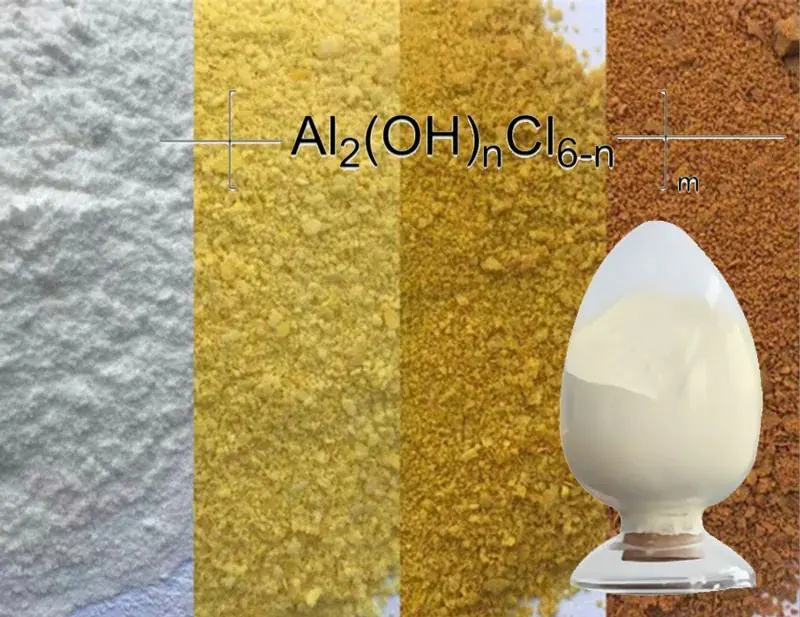
Poly Aluminium Chloride is an inorganic polymer coagulant produced by reacting aluminum-containing materials with hydrochloric acid under controlled conditions. Its polymeric aluminum species carry a strong positive charge, enabling it to effectively destabilize negatively charged colloidal particles in wastewater.
Compared to traditional aluminum sulfate (alum), PAC offers higher charge density, faster floc formation, and better adaptability across varying water qualities.
3 Key Functions of PAC in Wastewater Treatment
1. Efficient Coagulation and Flocculation
PAC neutralizes the negative surface charges of suspended particles, reducing electrostatic repulsion and allowing aggregation. Once destabilized, particles combine into microflocs.
Its polymeric structure enhances bridging between particles, forming larger and denser flocs that settle quickly. This significantly improves clarification efficiency and reduces turbidity.
2. Broad-Spectrum Contaminant Removal
PAC is highly effective in removing a wide range of pollutants, including:
- Turbidity and suspended solids
- Phosphorus through chemical precipitation
- Heavy metals via co-precipitation and adsorption
- Dissolved organic matter and color, contributing to COD reduction
This versatility makes PAC particularly suitable for complex industrial wastewater streams.
3. Improved Sludge Characteristics
The flocs formed by PAC are generally stronger and more compact than those produced by conventional coagulants. This results in:
- Lower sludge volume
- Enhanced sludge dewatering performance
- Reduced sludge handling and disposal costs
Efficient sludge conditioning contributes directly to overall plant cost optimization.
Applications in Municipal and Industrial Treatment
PAC is widely used across different treatment stages:
Primary Treatment – Rapid coagulation and sedimentation of suspended solids.
Secondary and Tertiary Treatment – Effluent polishing to meet stringent discharge standards.
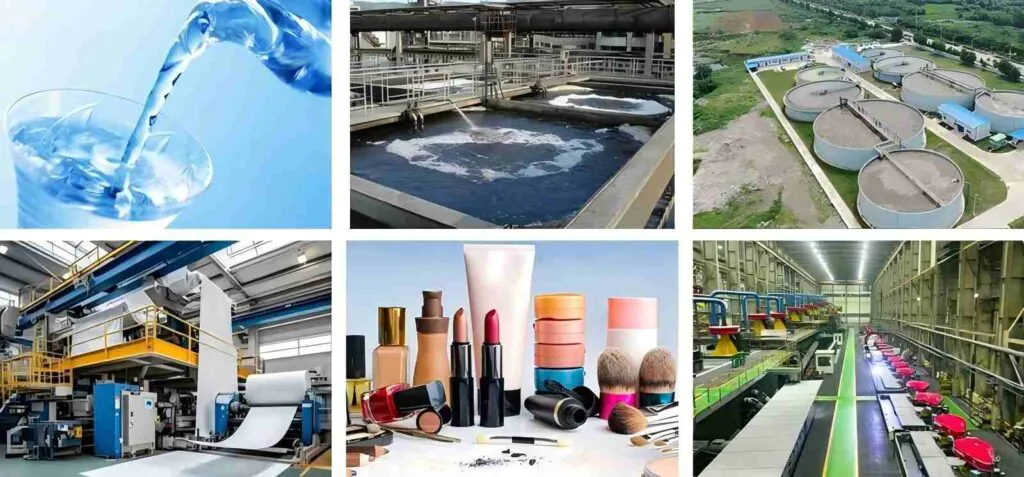
Industrial Wastewater Treatment – Particularly effective in textile, paper, tannery, and food processing industries where wastewater often contains high color, high turbidity, and elevated organic loads.
Operational Advantages of Using PAC
- Wide effective pH range (approximately 5.0–9.0)
- Lower dosage compared to alum
- Reduced alkalinity consumption
- Stable performance under varying temperature conditions
These operational benefits improve process stability and help control chemical costs.
Conclusion
Poly Aluminium Chloride (PAC) remains a cornerstone chemical in modern wastewater treatment. Its strong coagulation capability, broad contaminant removal efficiency, and operational advantages make it indispensable for municipal and industrial applications.
By optimizing PAC dosage and application strategies, treatment facilities can achieve better effluent quality, reduce sludge production, and maintain regulatory compliance while controlling operating expenses.


