
Seed treatment is an essential step in modern agricultural production. Proper seed disinfection can improve germination rates, reduce the risk of early-stage plant diseases, and ultimately increase crop yield. Among various disinfectants, sodium dichloroisocyanurate (SDIC) is widely recognized for its strong sterilizing ability, stable performance, and convenient handling. In addition to its common use in water treatment and swimming pool disinfection, SDIC is also widely applied in agricultural seed treatment.
As a strong oxidizing disinfectant, SDIC is mainly used to eliminate bacteria, fungi, and harmful microorganisms present on the surface of seeds before planting. Its effectiveness and ease of use make it an important option for both small-scale farming and large-scale agricultural production.
Application and Benefits of SDIC in Seed Treatment
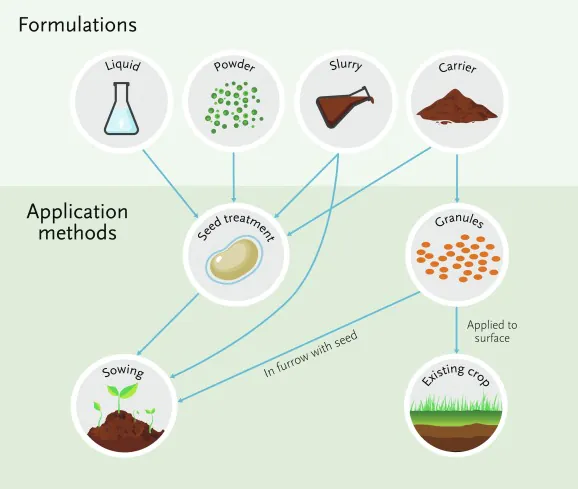
The application of sodium dichloroisocyanurate in seed treatment focuses on its broad-spectrum bactericidal and disinfecting properties. By reducing the microbial load carried by seeds, SDIC helps create better conditions for healthy seed germination and early plant growth.
One of the main uses of SDIC is seed surface disinfection. It can effectively kill bacteria, fungi, and viruses attached to seeds, preventing seed-borne diseases that often cause seedling rot and poor emergence. By eliminating these pathogens, SDIC helps improve both germination rate and seedling emergence rate, leading to more uniform crop growth. In practice, SDIC can be applied to a wide range of crops, including rice, wheat, corn, vegetables, and other economic crops.
SDIC for Seed Soaking and Germination Promotion
In addition to surface disinfection, SDIC is also used in seed soaking under controlled concentrations. At appropriate levels, SDIC soaking can soften the seed coat and improve water absorption, which promotes faster and more uniform germination. This process helps seeds enter the germination stage more smoothly, especially for crops with relatively hard seed coats.
Proper use of SDIC during soaking can also enhance seed vitality by activating enzyme activity inside the seed. As a result, treated seeds often show improved resistance during early growth stages and better tolerance to environmental stress.
Use of SDIC in Seed Coating Applications
SDIC can also be incorporated into seed coating formulations. When added to coating agents, SDIC forms a protective layer on the seed surface, providing longer-lasting antimicrobial protection during germination and early seedling development. This method is particularly useful in areas with high disease pressure.
Through controlled-release technology, the seed coating can regulate the release rate of SDIC. This ensures continuous disinfection during critical growth stages while minimizing direct chemical stress on the seed itself.
How to Use Sodium Dichloroisocyanurate in Seed Treatment
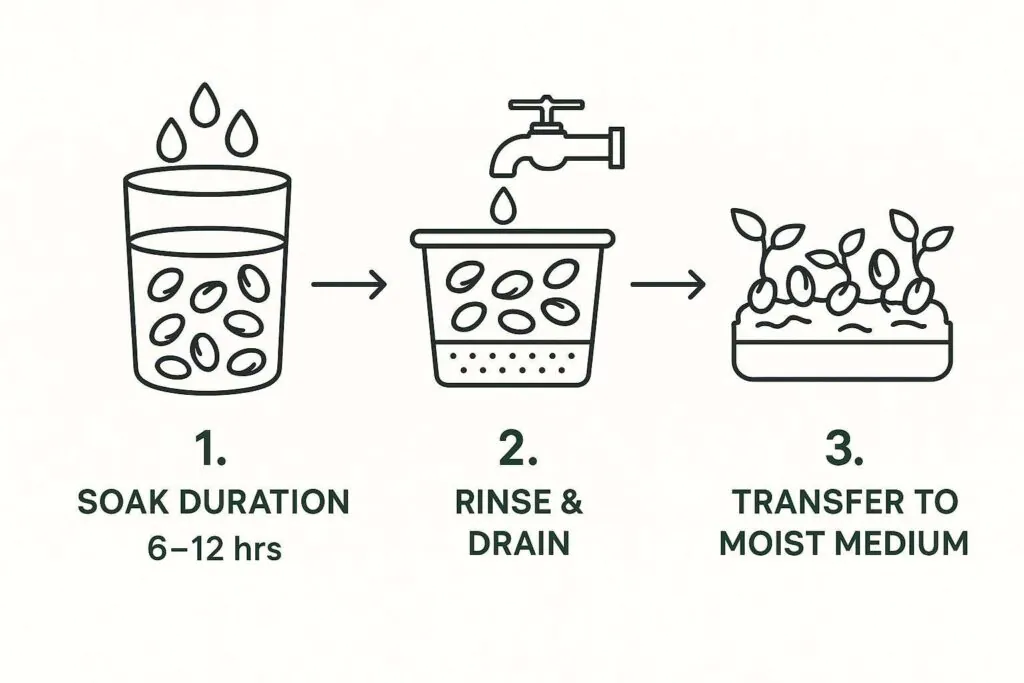
Before application, SDIC should be dissolved in clean water to prepare an aqueous solution. In most cases, a concentration of 0.1% to 0.5% (1–5 grams per liter of water) is used. The exact concentration should be adjusted according to crop type, seed sensitivity, and disease risk.
Seeds are typically soaked in the prepared solution for 10 to 30 minutes. Soaking time must be carefully controlled, as excessive exposure or high concentration may damage seeds. When higher concentrations are used, soaking time should be shortened accordingly.
After soaking, seeds should be rinsed thoroughly with clean water to remove residual disinfectant. This step helps prevent any negative impact on germination. The rinsed seeds should then be dried in a well-ventilated environment before planting to avoid clumping and ensure uniform sowing.
Precautions When Using SDIC for Seed Treatment
The concentration and soaking time of SDIC must be adjusted based on seed type and disease conditions. Improper use may affect seed viability. SDIC solutions should be prepared fresh and used immediately, as prolonged storage may reduce disinfecting effectiveness.
Seeds treated with SDIC should always be rinsed with clean water before sowing. In addition, SDIC has mild irritation and corrosive properties. Appropriate protective measures should be taken during handling to avoid direct contact with skin and eyes.
SDIC as an Efficient Agricultural Disinfectant
The use of sodium dichloroisocyanurate in seed treatment can significantly improve planting success rates and reduce disease risks during early growth stages. It is an economical and efficient disinfection method, especially suitable for large-scale agricultural operations.
Beyond seed treatment, SDIC is also widely used for disinfection in farmland, greenhouses, livestock farms, and agricultural facilities. Selecting a reliable SDIC supplier with stable product quality and technical support is essential to achieve consistent results in agricultural applications.
If you need technical guidance or product support for SDIC seed treatment, you are welcome to contact us for further information and sample testing.