Skip to content
For wastewater treatment plant operators, knowing where and how to add polyacrylamide (PAM) is essential for maximizing efficiency, reducing operating costs, and ensuring regulatory compliance.
Polyacrylamide is a high-performance flocculant that separates solids from liquids by bridging fine particles into large, fast-settling flocs. However, its effectiveness depends heavily on precise dosing at the correct stage of the treatment process.
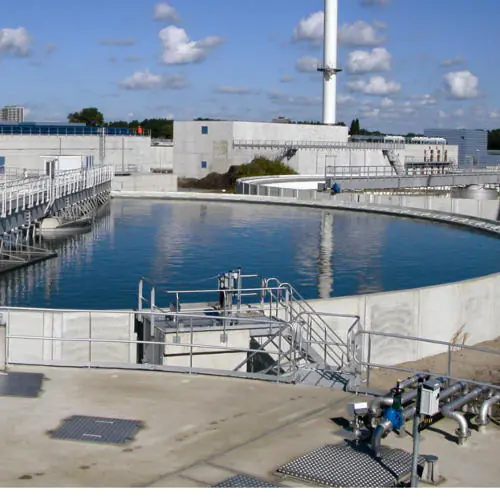
1. Primary Sedimentation / Clarification
Location:
At the inlet of the primary clarifier or in a rapid mixing chamber before clarification.
Purpose:
Acts as a coagulant aid or flocculant to enhance suspended solids removal.
Benefits:
- Improves settling rate
- Enhances effluent clarity
- Reduces organic load to downstream processes
- Lowers overall treatment costs
2. Secondary Treatment (After Biological Process)
Location:
At the outlet of the aeration basin before entering the secondary clarifier.
Purpose:
Improves settling of activated sludge after biological treatment.
Benefits:
- Prevents sludge washout
- Increases clarifier capacity
- Produces clearer final effluent
- Supports stable plant operation
This is one of the most common PAM dosing points.
3. Tertiary Treatment / Advanced Polishing
Location:
Before sand filters, membrane systems, or tertiary clarifiers.
Purpose:
Removes residual turbidity and fine particles. When combined with metal coagulants, it assists in phosphorus removal.
Benefits:
- Achieves low turbidity
- Protects filtration systems
- Ensures compliance with strict discharge standards
4. Sludge Thickening
Location:
At the inlet of gravity thickeners, DAF units, or rotary drum thickeners.
Purpose:
Conditions sludge to release bound water and improve solids concentration.
Benefits:
- Accelerates thickening
- Increases sludge solids content
- Reduces sludge volume
- Cuts transportation and disposal costs
5. Sludge Dewatering
Location:
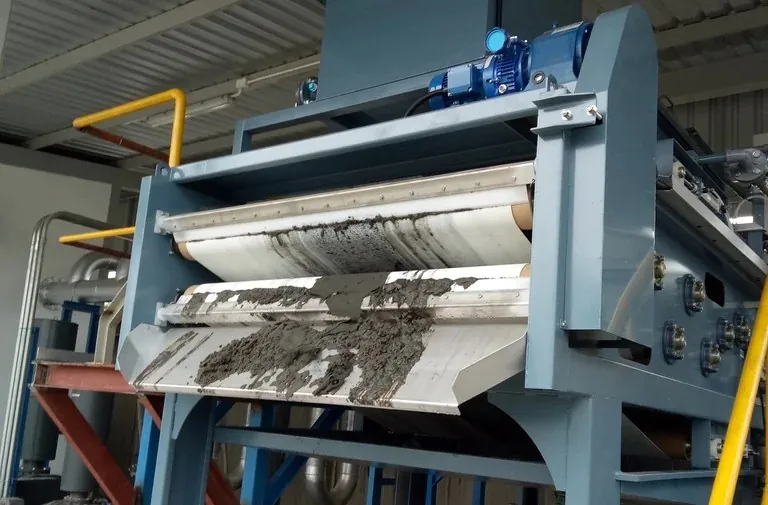
Before belt presses, centrifuges, or filter presses.
Purpose:
Enhances mechanical dewatering by forming strong, shear-resistant flocs.
Benefits:
- Produces drier sludge cake
- Improves solids capture rate
- Reduces disposal costs
- Increases equipment efficiency
Key Considerations for Effective PAM Dosing
Jar Testing Is Essential
Determine the optimal:
- PAM type (anionic, cationic, non-ionic)
- Molecular weight
- Dosage
Proper Mixing Strategy
- Rapid initial mixing for dispersion
- Gentle flocculation to avoid shear damage
Correct Polymer Preparation
- Use automated make-down systems
- Maintain recommended concentration (0.1%–0.3%)
- Avoid “fish-eyes” (undissolved clumps)
Partner with Experts for Optimal Results
Selecting the right polyacrylamide is only part of the solution. Strategic dosing and proper application turn a quality product into measurable performance improvements.
HyChron provides high-performance polyacrylamide products along with professional technical guidance to help you determine optimal dosing points and conditions.
Contact us today for consultation and free product samples.