Skip to content
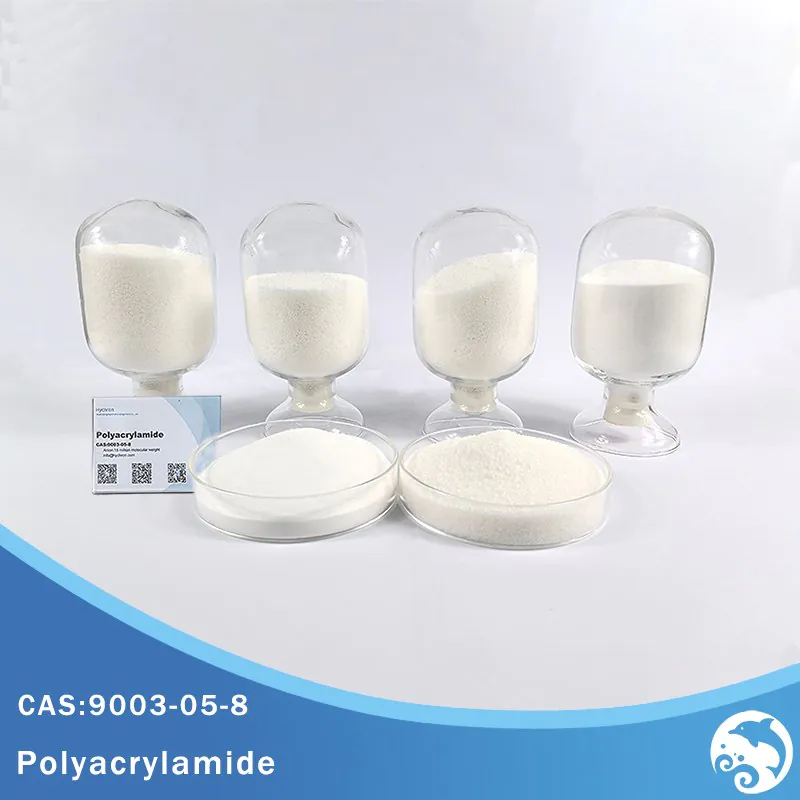
Polyacrylamide (PAM) is often referred to as the “versatile industrial auxiliary” or “hundred-industries helper.”
This reputation comes from its highly tunable molecular structure — including various ionic types, molecular weights, and functional groups — combined with exceptional multifunctionality such as thickening, flocculation, drag reduction, adhesion, film formation, and water retention.
Thanks to these properties, polyacrylamide solves critical technical challenges across numerous industries and quietly supports modern industrial production and daily life.
I. Extreme Functional Diversity – A Multi-Talented Polymer
Polyacrylamide is not a single-function chemical, but a functional platform polymer capable of performing multiple core roles.
Key Functional Capabilities
- Thickening & Rheology Modification
Significantly increases viscosity in liquids such as personal care formulations, fracturing fluids, and drilling muds. - Efficient Flocculation
Aggregates suspended particles through adsorption and bridging, widely used in water treatment, mining, and papermaking. - Drag Reduction
Reduces frictional resistance during fluid flow in pipelines, firefighting systems, and slurry transportation. - Adhesion & Film Formation
Forms strong films for textile sizing, seed coating, and construction adhesives. - Water Retention & Soil Stabilization
Retains moisture and improves soil structure for agriculture and sand fixation. - Gel Formation
Creates highly absorbent hydrogels when crosslinked, used in medical dressings, electrophoresis gels, and horticulture.
It is extremely rare for a single chemical auxiliary to possess such a broad set of fundamental functions.
II. Exceptionally Broad Application Coverage
Polyacrylamide is present in nearly all major industrial sectors.
Typical Application Areas
- Energy Extraction
Oil displacement agents, drilling fluid viscosifiers, fracturing fluid thickeners, oilfield wastewater treatment. - Environmental Protection
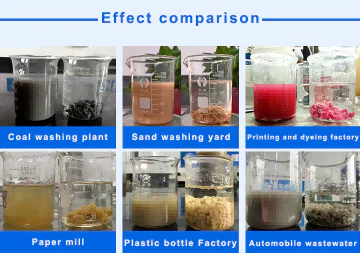
Municipal and industrial wastewater flocculation, sludge dewatering, drinking water purification, river and lake remediation. - Papermaking
Retention and drainage aids, paper strength enhancement, papermaking wastewater treatment. - Mining & Metallurgy
Slurry settling, tailings concentration, concentrate filtration, smelting wastewater treatment. - Textiles & Dyeing
Warp sizing, fabric finishing, printing thickeners, dyeing wastewater purification. - Personal Care & Cosmetics
Thickeners for shampoos and shower gels, toothpaste binders, skincare stabilizers. - Construction & Building Materials
Cement and mortar modifiers, coating thickeners, tile adhesives, concrete curing agents. - Agriculture
Soil water-retaining agents, fertilizer carriers, seed coatings, soil conservation. - Food Industry
Juice clarification and beer stabilization (food-grade PAM only). - Biomedicine
Drug sustained-release carriers, electrophoresis gels, medical dressing materials. - Electronics Industry
Semiconductor processing fluids and battery electrode binders.
Its applications span almost every key industrial field.
III. Precisely Tailorable Performance
One of PAM’s greatest advantages is its customizable molecular design.
Ionic Type Customization
- Anionic PAM
Suitable for metal-ion wastewater and high-pH environments. - Cationic PAM
Highly effective for negatively charged organic matter such as sludge and municipal sewage. - Non-ionic PAM
Resistant to acid, alkali, and salt; suitable for complex water conditions. - Amphoteric PAM
Adaptable across wide pH and ionic strength ranges.
Molecular Weight Control
- Ultra-high MW (>15 million)
Strong flocculation and thickening for oil recovery and water treatment. - Medium MW
Balanced performance for coatings and personal care products. - Low MW
Dispersion and drag reduction for transport and firefighting systems.
This “made-to-measure” capability allows PAM to precisely meet industry-specific requirements.
IV. Solving Industry Pain Points with Measurable Benefits
Polyacrylamide delivers significant efficiency and cost advantages:
- Oil Extraction
Improves oil recovery by 10–30%. - Wastewater Treatment
Increases sludge dewatering efficiency by over 50%. - Papermaking
Enhances fiber retention by 20–30%. - Mineral Processing
Accelerates settling speed and improves water recycling. - Agriculture
Saves up to 50% irrigation water and improves crop survival.
V. Irreplaceability in Critical Applications
In many fields, PAM is either the optimal or irreplaceable solution:
- No synthetic flocculant surpasses PAM in overall water treatment efficiency.
- Ultra-high molecular weight PAM is the core material for polymer flooding in EOR.
- High-end personal care products rely on its unique rheology control.
- Modern papermaking cannot operate efficiently without PAM-based retention aids.
Conclusion
Polyacrylamide earns the title “versatile industrial auxiliary” because it combines:
- Comprehensive multifunctionality
- Near-universal industry penetration
- Flexible molecular customization
- Proven economic and technical benefits
- Irreplaceable roles in key applications
Though often invisible, PAM silently underpins modern industrial systems, making it ordinary in appearance yet indispensable in function.