
Fixed PAC dosage, inconsistent results — this is one of the most common complaints we hear from plant operators. PAC is a reliable coagulant, but its performance depends on six process variables that shift constantly with influent quality and operating conditions. Understanding which factor is limiting your system on any given day is what separates reactive troubleshooting from stable, predictable treatment.
Factor 1: pH — The Most Critical Variable
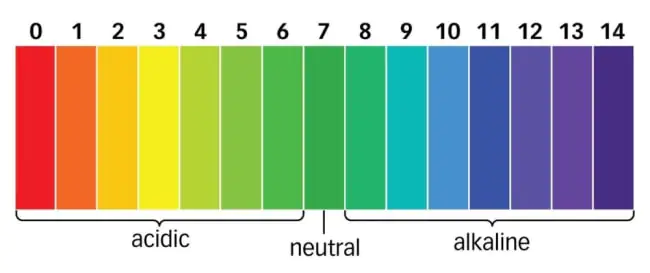
PAC coagulation depends on aluminum hydroxide floc formation, which only occurs within a specific pH window. Outside that window, the chemistry simply doesn’t work regardless of dosage.
- pH < 4: Al³⁺ ions remain soluble — no floc forms, coagulation fails
- pH 6.5–7.5: Optimal — polynuclear Al(OH)₃ species form rapidly, producing strong floc
- pH > 8: Aluminum converts to soluble aluminate (AlO₂⁻) — coagulation efficiency drops sharply
Correction: Adjust low pH with lime (Ca(OH)₂) or NaOH before PAC dosing; correct high pH with dilute sulfuric acid. Measure pH at the PAC dosing point, not just at the inlet — pH can shift between the two locations in high-alkalinity wastewater.
Factor 2: Temperature — Often Overlooked in Winter
Temperature affects both hydrolysis rate and water viscosity, which together determine how quickly PAC reacts and how effectively flocs collide and grow.
| Temperature Range | Effect on PAC Performance |
|---|---|
| < 10°C | Slower hydrolysis, increased viscosity, smaller weaker flocs |
| 10–30°C | Optimal — fast hydrolysis, strong floc formation |
| > 40°C | PAC can degrade; coagulation efficiency declines |
Correction: In cold-weather operation, increase PAC dosage by 10–20% and extend flocculation time by 2–3 minutes to compensate. High-basicity PAC grades (70–90%) perform better than standard grades in low-temperature conditions.
Factor 3: Suspended Solids Characteristics
The size, charge density, and composition of suspended particles determine how much PAC is needed and whether PAM addition is necessary.
- Fine, evenly distributed particles have higher surface area — more PAC required for complete charge neutralization
- High negative charge density on particles demands higher PAC dosage to achieve charge reversal and floc formation
- High organic content — some dissolved organics complex with PAC hydrolysis products, competing with particle surfaces and reducing effective coagulant concentration
When organics are interfering with coagulation, increasing PAC dose alone often doesn’t resolve the problem. Adding PAM after PAC, or pre-oxidizing the organic fraction with chlorine or ozone before coagulation, typically delivers better results.
Factor 4: PAC Dosage — More Is Not Always Better
Underdosing leaves particles with residual negative charge that resists flocculation. Overdosing reverses particle charge from negative to positive, restabilizing the suspension — the flocculation performance actually worsens above the optimal dose. This charge reversal phenomenon is why PAC systems can appear to treat worse after a dosage increase.
Reference dosage ranges:
| Chemical Type | Typical Dosage Range |
|---|---|
| Standard alum or iron salts | 10–100 mg/L |
| PAC (polymerized coagulant) | 30–50% lower than standard salts |
| PAM (polymer flocculant) | 1–5 mg/L |
Always determine optimal dosage through jar testing on your actual wastewater. For variable influent quality, establish a turbidity-to-dosage reference chart and adjust dosage proportionally rather than holding it fixed.
Factor 5: Chemical Combinations — PAC Rarely Works Alone at Peak Efficiency
PAC coagulates; PAM flocculates. The two mechanisms address different steps in solids separation and consistently outperform either chemical used alone.
PAC + PAM sequence: Add PAC first with high-speed mixing to neutralize charge and form micro-flocs. Then add PAM at reduced mixing intensity to bridge micro-flocs into large, settleable aggregates. This sequence reduces total PAC consumption by 20–35% while improving settling speed and effluent clarity.
PAC + Lime: For acidic wastewater below pH 6, add lime to bring pH into the 6.5–7.5 optimal range before PAC dosing. Lime addition before PAC costs less than continuous acid-base adjustment and stabilizes pH more reliably in high-alkalinity systems.
Factor 6: Mixing Conditions — Sequence and Intensity Both Matter
Mixing controls how PAC distributes through the wastewater and how flocs grow after PAM addition. Wrong mixing intensity at either stage degrades performance.
| Stage | Mixing Speed | Duration | Purpose |
|---|---|---|---|
| PAC rapid mixing | 60–100 rpm (G value 200–400 s⁻¹) | 30–90 seconds | Distribute PAC uniformly before hydrolysis |
| PAM flocculation | 30–50 rpm (G value 20–50 s⁻¹) | 5–10 minutes | Grow flocs without shearing them apart |
High-speed mixing after PAM addition breaks the flocs that PAM has just formed — a common mistake that operators make when trying to improve treatment by increasing agitation. If filtrate is turbid despite correct dosing, check whether mixing intensity drops appropriately between the coagulation and flocculation stages.
FAQ
Q: How do I diagnose which of the six factors is causing my PAC performance problem?
A: Start with pH — measure at the dosing point and confirm it’s within 6.5–7.5. If pH is correct, run a jar test at your current dosage and two higher/lower levels to check whether dosage is in the optimal range. If jar test results are good but plant performance is poor, mixing conditions or chemical sequence is likely the issue. Temperature and suspended solids characteristics require seasonal adjustment rather than daily troubleshooting.
Q: What is the difference between high-basicity and standard-basicity PAC, and which performs better in cold water?
A: Basicity refers to the OH/Al ratio in PAC — higher basicity (70–90%) means more pre-formed polynuclear aluminum species that hydrolyze faster and at lower temperatures. In water below 10°C, high-basicity PAC produces measurably better floc than standard-basicity grades at the same dosage. The performance difference narrows above 20°C, where both grades have sufficient thermal energy for complete hydrolysis.
Q: Can I mix PAC and PAM together before dosing to simplify operations?
A: No — mixing PAC and PAM together causes premature reaction between the coagulant and polymer, forming gel masses that block dosing equipment and prevent either chemical from working effectively in the treatment system. They must always be dosed separately in sequence: PAC first, PAM second, with a mixing contact interval between additions.
Control These Six Variables and PAC Performance Becomes Predictable
Inconsistent PAC performance almost always traces back to one or two of these factors shifting without a corresponding adjustment in the treatment protocol. pH control and proper mixing sequence resolve the majority of cases we encounter. Seasonal temperature adjustment and systematic jar testing handle most of the rest. When all six factors are managed together, PAC-based coagulation delivers stable, cost-effective treatment across the full range of influent variability that real wastewater systems experience.
HyChron has supplied PAC and PAM coagulation solutions for industrial and municipal wastewater treatment for over 20 years. Contact our team for product recommendations or a customized coagulation protocol for your specific wastewater characteristics.