Skip to content
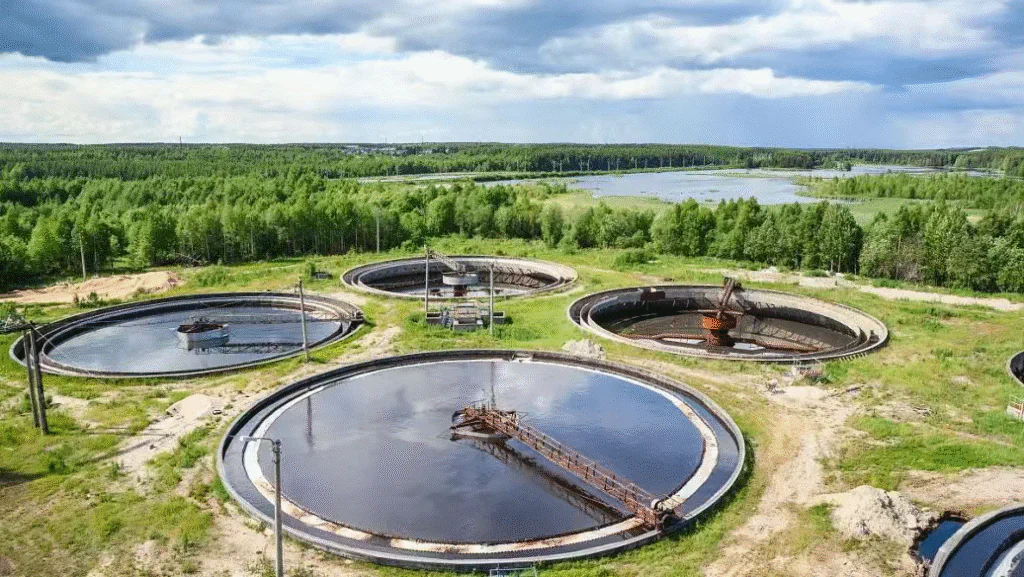
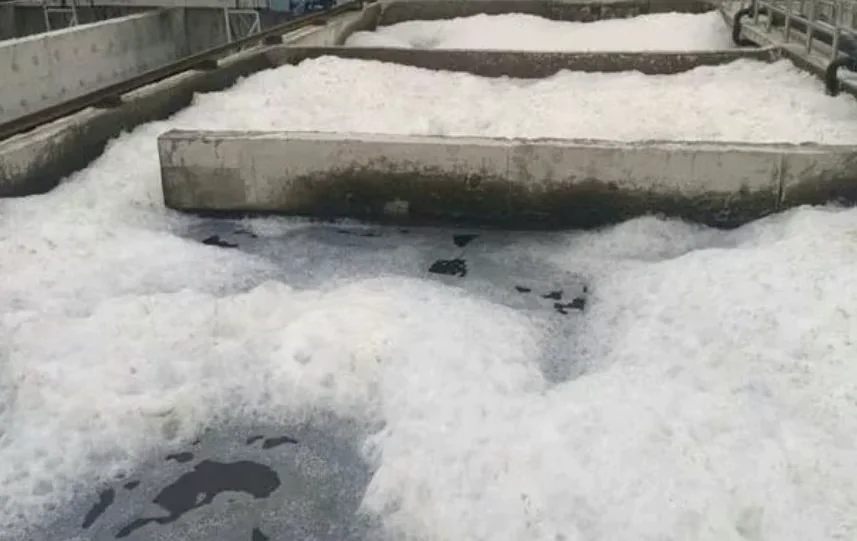
In both industrial and municipal wastewater treatment plants, the appearance of white foam on the surface of aeration tanks is a common yet frustrating problem. This foam not only affects effluent quality but may also signal potential risks in system operation.
Four Main Types of White Foam
- Surfactant Foam
- Source: laundry wastewater, starch, animal and vegetable oils
- Feature: fine, persistent, difficult to break
- Problem: leads to scum and sludge flotation
- Foam During Seeding Phase
- Cause: occurs in newly built or restarted biological systems
- Appearance: milky white, light, easily floating on the surface
- High-Load Foam
- Cause: high organic concentrations that microorganisms cannot degrade in time
- Feature: thick, sticky, hard to eliminate
- Note: considered the most difficult type of foam to manage
- Over-Aeration Foam
- Cause: excessive aeration and dissolved oxygen (DO) levels
- Feature: aged, off-white foam
- Impact: disturbs microbial activity and system balance
Solutions to White Foam
- Surfactant Foam
- Remove surfactants in pretreatment stages
- Apply water spraying or defoamer as an emergency solution
- Seeding Phase Foam
- Increase organic loading to stimulate microbial growth
- Use intermittent aeration to raise sludge concentration
- Foam usually disappears naturally as biomass builds up
- High-Load Foam
- Short-term: apply defoamer for immediate control
- Long-term: reduce influent loading, strengthen aeration, and improve substrate decomposition efficiency
- Over-Aeration Foam
- Adjust aeration rate to lower DO concentrations
- Combine with physical spraying or limited defoamer dosing
- Avoid prolonged high-load aeration operation
Conclusion
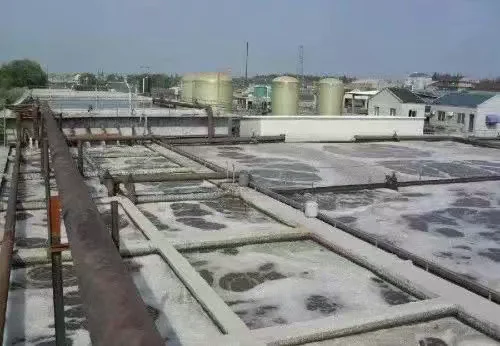
Foam in aeration tanks may appear to be a minor issue, but it directly impacts nitrogen removal efficiency, sludge concentration, and overall system stability. Correctly identifying the foam type and applying targeted solutions are essential to ensure consistent compliance and reliable wastewater treatment performance.