
Urban sewage treatment is essential for protecting the environment and public health in modern cities. As urbanization and industrial activities continue to expand, both the volume and complexity of urban wastewater have increased significantly. Efficient treatment methods are required to reduce pollution, protect aquatic ecosystems, and support the safe discharge or reuse of treated water.
Polyacrylamide (PAM) is one of the most widely used water treatment chemicals in urban sewage treatment. Thanks to its strong coagulation and flocculation properties, PAM plays a key role in improving treatment efficiency and water quality.
This article explains how PAM is used in urban sewage treatment, its working mechanism, major benefits, and optimization strategies.
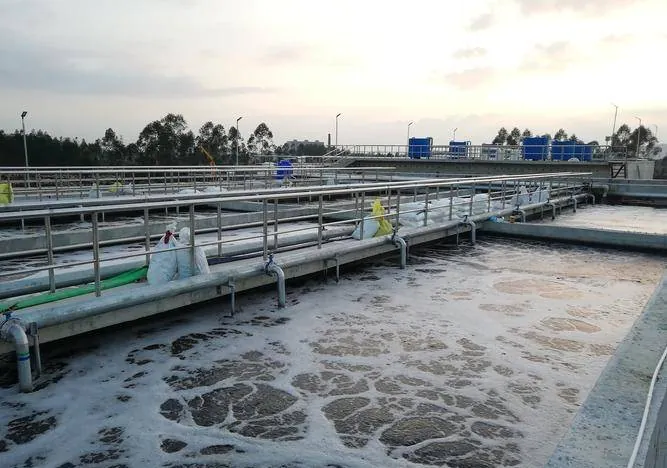
1. Characteristics of Urban Sewage and Treatment Challenges
Urban sewage contains a wide range of pollutants, including:
- Suspended solids: dirt, fibers, organic debris
- Organic matter: oils, fats, and biodegradable substances
- Nutrients: nitrogen and phosphorus compounds
- Pathogens: bacteria, viruses, and microorganisms
- Chemical pollutants: heavy metals, pharmaceuticals, industrial residues
These contaminants must be removed to meet environmental discharge standards and protect public health. Urban sewage treatment plants usually combine physical, chemical, and biological processes, and PAM is mainly used to enhance the physical and chemical treatment stages.
2. How PAM Works in Urban Sewage Treatment
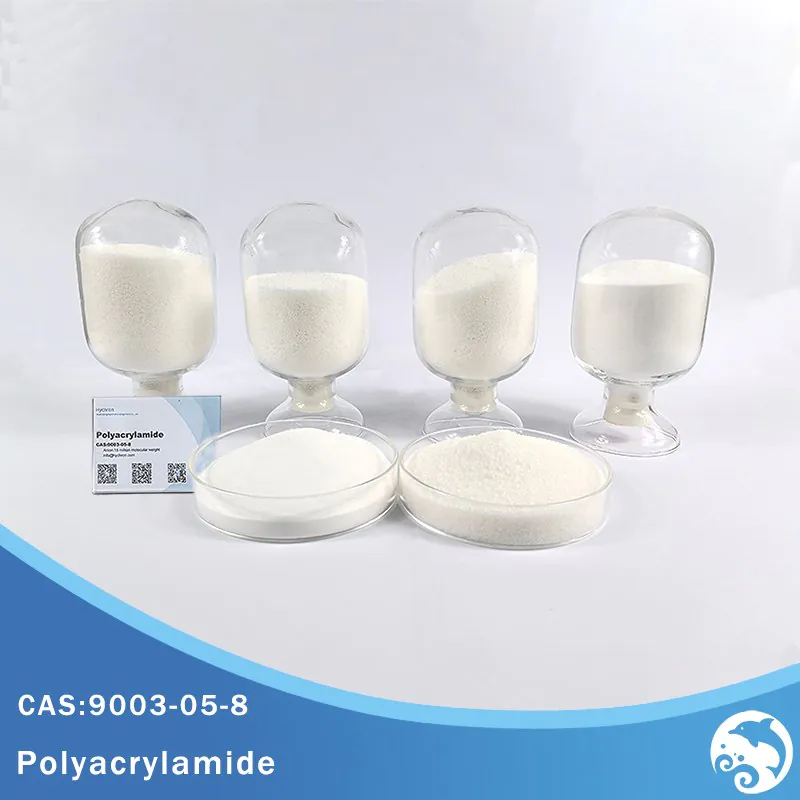
Polyacrylamide (PAM) is a water-soluble polymer that functions primarily as a flocculant and, in some cases, as a coagulant aid. It improves the aggregation and separation of fine particles that are difficult to remove by gravity alone.
a) Flocculation Mechanism
Flocculation is the process by which fine suspended particles combine into larger flocs.
- PAM’s long polymer chains adsorb onto particle surfaces
- Electrical charges are neutralized
- Particles bind together to form dense flocs
In urban sewage treatment, cationic PAM is most commonly used because it effectively attracts negatively charged substances such as organic matter, bacteria, and suspended solids.
The formed flocs can then be removed by:
- Sedimentation
- Centrifugation
- Filtration
b) Coagulation Enhancement
PAM can also act as a coagulation aid, especially when used together with traditional coagulants such as PAC or alum.
- Coagulation destabilizes fine particles
- PAM bridges particles to strengthen floc structure
- The combined process improves solid–liquid separation efficiency
This synergy reduces chemical consumption and improves system stability.
c) Removal of Organic and Inorganic Pollutants
PAM helps remove:
- Oils and grease
- Colloidal organic matter
- Particulate-bound nutrients
By improving aggregation, PAM contributes to lower COD (Chemical Oxygen Demand) and BOD (Biological Oxygen Demand) levels, resulting in cleaner effluent suitable for discharge or reuse.
3. Benefits of Using PAM in Urban Sewage Treatment
a) Efficient Removal of Suspended Solids
PAM significantly improves the removal of suspended solids, reducing turbidity and improving overall water clarity. Larger flocs settle faster and more completely.
b) Improved Sedimentation and Filtration
PAM enhances floc density and settling speed, which:
- Improves clarifier performance
- Reduces sedimentation time
- Increases filtration efficiency
This is especially beneficial for primary and secondary clarifiers, as well as sand filters and membrane systems.
c) Cost-Effective Treatment
Although PAM is a chemical additive, its high efficiency allows:
- Lower overall chemical dosage
- Reduced energy consumption
- Improved treatment throughput
This results in lower operational costs for sewage treatment plants.
d) Enhanced Nutrient Removal
By aggregating nutrient-bound particles, PAM helps reduce nitrogen and phosphorus discharge. This plays an important role in preventing eutrophication in rivers, lakes, and coastal waters.
e) Pathogen Reduction
PAM contributes to pathogen removal by:
- Aggregating bacteria and viruses into flocs
- Enhancing removal during sedimentation and filtration
This improves the hygienic quality of treated sewage, especially for non-potable reuse applications.
4. Challenges and Optimization of PAM Application
a) Dosage Optimization
Correct PAM dosage is critical:
- Underdosing leads to weak flocculation
- Overdosing may increase sludge volume
Jar testing is recommended to determine optimal dosage based on wastewater characteristics.
b) pH and Water Chemistry Control
Most PAM products perform best at pH 6.5–8.5.
Adjusting pH before dosing may be necessary to achieve stable flocculation performance.
c) Proper Polymer Selection
PAM is available as:
- Cationic
- Anionic
- Non-ionic
For urban sewage treatment, cationic PAM is generally preferred due to its strong interaction with negatively charged pollutants.
d) Sludge Management
PAM increases floc size, which may raise sludge volume.
Effective sludge management methods include:
- Mechanical dewatering
- Composting
- Thermal treatment
Optimized dosing helps minimize sludge generation and disposal costs.
Conclusion
Polyacrylamide (PAM) plays a vital role in urban sewage treatment by enhancing the removal of suspended solids, organic pollutants, nutrients, and pathogens. Through effective flocculation and coagulation support, PAM improves sedimentation, filtration efficiency, and overall effluent quality.
When applied correctly—with proper polymer selection, dosage optimization, and pH control—PAM offers a cost-effective and reliable solution for modern urban wastewater treatment. Its performance and adaptability make it an essential component of sustainable urban water management systems.