 Skip to content
Why Daily Chemical Wastewater Is Highly Unstable
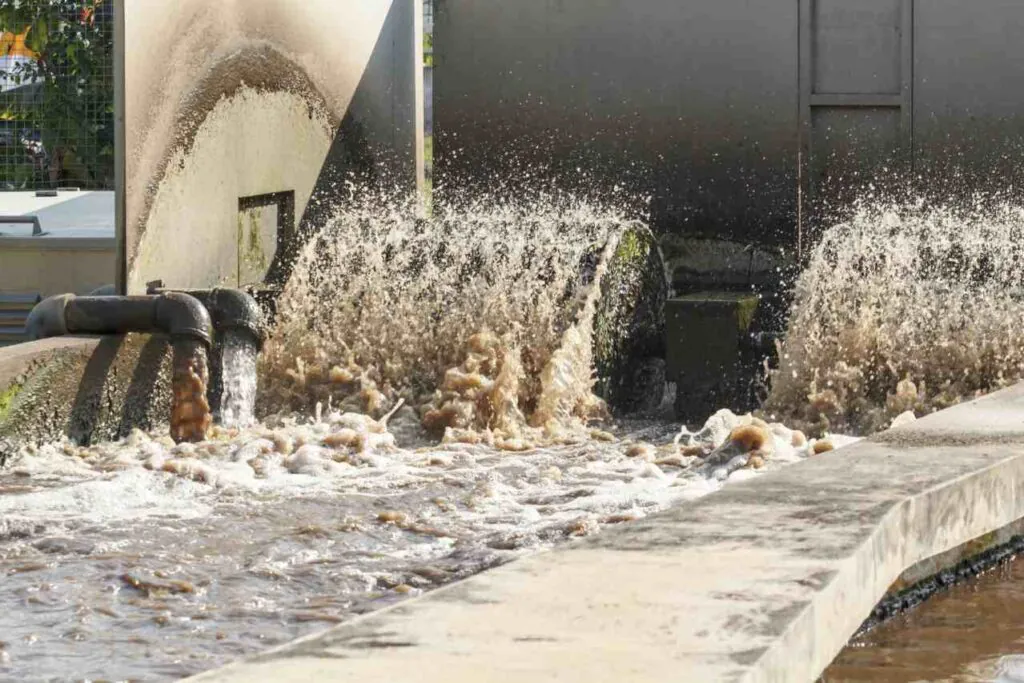
Wastewater from detergent, cosmetic, and daily chemical plants is among the most variable industrial effluents.
Typical Characteristics
- High surfactant concentration: Anionic, nonionic, amphoteric surfactants
- Severe foaming tendency: Disrupts biological systems
- High COD (5,000–15,000 mg/L): Poor biodegradability
- Strong fluctuations in flow & composition
This instability makes front-end chemical treatment mandatory.
chemical industry wastewater treatment chemicals
Why PAC Works Better Than Traditional Coagulants
Daily chemical wastewater contains emulsified oils and surfactants that alum struggles to destabilize.
PAC Advantages
- Strong charge neutralization under fluctuating pH
- Better destabilization of surfactant micelles
- Lower sludge volume
- Faster reaction kinetics
PAC forms dense Al(OH)₃ flocs that trap surfactants and emulsified oils effectively.
How PAC Removes Surfactants & COD
Key Mechanisms
- Micelle destabilization
PAC disrupts surfactant micelle structures. - Adsorption bridging
Organic chains bind to hydroxide flocs. - Sweep coagulation
COD-bearing colloids are removed together.
Typical performance:
- COD reduction: 40–60% (chemical stage)
- SS removal: >90%

Process Configurations Using PAC
PAC + Sedimentation
- Simple and robust
- Suitable for small-to-medium plants
PAC + DAF (Preferred)
- Handles foam-prone wastewater
- Faster separation
- Smaller footprint
Typical Dosage & Control
| Parameter | Range |
|---|---|
| PAC dosage | 0.2–0.4‰ |
| Optimal pH | 6.5–8.0 |
| COD drop | 11,000 → 2,500 mg/L (typical case) |
Procurement & Selection Tips
- Medium-to-high basicity PAC (≥55%)
- Fast dissolution liquid PAC preferred
- Low insoluble matter to avoid injector blockage
Conclusion
PAC provides chemical plants with a stable front-end solution that protects biological systems, lowers COD loading, and reduces total treatment cost.


