Skip to content
Calcium Hypochlorite, often called Cal Hypo, is one of the most commonly used disinfectants for swimming pools and water treatment systems. It is valued for its high available chlorine content and fast disinfection performance.
When used correctly, calcium hypochlorite can effectively control bacteria, algae, and organic contaminants. Proper handling and dosing are essential to achieve stable water quality while ensuring safety for users and operators.
This article explains how to use calcium hypochlorite safely and effectively, with a focus on swimming pool applications and practical operation guidelines.
What Is Calcium Hypochlorite?
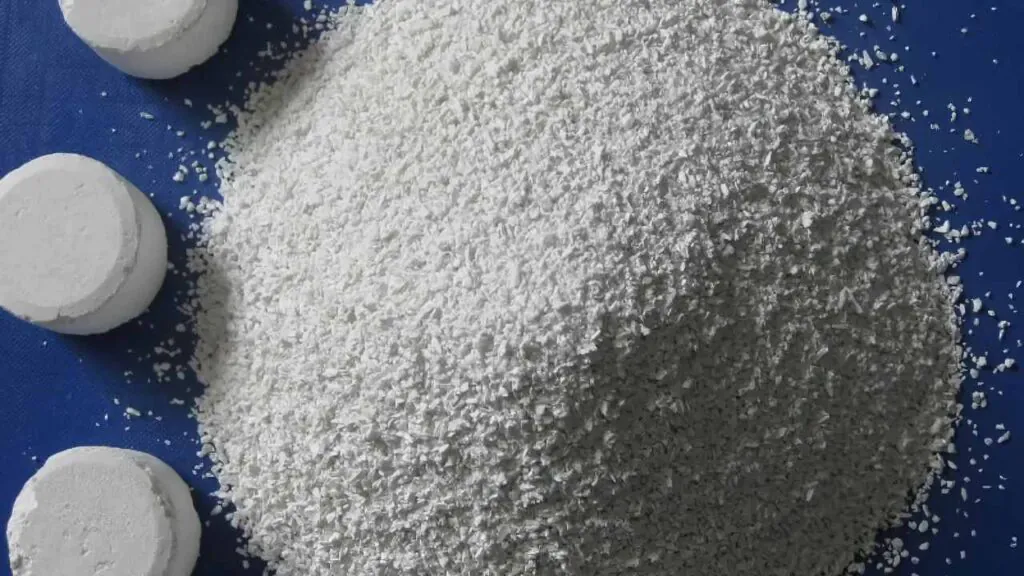
Calcium hypochlorite is a strong oxidizing agent with the chemical formula Ca(ClO)₂. It is typically supplied as granules, tablets, or powder, allowing flexible use in different water treatment scenarios.
It usually contains 65–70% available chlorine, making it more concentrated than liquid chlorine products. After dissolving in water, it releases hypochlorous acid, which destroys microorganisms and oxidizes organic pollutants.
Main Characteristics of Calcium Hypochlorite
- High chlorine content with rapid disinfection action
- Effective against bacteria, viruses, and algae
- Suitable for swimming pools and industrial water systems
- Available in granules, tablets, and powder forms
Applications of Calcium Hypochlorite in Swimming Pools
Calcium hypochlorite is widely used in pool maintenance due to its strong and reliable disinfection performance.
Daily Disinfection
- Maintains free chlorine at 1–3 ppm
- Prevents bacterial and viral growth
- Keeps pool water clear and odor-free
Shock (Superchlorination) Treatment
- Oxidizes organic contaminants such as sweat, oils, and debris
- Prevents algae outbreaks
- Recommended after heavy pool usage, rain, or visible algae
How to Use Calcium Hypochlorite in a Swimming Pool
Correct operation ensures both safety and effectiveness.
Step 1: Test Water Quality
Before adding calcium hypochlorite, measure:
- Free chlorine
- pH value (ideal range: 7.2–7.6)
- Total alkalinity (ideal range: 80–120 ppm)
Accurate testing helps avoid overdosing and chemical imbalance.
Step 2: Pre-dissolve the Product
Always dissolve calcium hypochlorite in a bucket of water before application.
Never add dry granules directly to the pool, as this may damage pool surfaces or cause bleaching.
Step 3: Add to the Pool
Slowly pour the clear solution evenly around the pool, preferably near return inlets.
Avoid adding near swimmers or delicate surfaces.
Step 4: Circulation and Retesting
Run the circulation pump to ensure even chlorine distribution.
Retest chlorine and pH levels and adjust if necessary.
Shock Treatment Guidelines
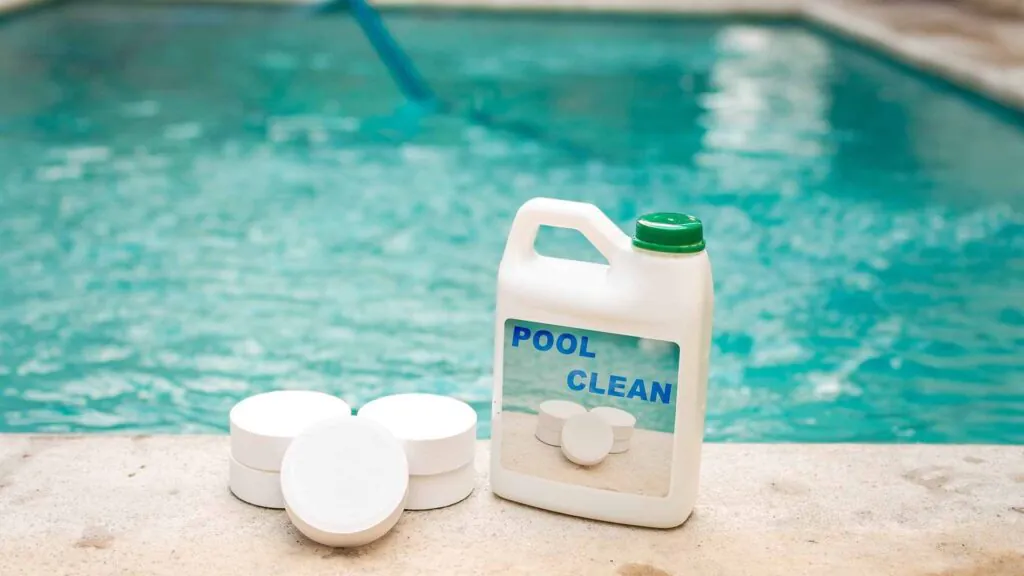
- Daily maintenance: 1–3 ppm free chlorine
- Shock treatment: 10–20 ppm free chlorine
Dosage depends on pool volume, contamination level, and product chlorine content.
Recommended Dosage of Calcium Hypochlorite
| Pool Volume | Purpose | 65% Cal Hypo Dosage | Notes |
|---|---|---|---|
| 10,000 L | Regular maintenance | 15–20 g | Maintains 1–3 ppm |
| 10,000 L | Shock treatment | 150–200 g | Raises to 10–20 ppm |
| 50,000 L | Regular maintenance | 75–100 g | Adjust by testing |
| 50,000 L | Shock / algae control | 750–1000 g | After heavy use |
Always calculate based on actual pool volume and chlorine strength.
Safety Tips for Using Calcium Hypochlorite
- Ensure good ventilation during handling
- Never mix with acids or other chemicals
- Do not swim until chlorine returns to safe levels
- Store in a cool, dry, and shaded location
- Keep away from organic materials and moisture
Proper staff training is recommended for commercial pools.
Industrial and Municipal Water Treatment Applications
Beyond swimming pools, calcium hypochlorite is also used in:
- Drinking water disinfection
- Wastewater treatment before discharge or reuse
- Cooling towers and industrial process water
Its stability and strong oxidation capacity make it suitable for large-scale disinfection systems.
Conclusion
Calcium hypochlorite is a powerful and reliable disinfectant when used correctly. Proper dosing, pre-dissolution, water testing, and safety precautions are essential for maintaining clean and safe swimming pool water.
By following correct operating practices, users can achieve effective disinfection, stable water quality, and safe swimming conditions while minimizing risks.