Skip to content
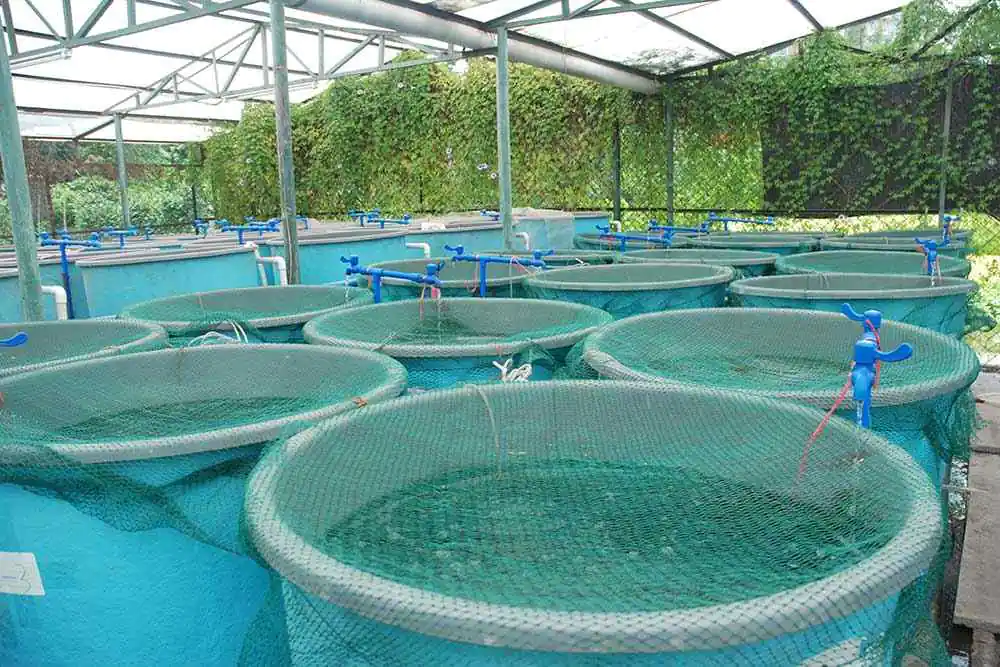
Aquaculture and fish farming depend heavily on stable water quality. Poor microbial control, excessive algae growth, and contaminated equipment can quickly lead to disease outbreaks, stress, and economic loss. For this reason, chlorine-based disinfectants are widely used, and calcium hypochlorite remains one of the most reliable options in aquaculture systems.
Calcium hypochlorite is valued for its high available chlorine content, fast disinfection action, and flexible application in ponds, tanks, and facilities.
What Is Calcium Hypochlorite?
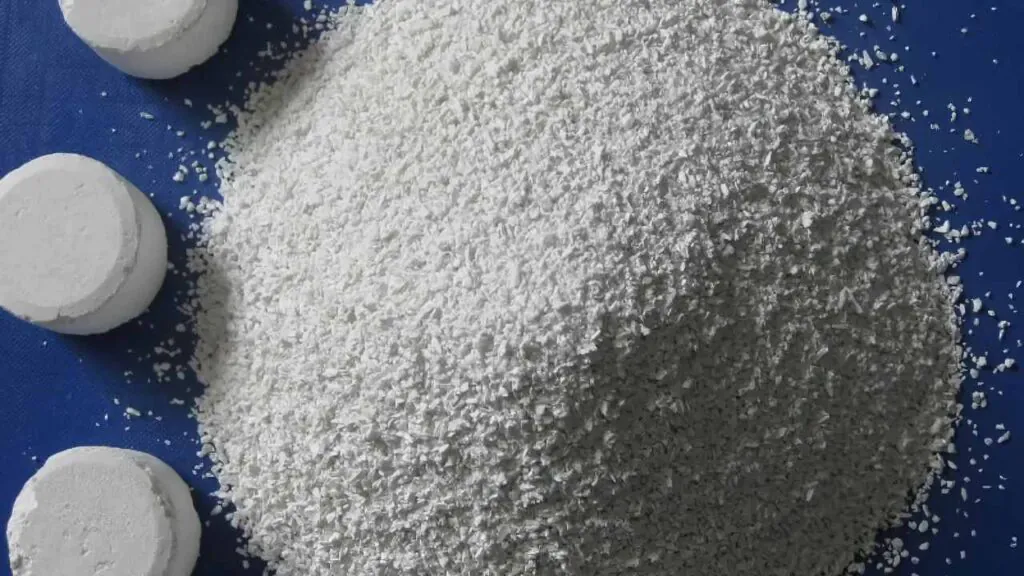
Calcium hypochlorite (Ca(ClO)₂), often referred to as Cal Hypo, is a solid chlorine disinfectant with an available chlorine content typically between 65% and 70%. When dissolved in water, it releases hypochlorous acid, which effectively inactivates bacteria, viruses, fungi, and algae.
Key characteristics include:
- Strong oxidizing and disinfecting ability
- High chlorine efficiency at low dosage
- Rapid dissolution and fast action
- Available in powder, granules, and tablets
These properties make calcium hypochlorite suitable for both routine and emergency disinfection in aquaculture.
Why Water Quality Control Is Critical in Aquaculture
Unstable water conditions directly affect fish health and productivity. Common problems caused by poor water quality include:
- Slower growth and reduced feed efficiency
- Increased disease susceptibility
- Algal blooms and oxygen depletion
- Higher mortality rates
Regular disinfection and algae control are essential to maintain a balanced aquatic environment. Calcium hypochlorite provides an effective method to manage these risks when applied correctly.
Main Applications of Calcium Hypochlorite in Aquaculture
1. Pond Disinfection Before Stocking
Before introducing fish or shrimp, ponds are disinfected to eliminate harmful microorganisms.
Typical procedure:
- Calculate pond volume
- Dissolve calcium hypochlorite to prepare a stock solution
- Evenly distribute across the pond surface
- Allow sufficient contact time (24–48 hours)
- Ensure residual chlorine drops below 0.5 ppm before stocking
This step helps control pathogens such as Aeromonas, Vibrio, and Streptococcus.
2. Disease Prevention During Production
Routine water disinfection reduces pathogen pressure throughout the farming cycle. Calcium hypochlorite is often applied after water exchange, heavy rainfall, or during periods of increased disease risk.
Controlled dosing minimizes antibiotic use and strengthens overall biosecurity.
3. Algae Control in Ponds and Tanks
Excess algae can cause oxygen fluctuations and stress aquatic species. Calcium hypochlorite is effective in suppressing algae growth when applied at low concentrations.
Best practices include:
- Applying during early morning or evening
- Avoiding overdosing
- Maintaining proper aeration
This helps stabilize dissolved oxygen and pH levels.
4. Equipment and Facility Sanitation
Calcium hypochlorite is also used to disinfect:
- Nets, containers, and aerators
- Pipelines, tanks, and filtration systems
- Storage and handling areas
A diluted solution (0.5%–1%) is commonly used, followed by thorough rinsing to prevent chlorine residue.
Dosage Reference for Aquaculture Applications
| Application | Typical Dosage | Notes |
|---|---|---|
| Pond disinfection | 50–100 mg/L | Before stocking; residual Cl <0.5 ppm |
| Algae control | 2–5 mg/L | Low-dose, repeat if needed |
| Equipment sanitation | 0.5–1% solution | Rinse after treatment |
| Emergency disease control | 2–5 mg/L | Short-term use, monitor stress |
Actual dosage should always be adjusted based on water quality, stocking density, and local conditions.
Safety and Handling Considerations
Calcium hypochlorite must be handled carefully:
- Store in a dry, cool, ventilated area
- Keep away from organic materials and acids
- Use protective gloves and eye protection
- Never mix with other chemicals
- Rinse equipment thoroughly after disinfection
Correct handling ensures both operator safety and aquatic health.
Summary
Calcium hypochlorite plays a vital role in aquaculture water management. It is widely used for pond disinfection, algae control, disease prevention, and facility sanitation. When applied at appropriate dosages and under proper safety conditions, it helps maintain stable water quality, improves fish health, and supports sustainable aquaculture operations.